THE CONVERSATION: Lymphatic walking explained: Does swinging your arms really detox your body?
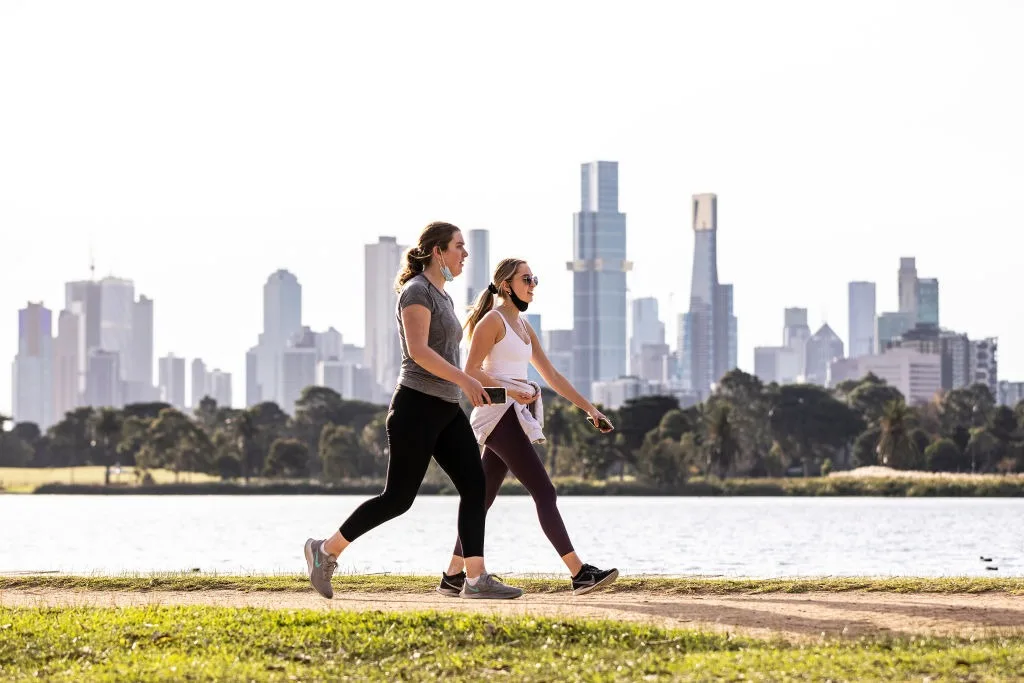
The lymphatic system relies on muscle pumps and breathing. Deliberate arm swings and deeper breaths during walks may help, but consistent movement matters more for lymphatic health.
Walking is having a wellness makeover on social media. The latest trend, “lymphatic walking”, involves swinging your arms more, maintaining an upright posture and taking deeper breaths while you walk.
These actions are said to help move lymph around the body. Its followers claim it can reduce bloating and improve circulation, support immune function, and even help “flush toxins” from the body.
There is some science behind the idea. Our muscles already help move lymph every time they contract and relax . But what does the lymphatic system actually do, and can a particular style of walking really change how it works?
The lymphatic system is a network of vessels, tissues and organs that works alongside the cardiovascular system. Fluid is constantly moving out of tiny blood vessels into the tissues around our cells, and the lymphatic system’s main job is collecting this excess fluid and protein and returning it to the circulation.
It also supports digestion by absorbing dietary fats and fat-soluble vitamins from the small intestine, while intestinal lymphatic vessels interact with the gut microbiome and immune system , helping to maintain intestinal health and regulate inflammation .
Beyond the gut, the lymphatic system plays an important role in immunity, transporting immune cells through lymphatic vessels and lymph nodes, where immune responses can be coordinated .
Unlike the cardiovascular system, though, the lymphatic system does not have one large central pump like the heart. Instead, lymph – a clear to straw-coloured, watery liquid – moves in several ways. Lymphatic vessels can contract on their own, but lymph flow is also driven by pressure changes from breathing and by the contraction and relaxation of surrounding skeletal muscles .
Our muscles act as pumps . As they contract, they compress blood and lymphatic vessels running through and around them. Combined with one-way valves inside these vessels, this helps move fluid forwards and, particularly in the lower limbs, upwards against gravity.
The calf muscles are probably the best-known example. Each time we take a step, muscles in the lower leg contract and relax, helping to push blood in the veins back towards the heart. This is why the calves are sometimes described as a “second heart”.
But this effect is not limited to the calves, or to walking. Exercise can support lymphatic flow through skeletal-muscle contraction. Deliberately using muscles throughout the arms, legs and trunk while moving therefore has a sound physiological basis.
Breathing plays a role too. The diaphragm is our main breathing muscle, and every breath changes pressure within the chest and abdomen .
5News aggregated this summary from the outlet’s public feed. The full article, with all the context, is on www.dailymaverick.co.za — the content belongs to Daily Maverick.