Violence is South Africa’s unofficial 13th language
South Africa has a 13th language, which saturates daily life and numbs society through its staggering brutality.
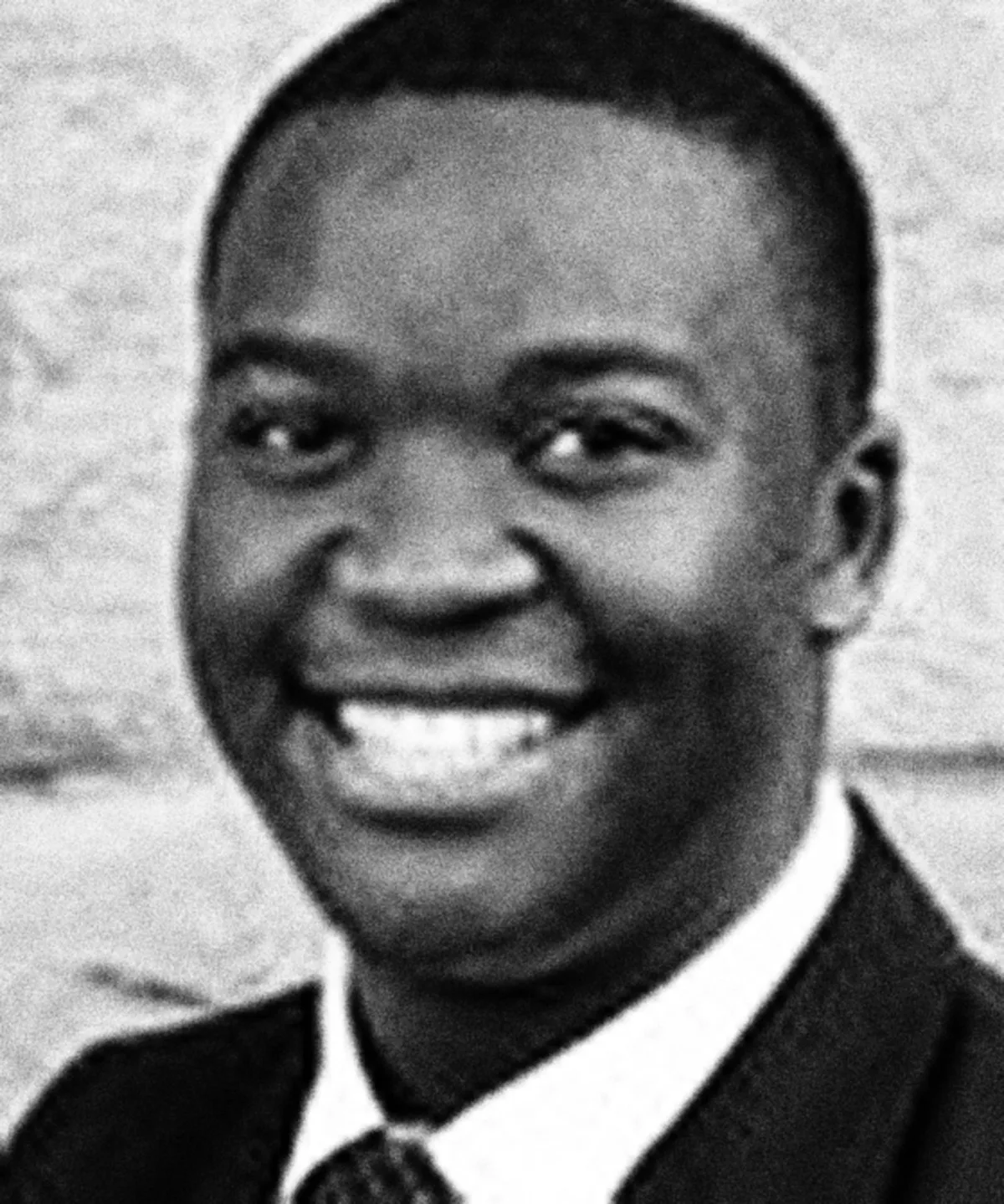
Kenneth Diole is the co-founder of YT Consulting Africa, a firm focused on youth and policy development in Africa.
Violence is South Africa’s unofficial 13th language. It is ubiquitous, woven deeply into the fabric of our daily lives. We speak it fluently in our homes, our schools and our streets. It dictates how intimate partners interact, how parents discipline children, how teachers engage pupils and how men and women coexist.
Our collective fluency has bred numbness; we barely notice the white noise until a crisis forces us to look. Once again, the brutal grammar of this language has been laid bare. As the nation mourns the tragic discovery of women’s bodies across the East Rand – including that of avid social runner Elizabeth “Tsontso” Moselakgomo, who never returned from her jog – we are forced to confront the deadly cost of our most widely spoken tongue.
According to the latest first-quarter crime statistics released by the South African Police Service, 5,427 people were murdered between April and June this year – an average of nearly 60 every single day. Viewed through a gendered lens, the trends are horrifying: 569 women were killed during this three-month window, meaning an average of six women are murdered daily. Another 1,052 survived attempted murders. The scourge of sexual violence is bleaker still; out of 9,201 reported rape cases, women and children were the victims in 8,814 of them.
These data points indicate a country that has normalised an abnormal situation. The language of violence has become so deeply embedded in our national psyche that we now require heightened security measures in the most mundane spaces of everyday life – from post offices and public parks, to the public roads where citizens simply go for a run.
Worryingly, a decay of common moral and social values is actively accelerating this crisis. We saw it this month when young people thoughtlessly threw water at non-consenting adults and escalated to violence when met with disapproval. We see it in institutional research from organisations like the Soul City Institute, which reveals that about 47.2% of all recorded rapes occur within domestic spaces – the very homes of the victims or perpetrators.
When your home, your commute, your public park and your exercise routes are hostile territory, a fundamental question emerges: where is it safe for a woman to simply exist without fear?
In light of these horrific circumstances, the leadership within the Presidency responsible for women, youth and persons with disabilities must move beyond empty condemnation. They must act with absolute urgency to galvanise resources for the security cluster, fund community-level prevention workshops and rigorously enforce policy implementations across all structures of governance. Furthermore, there is a fundamental need for men, starting at the highest echelons of government and corporate sectors, to speak in unison about our collective responsibility to create safe spaces.
This change begins with an uncomfortable acknowledgment from men.
5News aggregated this summary from the outlet’s public feed. The full article, with all the context, is on www.dailymaverick.co.za — the content belongs to Daily Maverick.