POLAR POLITICS: The krill crisis — why the Southern Ocean’s most critical species is under threat
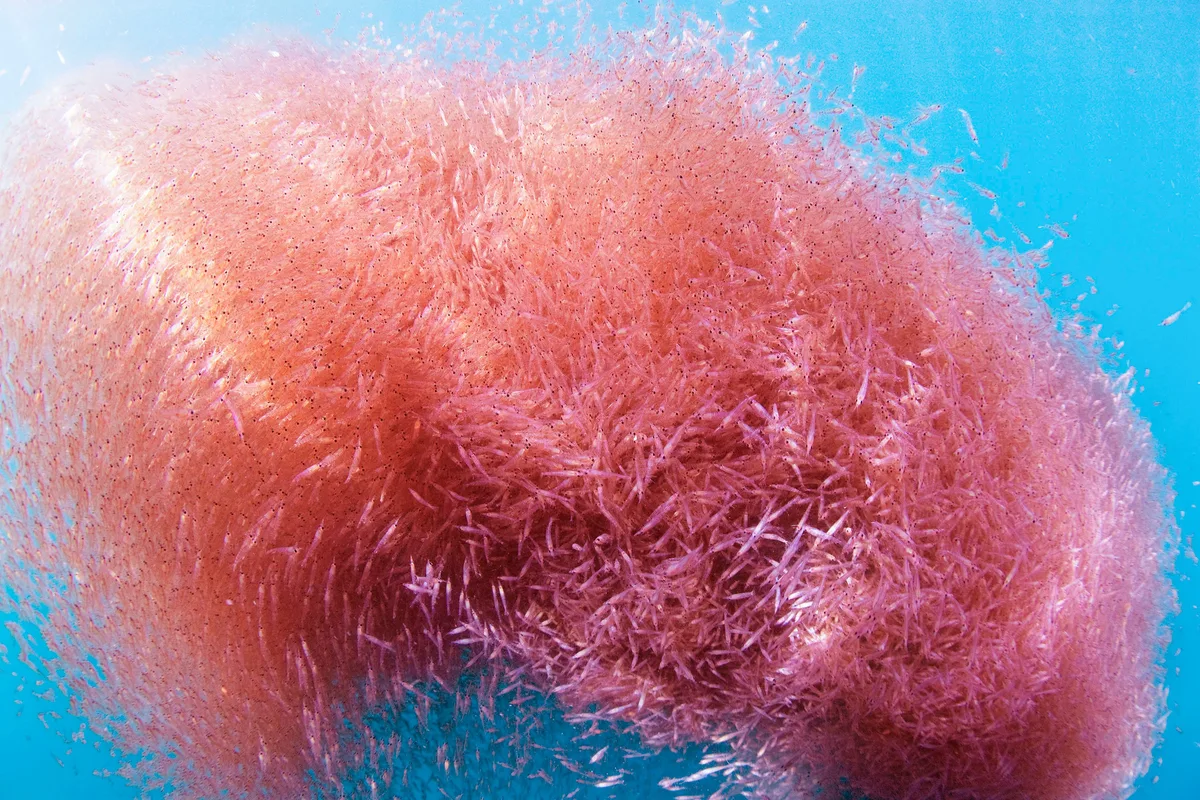
The Southern Ocean fishery hit its precautionary threshold on 12 August for a second consecutive year, forcing it to close more than three months before the season’s end. Celebrities and South Africa blasted the deadlock.
When spatial rules aimed at spreading catches across the harvesting grounds expired in late 2024, and China and Russia blocked their renewal, the krill hit the diplomatic fan.
After all, removing the allowed catch across a broad area over an entire season does not necessarily unleash the same stress as hoovering it up from a smaller number of biologically important, concentrated areas.
The krill industry, however, now appears to have developed the capacity to take the full allowance much faster than it once did. That is why, conservation groups and some scientists argue, fishing has become unacceptably strenuous in the very areas near the Antarctic Peninsula where predators also gather to feed.
So, what does 620,000 tons tell regulators about how much krill is too much?
Without krill, the Southern Ocean would be a far lonelier place, unable to support anything like its current abundance of penguins, seals, whales and other wildlife.
But much of the krill taken from Antarctic waters ultimately enters consumer supply chains through aquaculture feed, pet food and omega-3 supplements. Norwegian NGO WePlanet says the more than half-a-million tons demanded by those industries have about the same mass as the seasonal food needs of 850 Antarctic blue whales – the largest mammals in the observable universe.
Since there is still a lot of krill left in the waters roiling around Antarctica, this does not mean that the fishery has deprived 850 whales of food. Yet, the metaphor may convey the scale of the catch – particularly if, awkwardly, much of it comes from the same area.
Climate change complicates things down there. Marine biologist Sylvia Earle, a spokesperson for one NGO group, argues that warming waters and declining sea ice are already stressing krill and the region’s food web.
“The krill fishing industry is promoted as sustainable, but removing a foundation species from a fragile and rapidly changing ecosystem is not sustainable,” argued oceanographer Dr Sylvia Earle, convener of the activist group Antarctic Avengers .
The issue has become more pressing because the industry could be allowed to grow substantially.
At the 2025 meeting of the Commission for the Conservation of Antarctic Marine Living Resources, or CCAMLR, Norway unsuccessfully proposed nearly doubling the threshold to 1.2 million tons annually.
Norway’s position carries particular weight because of the scale of its industrial involvement; CCAMLR statistics say that the country took 63.8% of the total krill catch in the decade to 2024. China, the second most active krill state, took 18%; followed by South Korea at 10%.
Then there is the Marine Stewardship Council’s ongoing, if contentious, recertification of Aker QRILL’s operation in the Southern Ocean – the Antarctic and Southern Ocean Coalition (Asoc) and the WWF have lodged objections to this.
5News aggregated this summary from the outlet’s public feed. The full article, with all the context, is on www.dailymaverick.co.za — the content belongs to Daily Maverick.