CLOUDED ACCOUNTABILITY: Scopa meeting with NPA, Hawks, SIU lays bare criminal justice shortfalls
Parliament’s public spending watchdog, Scopa, struggled on Tuesday to get clear answers to why so many corruption and complex commercial crime cases ended without prosecution, as fragmented systems and significant staffing shortages further stifled accountability.
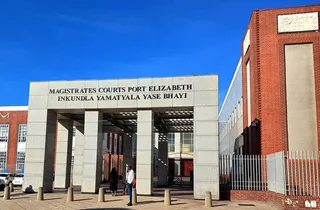
It all started when EFF MP Veronica Mente asked why it was decided not to prosecute 63 of the 84 Eastern Cape cases that the Special Investigating Unit (SIU) referred to the NPA. In prosecutorial lingo, that’s called nolle prosequi , a decision that effectively ends criminal prosecution.
“We can’t have 14 dockets Buffalo Metro nolle prosequi [out of 14 cases],” said Mente, also adding that it was problematic because people insisted they had been cleared because of the lack of prosecutions, even though the rot continued.
Mente was speaking in Parliament’s Standing Committee on Public Accounts (Scopa), on Tuesday, 18 August, as the National Prosecuting Authority and Hawks (the Directorate for Priority Crime Investigation) briefed MPs on cases referred to them by the Special Investigating Unit (SIU).
Further questions emerged over the 2013 funeral of Nelson Mandela, where the misuse of around R300-million included kickbacks to Eastern Cape government officials.
NPA boss Andy Mothibi knew arguing was pointless and told MPs that he’d do the extra work to come up with answers. “The docket will tell us what happened. We have to draw the dockets to find out what happened.”
As it turned out, that may not be necessary. After MPs were told how a prosecutor would note the decision not to prosecute in the docket, it later emerged that while prosecutors did not directly inform their bosses, an independent written record did exist.
As Eastern Cape director of public prosecutions Samkelo Mtwana said, “You don’t have to go to the docket; for all these matters there is a register.”
His Hawks Eastern Cape counterpart, Brigadier Mluleki Dyasi, told MPs the general reason for nolle prosequi was insufficient evidence, even if investigators had done what they could and completed the docket. Often, crime was reported late, witnesses were uncooperative, and it was difficult to get documents.
“You only get cases reported just before the elections… if that particular person or political party wins that election, you will not get any cooperation.”
The Eastern Cape was under the spotlight on Tuesday for its nolle prosequi decisions. But the difficulty is not confined to that province. Decisions not to prosecute also emerged across provinces, government departments and in connection with Covid-19 personal protective equipment (PPE), where scandals involving tens of millions of rands emerged during the lockdowns.
The presentation to MPs talked about the SIU referring 304 PPE matters to the NPA for criminal prosecutions, leading to 17 jail terms without the option of a fine, 22 jail terms with the option of a fine and 33 cases where fines totalling R2,652,000 were imposed.
The devil is in the detail. The 62-page presentation also shows how, in KwaZulu-Natal, 32 PPE cases were not prosecuted; in the Eastern Cape, 19, and 54 cases were not prosecuted in the Free State.
5News aggregated this summary from the outlet’s public feed. The full article, with all the context, is on www.dailymaverick.co.za — the content belongs to Daily Maverick.