MACABRE BUSINESS OP-ED: Shot, skinned and sold: South Africa’s enormous trade in wild primates
{JSON.stringify(article.attachments[0], null, 2)} --> There is an ethical failure embedded in the staggering numbers that sustain this vast, established market. We need to confront a moral question: what gave us the authority to turn living beings into commodities in the first place?
Government records reveal a substantial international trade in South Africa’s wild chacma baboons and vervet monkeys. Thousands of trophies and more than 1,000 skulls were authorised for export in just two years. Behind the statistics lies a largely unscrutinised system in which indigenous primates are converted into trophies, commercial products and international commodities.
An examination of the Department of Forestry, Fisheries and the Environment’s (DFFE) electronic export records for 2023 and 2024 reveals 1,867 chacma baboon trophy items and 1,279 vervet monkey trophies authorised for export. Alongside them were 681 chacma baboon skulls and 590 vervet skulls. Combined, that is 4,417 items in two years.
In only two years, South Africa authorised more than 3,100 chacma baboon and vervet monkey trophy items for international export.
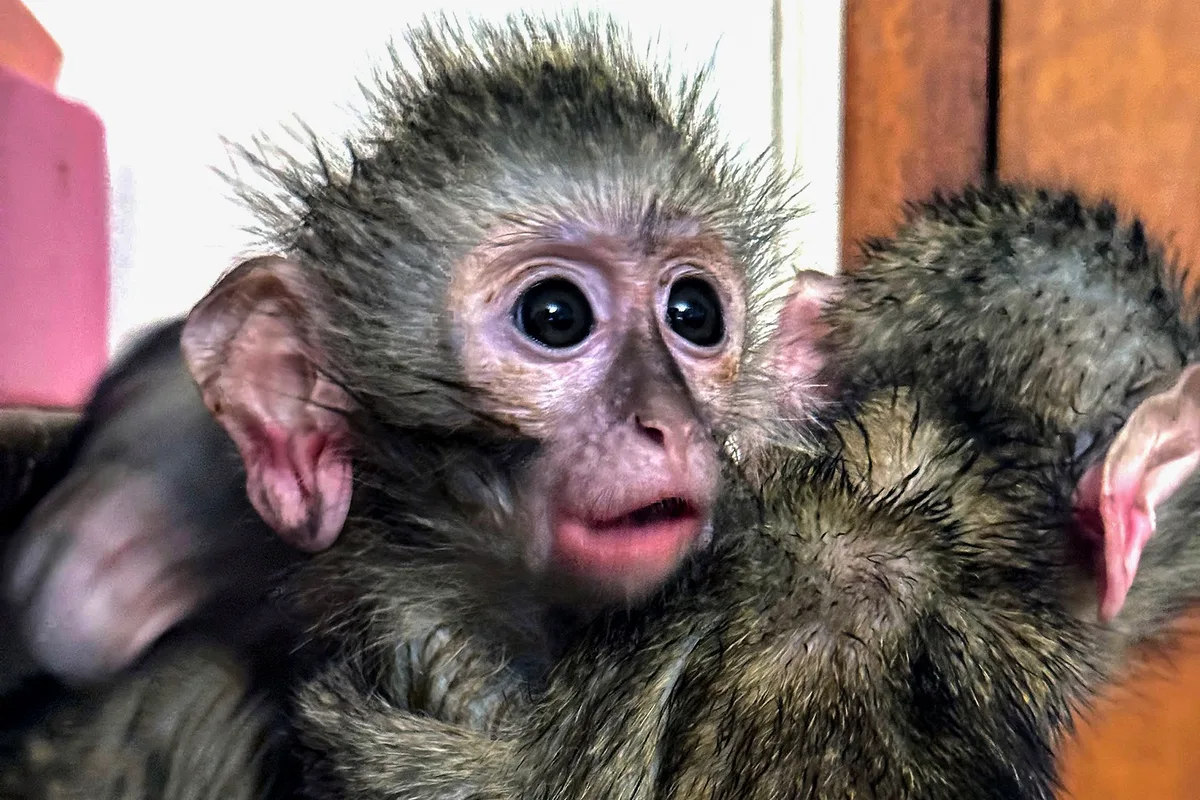
Baboons and vervets are cognitively sophisticated, emotionally responsive and intensely social animals. They live within complex communities, form long-term relationships, recognise individuals, learn from one another, maintain alliances and hierarchies, care for offspring and respond behaviourally to the loss of troop members.
The death of an individual is consequently not simply the subtraction of one interchangeable biological unit from a population. Trophy hunting nevertheless requires precisely this moral reduction. A living, experiencing animal becomes a target. Its death becomes a macabre achievement. Its body becomes evidence of that achievement and ultimately a possession.
The latest parliamentary records demonstrate that the trade has continued at considerable scale. Whatever arguments are advanced about the supposed conservation benefits of trophy hunting more generally, it is particularly difficult to identify a compelling conservation necessity for killing thousands of indigenous primates so that their bodies or body parts can be exported as relics.
That figures also reinforce an important policy context: the DFFE said in 2023 that it had no plans for a unified national policy governing the hunting of chacma baboons and vervet monkeys. That becomes rather more consequential when set beside the scale of the trophy hunting stats.
Yet trophy hunting is only part of it. The skull records reveal an additional alarming scale of death.
Of the 1,271 chacma and vervet skulls authorised for export during 2023 and 2024, at least 1,106 – about 87% – were recorded specifically for commercial purposes.
An individual hunter exporting the skull of an animal he has killed represents one transaction. An exporter shipping 50, 100 or 180 wild primate skulls for commercial purposes represents something quite different. It requires supply, aggregation, processing and a buyer capable of absorbing inventory.
The records contain 105 wild vervet skulls destined commercially for the US in one transaction. Another involves 99.
5News aggregated this summary from the outlet’s public feed. The full article, with all the context, is on www.dailymaverick.co.za — the content belongs to Daily Maverick.