OPINION | GBV prevention demands a collective investment
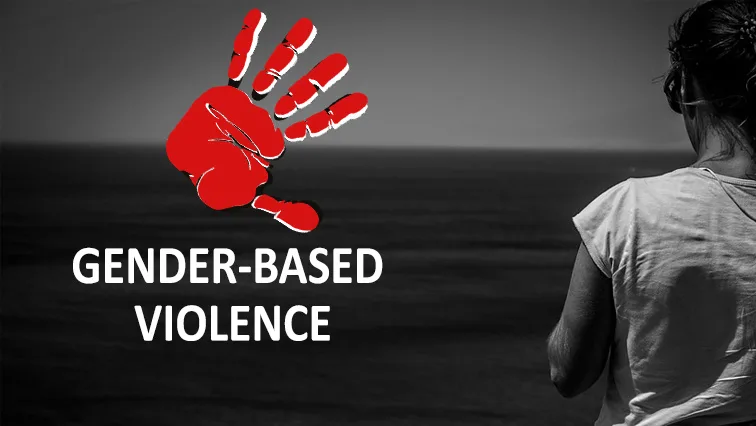
South Africa has built one of the continent’s strongest GBV response systems. The next step needs to be prevention, with business firmly and deliberately taking a defining role.
Statistics from the Human Sciences Research Council show the extent of South Africa’s gender-based violence and femicide (GBVF) crisis. One in three South African women have experienced physical and/or sexual violence in their lifetime. One in four have experienced emotional abuse, and more than half have experienced controlling behaviour. Over the past decade, South Africa has intensified its policy and societal response to GBVF through initiatives and programmes that have undoubtedly saved countless lives. These include the tireless work of civil society, the establishment of the first dedicated rape management centres called Thuthuzela Care Centres (TCCs) and more recently, the National Strategic Plan on GBVF.
The first Thuthuzela Care Centres were developed over two decades ago, following research into the experiences of sexual assault survivors and the challenges they faced when navigating the healthcare and criminal justice systems. This model was designed as a one-stop centre, bringing together health services, police, social development and justice services so survivors could access coordinated support rather than having to navigate these systems separately. The centres were established through partnerships involving government and external funders and are highlighted as a strong example of multi-sector collaboration, including joint public–private and donor investments in addressing GBV.
This collaboration is essential and effective, but the question remains: If we have improved our criminal justice response, why are we still seeing such high levels of violence? A key reason is that we have invested significantly in reactive systems and far less in preventing violence from happening in the first place.
The progress that government, donors, business and civil society have made in our response is laudable but has not shifted the societal structures that underpin GBVF. What is needed now is a similar, collaborative model that tackles prevention at a societal level. Prevention must address the broader social conditions and mindsets that contribute to GBVF rather than focusing only on incidents after they occur.
Employing millions of people means that businesses have the capacity to influence families, workplaces and communities. There is immense potential to use this influence and existing programmes to drive the shift in cultural and social norms. This is difficult work, but it is not impossible. This can include employee wellbeing initiatives such as mental health support for women, access to GBVF hotlines, engaging men on healthy relationships, encouraging positive, engaged fatherhood and in so doing, using the corporate environment to change the lived experiences of children and families otherwise exposed to violence. If we hope to break intergenerational cycles of violence, children need positive home environments.
5News aggregated this summary from the outlet’s public feed. The full article, with all the context, is on www.sabcnews.com — the content belongs to SABC News.