LEN won’t sell itself: 6 lessons from HIV prevention pills
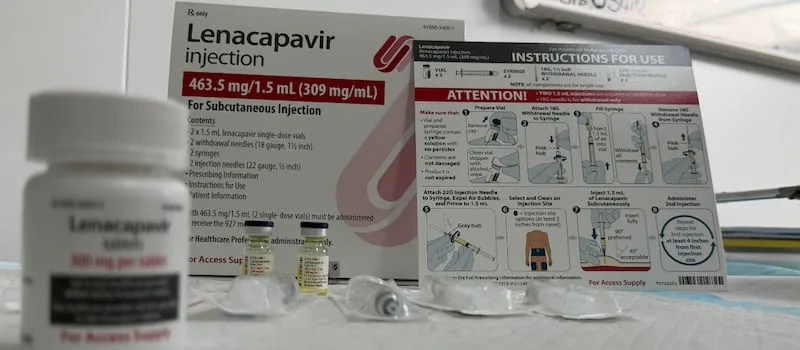
South Africa now has one of the most effective HIV prevention medicines , in the form of a twice-yearly injection, ever developed. But there’s a catch: people have to want it — and know where to get it.
Lenacapavir, or LEN, protects HIV-negative people against getting the virus for six months at a time and is almost 100% effective. South Africa started rolling it out at 360 government clinics in June, but next year, when generics become available the country will start rolling the medicine much more widely.
Analysis of Wits University’s Health Economics and Epidemiology Office, HE 2 RO, shows that if between onel and 2-million people take LEN each year between now and 2043, South Africa will be able to prevent enough new HIV infections to end Aids as a public health threat within the next 17 years.
We’ll have a lot of catching up to do from 2027 onwards, because we’re still far from reaching those numbers. By October 5, just over 71,000 people in the country had taken LEN, health department figures show.
But the experience of daily, equally effective HIV prevention pills, which the government started to roll out widely in 2020, should serve as a warning: an excellent medicine, even when it is free, does not necessarily sell itself.
By June, only 2.3-million people had ever taken the pill, according to health department data, despite almost all government clinics stocking it. According to the Thembisa model South Africa has around 40-million HIV-negative people aged 15 and older who could benefit from the pill, depending on their risk of getting HIV.
One important reason is remarkably simple: many people don’t know about the pills.
A 2022 national survey found that only a third of sexually active South Africans over 15 had ever heard of HIV prevention pills, also known as oral PrEP.
If South Africa wants large numbers of people who could benefit from LEN to use it, we need to deliberately create demand for the injection. That means making sure people know it exists, understand what it does and know where they can get it.
In 2022, the Gates Foundation funded several South African organisations to test different ways of providing HIV prevention pills to young people. The projects also evaluated ways of telling people about the medication, including community radio adverts, flyers, posters, social media, community outreach and peer education.
HE 2 RO evaluated the costs of these projects and interviewed 1,038 young people starting an HIV prevention medicine for the first time. We asked how they had first heard about it and what persuaded them to start using it.
The results offer six important lessons for South Africa’s LEN roll-out.
Almost half — 46% — of the people we interviewed said they first heard about HIV prevention medication through deliberate efforts — such as one-on-one or small-group conversations with a peer navigator or healthcare provider and social media posts — by the organisations running the projects, the government or healthcare providers.
Another 35% heard about it through friends, family or other people in their social circles.
5News aggregated this summary from the outlet’s public feed. The full article, with all the context, is on www.timeslive.co.za — the content belongs to TimesLIVE News.