South Africa’s AI neutrality has not yet been tested
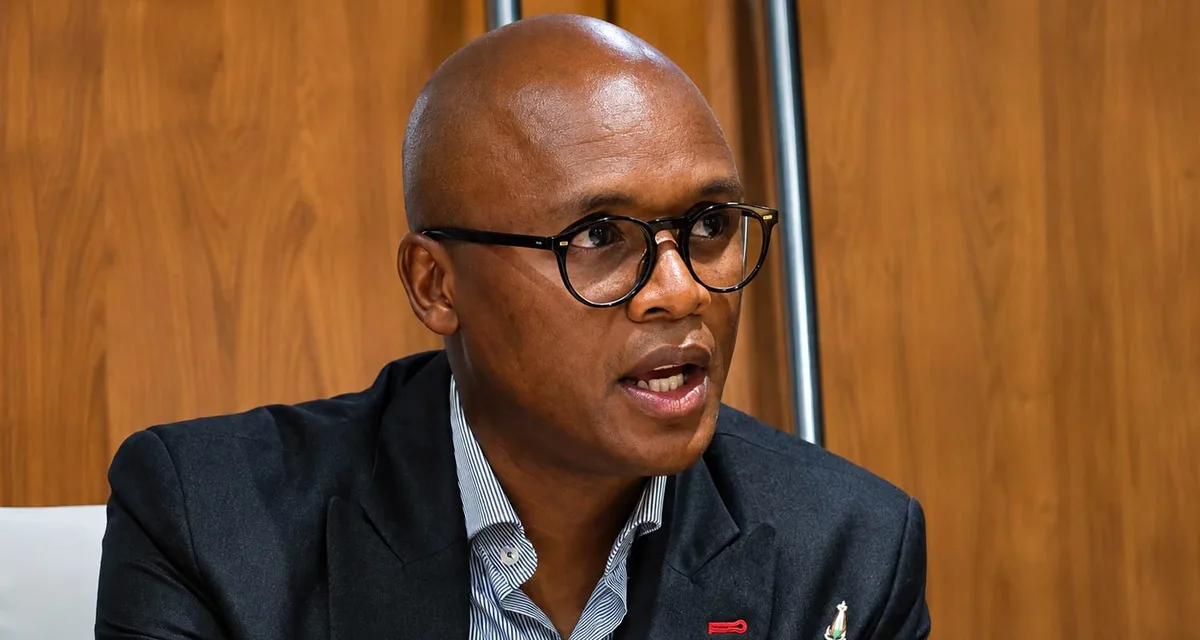
South Africa has not been asked to join Pax Silica, the American pact drawing the dividing line through the global AI supply chain, communications minister Solly Malatsi has indicated to TechCentral. Not one African country has signed it.
The Pax Silica Declaration is the US state department’s flagship effort on AI and supply-chain security. Signed in Washington on 12 December 2025, it now has 24 signatories after a second summit in June, alongside Taiwan as a “non-signatory participant”. They span AI-critical chip makers, mineral producers and capital markets, among them Japan, the EU, the UK, Germany, India, the UAE and Israel.
“If the 20th century ran on oil and steel, the 21st century runs on compute and the minerals that feed it,” says US undersecretary of state for economic growth, energy & the environment Jacob Helberg on the Pax Silica website. The declaration, he says, ensures aligned partners build tomorrow’s AI ecosystem, from energy and critical minerals through to high-end manufacturing and models.
Responding to questions from TechCentral, Malatsi would not confirm any approach to Pretoria. “Should we be approached to consider joining any multi-lateral declaration or collaboration we will consider the request on its merits and through the correct diplomatic processes,” he said.
Asked which department leads the government’s position and whether Pax Silica had been discussed at cabinet level, he stayed conditional: “Should we be approached, we will consider the request and its delegations at the appropriate level.”
The pact could carry weight despite its non-binding text. It ties together the three inputs the AI build-out is short of: semiconductors, energy and critical-minerals refining. In March, the US state department said it intends, working with congress, to allocate US$250-million for a fund aimed at critical-minerals extraction and processing.
That should concern Pretoria. According to the US Geological Survey , South Africa mines roughly 70% of the world’s platinum and about 38% of its manganese , yet sits outside the arrangement steering where the investment, licensing and offtake tied to those minerals will flow.
Malatsi is unmoved. Investment by global technology companies and South Africa’s existing partnerships, he said, “exhibits confidence in our current strategies” of neutrality and weighing multilateral arrangements on their merits.
Pressed on how neutrality protects access to advanced chips if that access runs through trusted-partner and export-licensing arrangements South Africa is not party to, he is equally firm. “Neutrality allows us to approach all considerations free from geopolitical barriers,” he said, adding that government would keep seeking to preserve access to the best available technology.
A leaked draft US state department letter warns the 35 countries that signed a separate American declaration, the Joint Statement on AI Opportunity, against also joining Beijing’s rival bloc.
“To be part of everything is to be part of nothing,” the US declaration reads.
5News aggregated this summary from the outlet’s public feed. The full article, with all the context, is on techcentral.co.za — the content belongs to TechCentral.