A deadly silence — SA’s failure to protect whistleblowers and human rights defenders
As killings of whistleblowers and activists go unpunished, South Africa's delayed legislative reforms expose a fatal lack of political will to protect those exposing corruption.
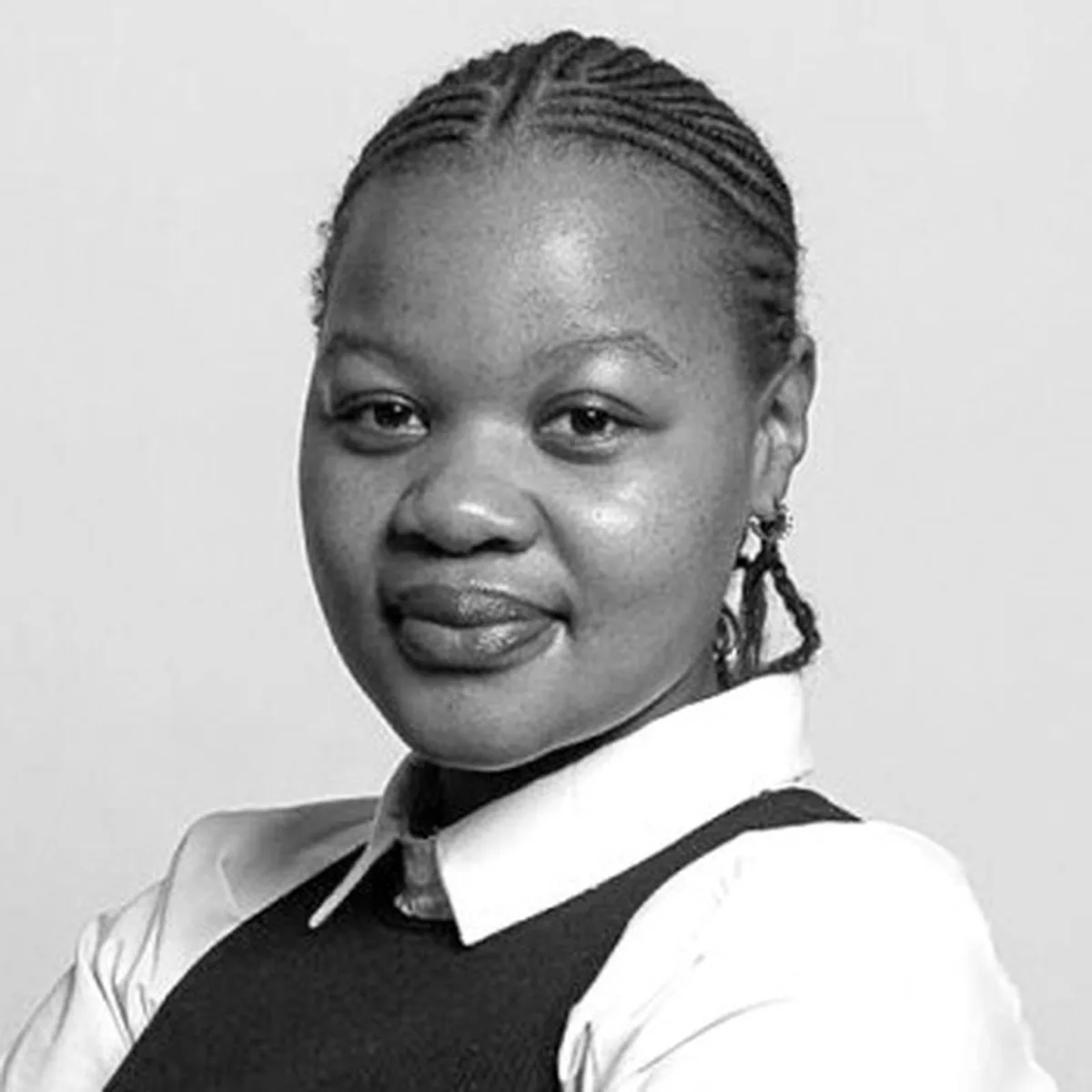
Lalelisile Mncwabe is the media and communications intern at Amnesty International South Africa.
Speak up and lose your life. That is the risk faced by whistleblowers and human rights defenders in South Africa.
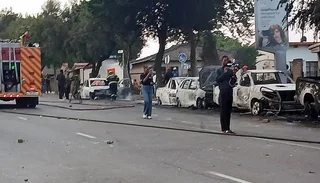
Five years have passed since Babita Deokaran was killed outside her home in Johannesburg. While the hitmen who carried out her killing have been convicted and sentenced to between six and 22 years in prison, those who ordered it remain free.
Deokaran’s death in August 2021 sparked public debate over the protection of whistleblowers in South Africa, and in its 2022 report, the Zondo Commission of Inquiry into State Capture recommended that whistleblower legislation be strengthened.
Yet little has changed. In 2023, the Department of Justice issued a discussion document proposing reforms for South Africa’s whistleblower protection regime. Despite submissions from organisations like Amnesty International South Africa hoping for urgent reform, it took three years for the draft Protected Disclosures Bill to be released for public comment in April 2026. From here, the Bill faces parliamentary debate, approval by both houses, and presidential sign-off – a timeline with no clear end in sight.
Deokaran’s story is not an anomaly. It is part of a documented pattern of intimidation and lethal violence against those who expose corruption and defend human rights in South Africa:
Sindiso Magaqa was shot in 2017 after raising questions about corruption in the uMzimkhulu Local Municipality in KwaZulu-Natal and died from his injuries.
Forensic investigator Cloete Murray and his son Thomas Murray were killed during an ambush on the N1 in Johannesburg in March 2023. At the time they were working on liquidations connected to State Capture cases.
Mpho Mafole, an Ekurhuleni official who raised concerns about a R1.8-billion chemical toilets tender, was killed in 2025 after being followed for hours.
Martha Mani Rantsofu, an accountant at the Emfuleni Local Municipality, was shot and killed outside a tyre shop in Vanderbijlpark in March 2026.
These are not isolated tragedies. They are part of a recurring pattern, one that demands urgent institutional action and accountability.
So how do we ensure this happens? The starting point is a strengthened legislative and policy framework
Clear terminology is essential for an adequate policy response. A whistleblower is a person who discloses wrongdoing, corruption, fraud, or abuse of power, often in an organisation where they work. While South Africa has an existing legal framework , there are still significant limits and shortfalls in the practical implementation of mechanisms, as exposed in the Zondo Commission .
5News aggregated this summary from the outlet’s public feed. The full article, with all the context, is on www.dailymaverick.co.za — the content belongs to Daily Maverick.