Your iPhone is about to get a massive upgrade
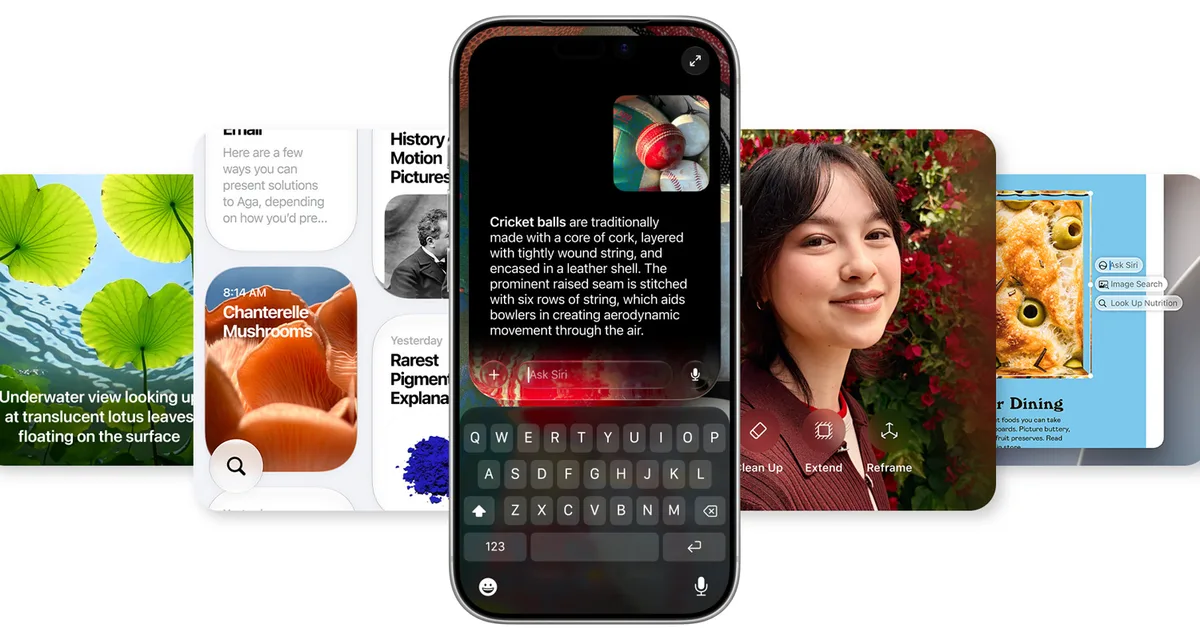
Siri has always been good at timers, alarms, phone calls and switching on the lights. But ask it anything that requires holding two facts together and iPhone users have spent the past three years opting instead for ChatGPT, Gemini or Claude.
Apple has been promising a smarter Siri since 2024. It ran advertisements for features that did not exist, pulled them, and admitted the work would take longer than it thought. Fifteen months later and many false starts, that Siri is finally due on iPhones next month, alongside new models, including Apple’s first folding phone.
Apple introduced Siri AI at its developer conference on 8 June, describing an entirely new version of the assistant built on Apple Intelligence with three additions: personal context understanding, broad world knowledge and on-screen awareness. A series of developer betas have been released since then, the sixth arriving on 17 August .
As a conversational assistant, Siri AI does what its rivals have done for years:
None of that would be worth much on its own. After all, OpenAI, Google and Anthropic got there first and their models are better known. What Apple has that those companies do not is the phone in your hand.
That is the difference between an assistant and a chatbot. ChatGPT does not know what is in your inbox. Siri AI, with the user’s permission, does – and Apple says the index it searches resides on the device rather than on a server.
The second half is action. Apple has extended App Intents, the framework through which an app declares what it contains and what it can do. Content published that way becomes discoverable in Spotlight’s semantic index, so Siri can find it. Capabilities published that way become operations Siri can invoke, so Siri can carry them out. On-screen awareness covers whatever is currently displayed.
In practice, that collapses a familiar sequence – where you find the app, open it, navigate the menus, locate the item, perform the action – into a spoken sentence.
Third-party apps only participate if their developers do the work. Apple has said that personal context understanding extends to other apps when developers integrate with Spotlight. But until banking apps, travel tools and productivity software adopt App Intents properly, the experience will likely feel patchy.
Siri AI runs on the next generation of Apple Foundation Models, smaller ones on the device and larger ones on Apple servers through Private Cloud Compute. Apple says personal data handled by Private Cloud Compute is neither stored nor made accessible to the company, and that outside experts can verify this.
Apple has not abandoned its own models. It has, however, been candid about where the help came from. Its developer announcement states that the next generation of Apple Foundation Models was custom-built in collaboration with Google and its Gemini models.
5News aggregated this summary from the outlet’s public feed. The full article, with all the context, is on techcentral.co.za — the content belongs to TechCentral.