NEWS ANALYSIS | Ramokgopa’s electricity pricing reset tests government resolve
South Africa’s draft electricity pricing policy (EPP) has been welcomed as a necessary step towards a more modern electricity market, but industry participants say the real test will be whether the government can turn familiar policy principles into enforceable changes on the ground.
The draft revised EPP, published for public comment on Friday, updates the framework adopted in 2008 to reflect a sector that has changed significantly, with the emergence of private power generation, distributed generation, electricity trading and wheeling, and the restructuring of Eskom.
However, much of what the draft seeks to achieve is not new. Principles such as cost-reflective tariffs, greater tariff transparency, cost allocation, protection of vulnerable consumers and longer-term electricity price visibility were already contained in the policy from 18 years ago.
The difference, independent electricity pricing specialist Deon Conradie said, is that the market has moved on while implementation of the previous framework has lagged.
Conradie, who has years of experience in the sector, described the draft as largely a modernisation of the previous policy and an attempt to align pricing with the structural changes now taking place in the electricity industry.
“The [2008] policy was not implemented. There was no accountability for implementing that,” Conradie said.
The significance of the revised policy, he said, therefore lies less in the introduction of entirely new pricing principles and more in providing a clearer framework for an electricity market that is no longer dominated by a vertically integrated Eskom.
The [2008] policy was not implemented. There was no accountability for implementing that.
The new market involves IPPs, traders, distributed generators, the National Transmission Co South Africa and municipalities, all of which need to operate within a coherent pricing framework.
Ferroalloys Producers Association chair Nellis Bester welcomed the direction of the draft but said its impact would depend on how it fits with other reforms, particularly the development of the wholesale electricity market and changes to Eskom’s structure.
“You cannot look at the EPP in isolation,” Bester said, arguing that the different reforms need to work together to provide businesses with greater visibility over future electricity costs.
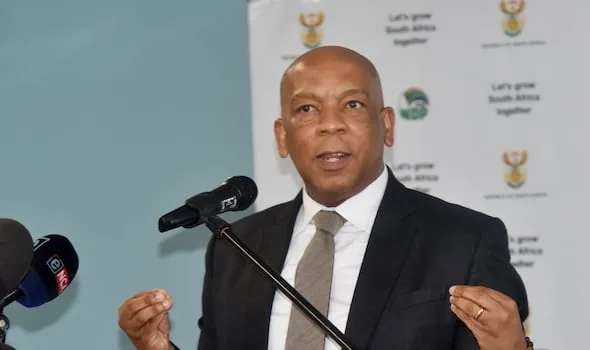
Electricity minister Kgosientsho Ramokgopa said the revised policy was needed to ensure pricing kept pace with these changes.
But the implementation challenge is the biggest question hanging over the draft.
Conradie agreed with Ramokgopa’s assessment that the national energy regulator ( Nersa) had not had the capacity to implement the previous framework. Ramokgopa said the regulator needed to be better equipped for its expanded role, including having the right leadership and suitably qualified people in the appropriate positions.
5News aggregated this summary from the outlet’s public feed. The full article, with all the context, is on www.businesslive.co.za — the content belongs to Business Day.