BOOK EXCERPT: ‘No time for tears’ on Robben Island: When Lilian Ngoyi visited Madiba in prison
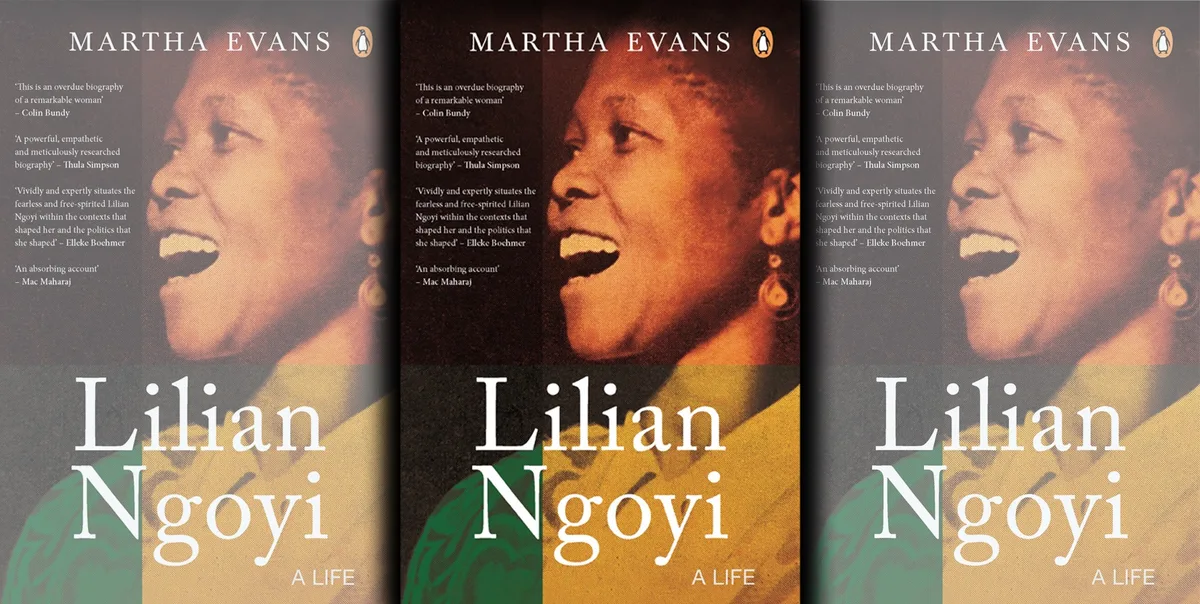
Martha Evans’s biography of anti-apartheid activist Lilian Ngoyi, one of the leaders of the 1956 Women’s March, is published to coincide with the 70th anniversary of the march. This excerpt details her visit with Nelson Mandela on Robben Island in 1973.
The date for her Robben Island visit was set for 25 August 1973. Ngoyi said that she had felt apprehensive and “diffident” about seeing Mandela, but that after hearing a biblical parable read out in church, a change had come over her. The sermon recounted the story of Jonah, who is commanded by God to go to the city of Nineveh to preach against its wickedness. Ngoyi appears to have drawn strength from this story, casting her visit in mythic terms.
At this stage, Mandela, as a political prisoner in a maximum-security prison, was very much restricted in terms of visitors. Apart from the International Committee of the Red Cross, legal counsel and family members, by the mid-1970s only a handful of individuals had been permitted to visit him on the island. Opposition MP Helen Suzman and Judge Jan Steyn used their political privileges to visit prisoners on several occasions, and, to everyone’s surprise, the state granted permission for British Labour Party politician Denis Healey to visit in 1970. In addition, the conservative Australian journalist David McNicoll was allowed access in 1973, most likely in the hope that he would report favourably on prison conditions.
Given that none of Mandela’s former comrades ever secured approval to visit, it is curious that Ngoyi’s request was granted. It seems probable that the state saw the meeting as an opportunity to surveil their interaction. All prison visits were closely monitored and strictly controlled; political discussion was forbidden and parties were granted very little privacy. Despite this, for Mandela, the visit, and anticipation of the visit, must have provided a welcome break from the routine of prison life. “A visit to a prison has a significance difficult to put into words,” he wrote in a letter to a friend in 1987. These were the “unforgettable occasions when that frustrating monotony is broken and the entire world is literally ushered into the cell”. It had been a decade since he had last seen Ngoyi and the impending encounter was no doubt a highlight in his calendar.
Lilian arrived at Jetty 1, Quay 6, of Cape Town’s industrial docks around midday on Saturday, in time for the daily ferry across to Robben Island. A white prison official appeared and asked: “Where are your papers?” She handed them to him as requested and paid the fifty-cent fee for the ferry ride.
The official instructed Ngoyi to write down her name and address in a big black book. After a short while, another five visitors (all African) arrived and were ordered to do the same.
“All right, come,” the official said. He led the passengers over the boarding gangway to the ferry. Once they were seated, he handed them paper bags in case of sea sickness. The cold Atlantic sea was notoriously choppy, especially so in winter, and the vessel, a traditional single-hull passenger ferry, was slow. It took over thirty minutes to travel the four and a half miles across the bay.
5News aggregated this summary from the outlet’s public feed. The full article, with all the context, is on www.dailymaverick.co.za — the content belongs to Daily Maverick.