Facebook, Instagram often fail to moderate homophobic hate speech in Zimbabwe
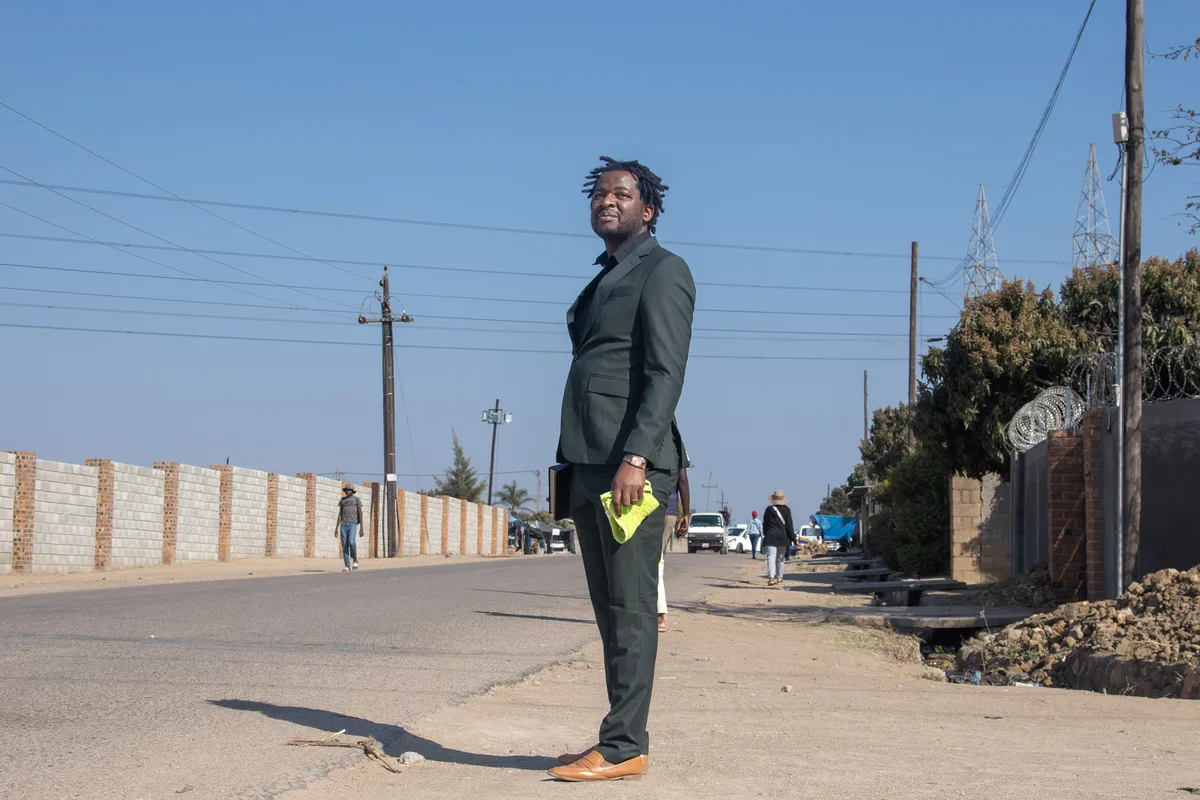
In 2022, Ronald Madongwe, an openly queer Zimbabwean pastor preaching for acceptance of the LGBTQI+ community in a country where homosexuality is outlawed, stumbled across a picture of himself on Facebook alongside a post appearing to call for his murder. The post appeared under the Facebook account of Alphonsus Makanga, a digital creator with about 5,000 followers.
Madongwe was shocked, but not unused to abuse and threats online. He reported the post to Meta’s Reporting Abuse function. Four years later the post still remains publicly visible on Facebook.
Madongwe leads God Adores You, a church-based organisation that works with LGBTQI+ Christians and seeks to challenge religious interpretations commonly used in Zimbabwe to justify discrimination against queer people.
He says online abuse, of the type he was subjected to by Makanga’s post, can easily spill into the real world.
“This harassment from online can result in loss of life, being arrested and being bullied, and not having peace even when you go around because people know you. It kind of mobilises people against the work that I do or against myself,” said Madongwe in a recent interview.
The failure of Meta’s online moderation systems to remove Makanga’s post points to a wider concern that gay Zimbabweans have with homophobic and abusive content circulated on platforms such as Facebook and Instagram.
This reporter reviewed 11 cases of homophobic content posted on Meta’s platforms by users in Zimbabwe. In each of these cases, complaints were filed through Meta’s Reporting Abuse function. Five complaints were filed directly by the reporter during the course of this investigation. Six other complaints had previously been filed by other people, who shared their experiences.
In each of these cases Meta confirmed receipt of the complaints. In response to nine of the 11 complaints, Meta issued an automated response which said that the reported content had been reviewed. Meta’s response added that it had declined to remove it, because Facebook’s automated review had determined the content did not violate the platform’s Community Standards.
While acknowledging the material “may be offensive or hurtful”, the company said it “only take[s] down content that goes against our standards” and invited the user to request a further review if they believed the decision was a mistake.
The posts and comments reported included death threats, doxing of gay individuals, calls for violence, AI-generated videos of assault and homophobic slurs in Shona and Ndebele. Based on Meta’s published Community Standards , all of those categories would likely fall within content that is prohibited or, at minimum, subject to enforcement.
Tinashe Kurapa is a fashion designer based in Harare. Despite living and working in a country where being openly queer carries significant social and legal risk, he has still sought to build his career and brand in public view. He relies on social media to display his collections and connect with a client base. For Kurapa, Facebook and Instagram are essential business tools.
5News aggregated this summary from the outlet’s public feed. The full article, with all the context, is on www.timeslive.co.za — the content belongs to TimesLIVE News.