THE CONVERSATION: Five hidden pitfalls of fitness tracking
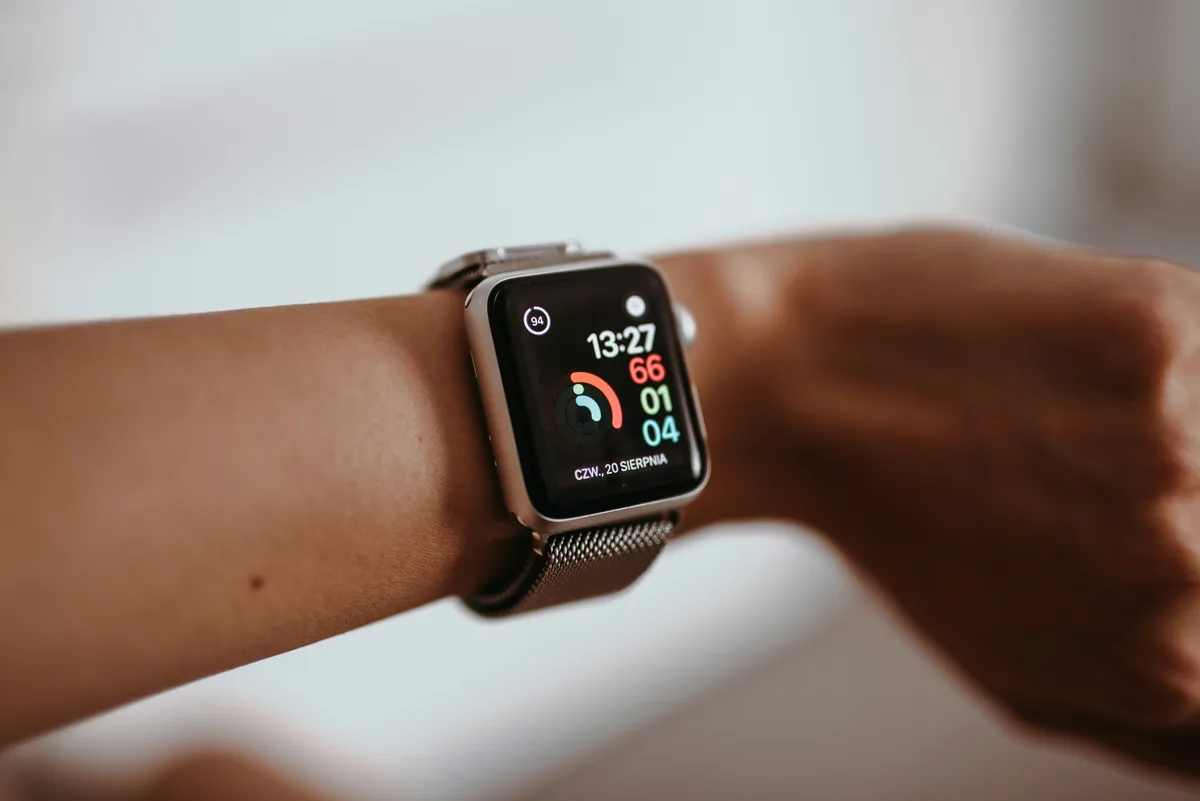
Fitness trackers can help – but these five hidden pitfalls can harm health and exercise habits.
Fitness trackers promise to help users become fitter, happier and healthier versions of themselves. For many people, they can be useful: a nudge to move more, a way to notice patterns, or a reminder that activity does not have to happen in a gym.
But self-tracking devices do more than record behaviour. Through prompts, defaults, streaks, badges and automated feedback, they also shape it. There is good evidence that tracking can help some people become more active. But there are also growing reports of anxiety , shame and disordered eating among people who track closely.
This raises questions about how common these harms are and why they happen, which is what I have spent the past decade researching. Here are five reasons tracking can become harmful.
The 10,000-step target comes from a marketing slogan for a 1960s Japanese pedometer, and has no firm scientific basis as a universal target. Researchers continue to debate the ideal number, with some pointing to around 7,000 as a more realistic and beneficial target for many adults. Yet 10,000 steps remains widely treated as a badge of good health .
The trouble is that a single target cannot fit everyone. It can also distort what people think activity is worth. A tracker may misread wrist movement, or fail to capture cycling, swimming or strength training properly because these do not look like stepping.
This means trackers often privilege what they can easily count. Steps are visible, while strength work, mobility, Pilates, rehabilitation and recovery can appear less important, even though they may be exactly what someone needs. This can give users a skewed sense of what counts as worthwhile movement.
The hardest part of becoming active is making it a habit that lasts. Chasing a target can work against that if it turns movement into a chore rather than something enjoyable. The point becomes closing a ring instead of noticing what your body can do.
Research suggests that repeatedly failing to meet goals can lead people to abandon both the device and the habits they were trying to build. Enjoyment helps habits stick, while external metrics can erode the internal motivation to move.
So the next time you head out, try leaving the numbers alone. Take a friend, put on a podcast, or call your mum. When you feel satisfied, go home. The activity still counts, and over time it may help you reach your goals without making the numbers the only measure of success.
Many devices still make “more” feel like the default measure of success. The prompts are persistent, the summaries often feel like gentle reproaches, and the clearest currency is usually steps.
What this often misses is ability, skill and context. Do you know how much exercise you need? What kind of movement might cause injury? Can you interpret your own VO2 max data? These competencies are often taken for granted, but many people have never had the chance to build them.
Our research shows that people are most vulnerable to harm when they are left to manage with assumptions already made for them.
5News aggregated this summary from the outlet’s public feed. The full article, with all the context, is on www.dailymaverick.co.za — the content belongs to Daily Maverick.