GROUNDUP: Tulbagh factory closure threatens thousands of jobs, way of life
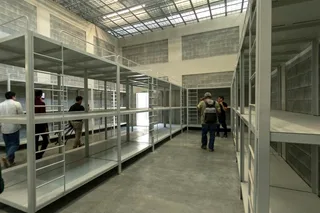
{JSON.stringify(article.attachments[0], null, 2)} --> Tulbagh’s fruit canning factory closure threatens thousands of jobs and an economy built around generations of seasonal work. Workers, farmers and local businesses fear the loss of the plant could unravel the town’s wider way of life.
For more than 70 years, life in the small Western Cape town of Tulbagh has centred on the fruit canning factory. The rhythm of the fruit seasons determined when people worked and earned, when shops were busy, and what food families could put on the table. Now the factory is facing closure, threatening not only thousands of jobs but a way of life that generations of people in the valley have built around it.
The factory has been a major source of work since it was established in 1954 for generations of workers. Some are from Tulbagh and nearby towns like Gouda, Wolseley and Saron; some who travel from the Eastern Cape, following the seasons for apricots, peaches, pears and guavas.
According to Cosatu, the factory employs more than 3,500 people. Very few are permanent: most are seasonal or work on fixed-term contracts that are renewed.
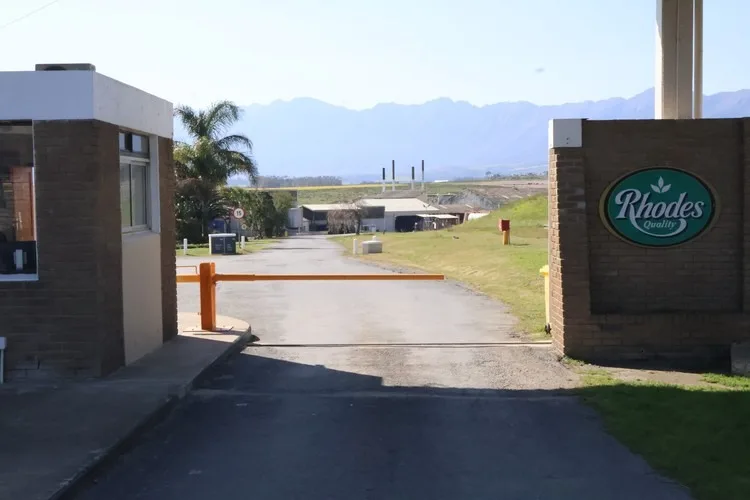
Premier Group bought the plant from Rhodes Food Group in March, only to announce soon afterwards – just months before the main season starts in November – that it would be closed.
In a statement earlier this month, Premier said the business was no longer sustainable. About 90% of the factory’s production was exported, it said, “making the operation highly dependent on global demand and international competitiveness. Demand has declined sharply, year on year.”
Premier said it recognised that this was “a deeply difficult and uncertain time for affected employees”, many of whom had given years of service to the factory. “The company understands the impact that this process may have on employees, their families and the broader Tulbagh community, and is committed to managing the process with care, respect and transparency.”
The decision has created uncertainty far beyond the factory gates. Factory workers fear the loss of their livelihoods; some have already lost them. About 2,000 farm workers’ jobs are also at risk. Producers are appealing for time and scrambling for solutions before the coming season. Community organisers are already dealing with increased demands for food and other basics. Local businesses, taxi operators and informal traders are concerned about revenue that is heavily dependent on factory workers. And young people who have traditionally relied on the factory for their first jobs are wondering where they will go.
Siya Ndzongana, a shop steward at the Agricultural Food and Allied Democratic Workers’ Union (Afadwu), has worked at the factory since 2010. His wife works there; his older brothers worked there, and before them his father worked there. As a schoolboy living in the Eastern Cape, Ndzongana would travel to Tulbagh during the school holidays to work during the main fruit season, which runs from November to April or May.
“In the middle of November we would finish exams and come for holidays to work in the factory.
5News aggregated this summary from the outlet’s public feed. The full article, with all the context, is on www.dailymaverick.co.za — the content belongs to Daily Maverick.