Uganda’s sugarcane boom leaves families hungry: what needs to change

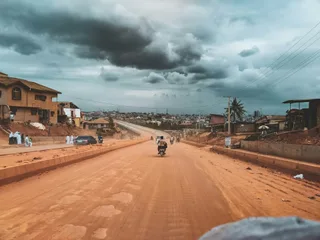
Busoga, in eastern Uganda, is a low, fertile plateau surrounded on three sides by Lake Victoria , the River Nile and Lake Kyoga .
Most of its 4.3 million people farm small, rain-fed plots.
Yet hunger is common: in the 2024 census, about a third of Busoga households reported going whole days without food.
Sugarcane has been grown commercially here since the 1920s , when one family established a large sugar processing facility.
New investors followed after the government stopped setting sugar prices and opened the industry to the private sector in 1991.
Read more: South Africa’s small sugar farms are producing less than they could: study finds ways to boost them Seven mills now operate in and around the Busoga region, with the amount of sugar cane planted tripling in size between 2000 and 2024 .
Tens of thousands of families also grow cane on their own land as “outgrowers”, selling this on contracts to the sugar mills.
I spent over 20 years working in Uganda’s civil service before becoming an academic.
For my doctoral research , I set out to understand why decades of sugarcane growth had not reduced hunger in Busoga.
I visited two parts of Busoga – the Jinja and Buyende districts – and interviewed 27 officials, local leaders and farmer representatives.
I also asked four groups of farmers for their views.
I asked who decides how land is used, who signs contracts, who receives the money, and how households eat while waiting for the harvest.
My research found that the hunger in Busoga isn’t caused by farmers not growing enough sugarcane to sell.
The prices of sugarcane are dropping , but my research found that the main problem is that sugar mills mainly sign contracts with men.
5News aggregated this summary from the outlet’s public feed. The full article, with all the context, is on theconversation.com — the content belongs to The Conversation Africa.