Dear Mbokodo: We did not march so women could carry the nation
This imagined letter places a composite speaker inside the thirty-minute silence of 9 August 1956. It draws on the events of the Women’s March and the demands articulated by the Federation of South African Women.
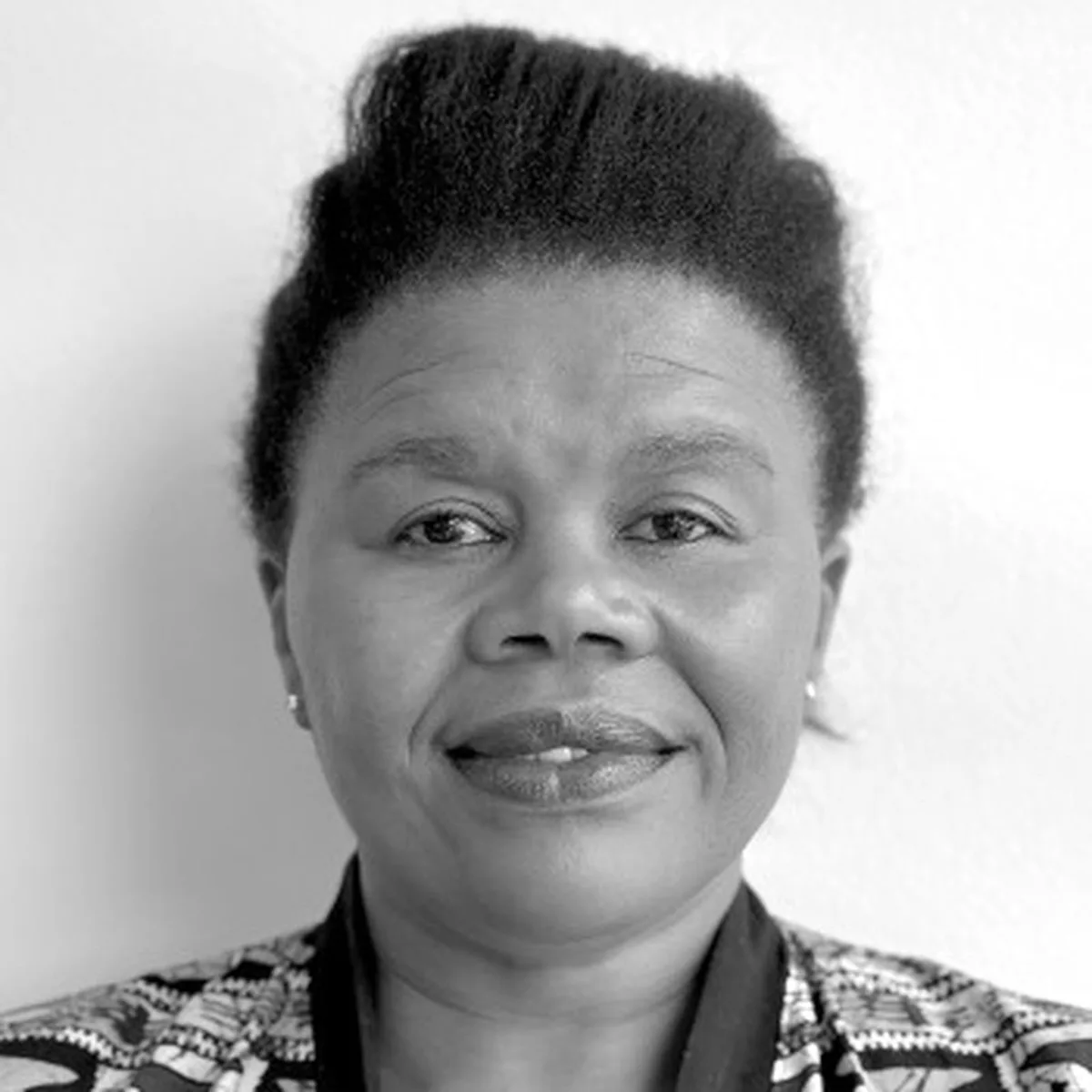
Sipho Mthathi is a writer and social justice activist with more than 23 years of experience shaping civil society work locally and internationally.
Something of your voice has reached me. Not the words. Seventy years carry only its shape, but enough to know you are arguing, and that some of the argument is with us.
We are on his steps. About 20,000 of us, they will say when they count us later, have come up this hill in our best clothes. This is something you should understand about us before anything else: we dressed.
Some are wearing the green, black and gold. Some have come in traditional dress. The Indian women are in white saris. There are babies on backs, and domestic workers have brought the children they look after. Women travelled through the night and arrived in twos and threes because even the form of our gathering is regulated.
The prime minister has refused to meet us. None of his senior officials has come in his place. So we place the bundles of signed petitions outside his office door. Our names are there, and beside them the marks of women who could not write their names. Women have crossed a country to speak to power, and power has answered with an empty room.
For 30 minutes, thousands of women stand without speaking. No minister instructs us. No magistrate tells us when to begin or when to stop. One of our own decides what we will do with our bodies and our time.
This letter comes from inside those 30 minutes. In the silence, you can hear what power says when it refuses to speak.
They had already begun issuing them to women in Winburg. A photograph. A thumbprint. Entries concerning work and permission. A document through which the state could decide who might live in a town, who might seek work there, who might remain with her family and who could be arrested for failing to produce it on demand.
It made the state’s question portable. You carried the demand to explain yourself in your own pocket. At any moment, a man in uniform could say produce, and you had to stop, put down what you were carrying and account for your presence.
That is the part I cannot get past. Not only the prison or the fine. The stopping.
We wanted something for our daughters that sounded small only because freedom is often made to sound small: to move across their own country without having to explain where they were going.
Two years before this march, women from across the country gathered to write a Women’s Charter. We demanded the vote and the right to hold public office. We demanded opportunities for work and equal pay; equality in marriage, property and the guardianship of children; maternity care, clinics, crèches, decent homes, water, electricity, transport and sanitation. We demanded the removal of laws restricting movement and political organisation.
We knew that freedom could not be divided into convenient pieces. A woman could not be free in the voting queue and powerless in her marriage.
5News aggregated this summary from the outlet’s public feed. The full article, with all the context, is on www.dailymaverick.co.za — the content belongs to Daily Maverick.