ANDILE TSHONA| When fake news becomes a threat to social security
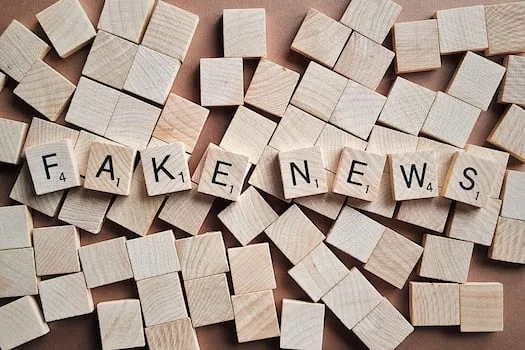
What happens when a fabricated Facebook post looks so official that an elderly beneficiary believes it, a person with a disability panics, or a parent rushes to a Sassa office because they fear losing the grant that keeps food on the table?
These are not merely questions about social media. They are questions about social security, public trust and human vulnerability.
Every day, Sassa confronts a growing information problem: fake news, misinformation, disinformation, impersonation accounts and fabricated announcements about social grants. Sassa has previously warned that false information creates “panic”, “false hope” and stress among beneficiaries.
Misinformation is often described as false information shared without an intention to deceive, while disinformation involves deliberate deception. In practical terms, someone who innocently forwards a false grant announcement may be spreading misinformation. Someone who deliberately manufactures that announcement to deceive beneficiaries, obtain personal information, generate traffic or undermine trust is peddling disinformation.
A fabricated message saying that there will be a “double payment” can create expectations that cannot be fulfilled. A false announcement about a new grant can encourage people to disclose personal information or click on malicious links.
And once anxiety takes hold, correcting the lie becomes much harder. This is precisely why social security cannot afford to treat misinformation and disinformation as a minor communications nuisance.
For millions of South Africans, the monthly grant contributes to household food, transport, school expenses, electricity, medication and other basic needs. When false information threatens confidence in that system, the damage goes beyond reputational harm to an institution. It reaches directly into people’s homes.
And perhaps the most uncomfortable question is: Who benefits when vulnerable people are deliberately confused?
There are several possible answers: scammers seeking personal information; individuals seeking attention and online engagement; people pursuing political or commercial agendas; and those who simply want to undermine public institutions.
The intention may differ, but the consequence is often the same: confusion, anxiety and declining trust.
In 2025, for example, Sassa had to publicly reject false reports about a “double grant payment” and other fabricated announcements. It urged beneficiaries to rely on official platforms before sharing information.
This tells us something important: fake news about social grants is not always just fake news. Sometimes it is the first step towards fraud. That is why the fight against misinformation and disinformation must involve everyone.
Before forwarding a message, ask: Who published this? Is the source official? Where is the original announcement? Does it appear on Sassa’s verified platforms? Does the information contain suspicious links? Is the message asking for an ID number, banking details, PIN or other personal information? The safest rule is simple: Stop. Check. Verify.
5News aggregated this summary from the outlet’s public feed. The full article, with all the context, is on www.sowetanlive.co.za — the content belongs to Sowetan.