MUNICIPAL DYSFUNCTION: NMB emergency and service vehicles immobilised by yet another fuel crisis
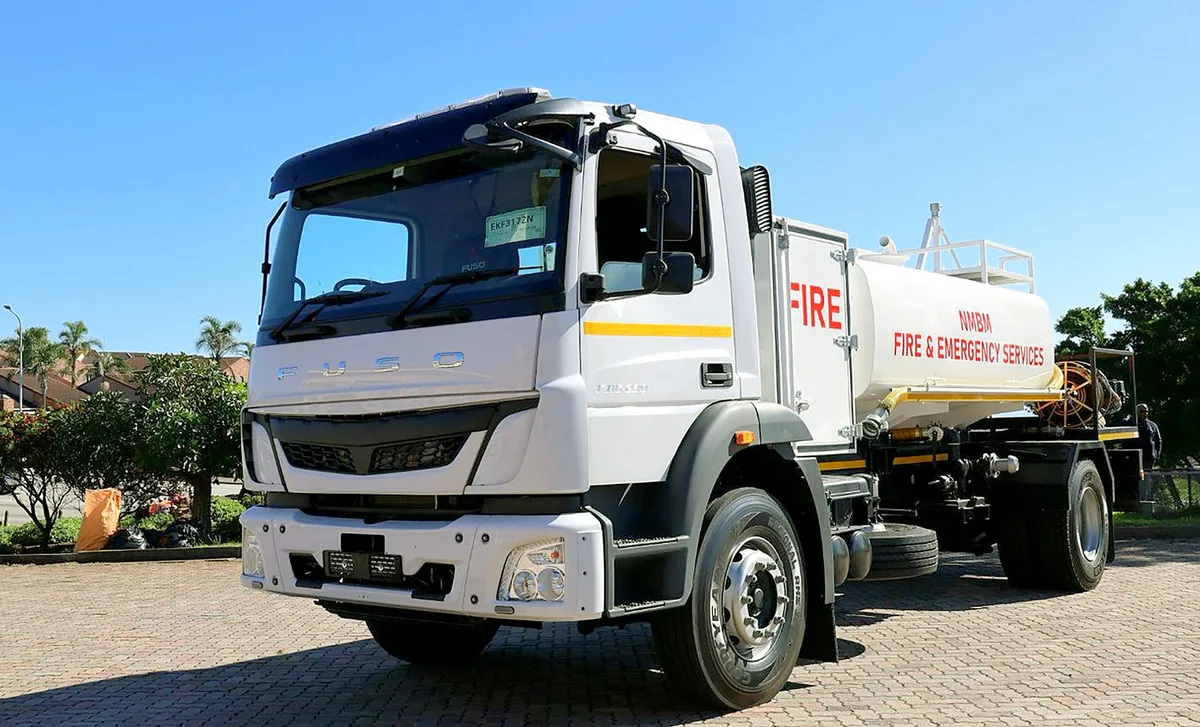
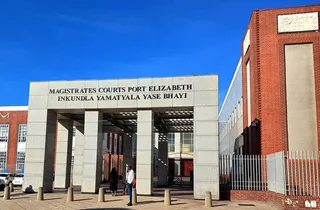
Nelson Mandela Bay’s recurring fuel problems are raising fresh questions about procurement failures and the municipality’s ability to keep essential services running.
For at least 24 hours earlier this month, critical Nelson Mandela Bay municipal vehicles were unable to refuel, in what appears to be the metro’s third fuel-supply disruption since May.
The latest incident occurred on 5 August, when some vehicles needed to attend to service-delivery problems, including power outages, were reportedly unable to refuel.
At a council meeting the following day, Ward 40 DA councillor Jason Grobbelaar sought answers about the delays and was told the municipality did not have a fuel contract or another arrangement in place to ensure its fleet could refuel.
Grobbelaar then filed an urgent motion demanding answers over the grounded vehicles, but withdrew it before debate after fuel supplies were restored.
It is understood that the metro’s fuel-supply arrangement had lapsed because of tax-compliance problems involving the supplier.
The municipality said the latest disruption has been resolved, with a new six-month fuel-supply contract in place from 6 August 2026 to 5 February 2027.
However, the incident raises fresh questions about the metro’s procurement processes and its ability to keep essential services running, particularly after previous fuel-supply problems and warnings about the expiry of its contract.
The city’s fuel contract expired on 30 April. In May, after the first fuel supply disruption , the metro said it would use interim procurement measures “to maintain continuity of operations”.
However, when questions were sent to the municipality, municipal spokesperson Sithembiso Soyaya on 11 August said he was “not aware” of any fuel-supply shortage or disruption affecting municipal operations.
He confirmed that the municipality now has a six-month fuel-supply contract, and said a longer-term procurement process was under way and had reached the Bid Specification Committee stage.
“The six months will give enough time for the formal supply chain processes to be concluded,” he said.
Soyaya denied that the expired fuel agreement had affected municipal operations, claiming the city was unaware of any service delays or directorate disruptions caused by a fuel shortage. However, this statement contrasts sharply with conditions on the ground.
Grobbelaar maintained that the disruptions on 5 and 6 August were entirely avoidable, warning that “these incidents directly impact service delivery and the municipality’s ability to respond to both service-delivery needs and emergencies”.
5News aggregated this summary from the outlet’s public feed. The full article, with all the context, is on www.dailymaverick.co.za — the content belongs to Daily Maverick.