Ramokgopa promises more transparent electricity bills under new policy
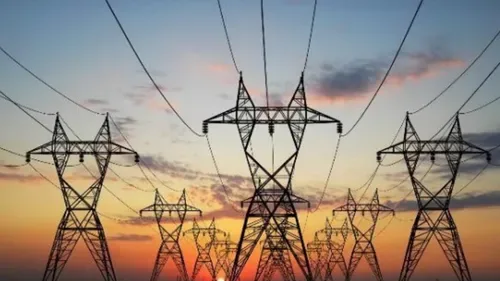
Electricity and Energy Minister Kgosientsho Ramokgopa has unveiled a revised electricity pricing policy aimed at making consumer bills more transparent and tackling so-called hidden costs.
Electricity consumers could soon have greater transparency over what they pay for power under a revised electricity pricing policy unveiled by Electricity and Energy Minister Kgosientsho Ramokgopa on Tuesday.
Ramokgopa said the policy seeks to address affordability and ensure consumers are not unfairly burdened by costs arising from inefficiencies, municipal debt and non-payment.
The minister said the revised policy would introduce a more transparent and cost-reflective electricity tariff structure, with electricity bills required to clearly show how charges are calculated.
“What we're also doing with the pricing policies is to provide a framework for transparent and efficient cost-reflective tariffs,” Ramokgopa said.
He said the aim was to ensure consumers could see exactly what they were paying for, rather than being subjected to undisclosed costs.
Under the proposed system, electricity bills would be unbundled to show individual components of the tariff, including energy and generation costs, transmission and distribution network charges, ancillary services and municipal surcharges.
Ramokgopa said this would allow consumers to understand how electricity costs accumulated before reaching their final bill.
“It must be able to itemise how the municipality or Eskom has arrived at that which they say you owe the municipality or you owe Eskom,” he said.
Electricity and Energy Minister Kgosientsho Ramokgopa says the revised pricing policy will prevent compliant consumers from carrying the cost of unpaid electricity debt.
The minister also took aim at the practice of passing the cost of non-payment and municipal debt on to consumers who consistently pay their electricity bills.
He said the current tariff structure allows Eskom to recover some municipal debt through electricity tariffs, effectively placing additional pressure on compliant consumers.
“You are not allowed to punish those who are paying on account of those who are not paying,” Ramokgopa said.
According to the minister, between 1 and 2.5 percentage points of the current tariff can be attributed to Eskom being unable to recover money owed through municipalities.
5News aggregated this summary from the outlet’s public feed. The full article, with all the context, is on iol.co.za — the content belongs to IOL.