Trump threatens sanctions on Iran’s trading partners but holds back
President Donald Trump’s administration on Monday announced a possible expansion of sanctions on countries doing business with Iran as part of what it billed as an “economic D-Day” but stopped short of actually imposing penalties.
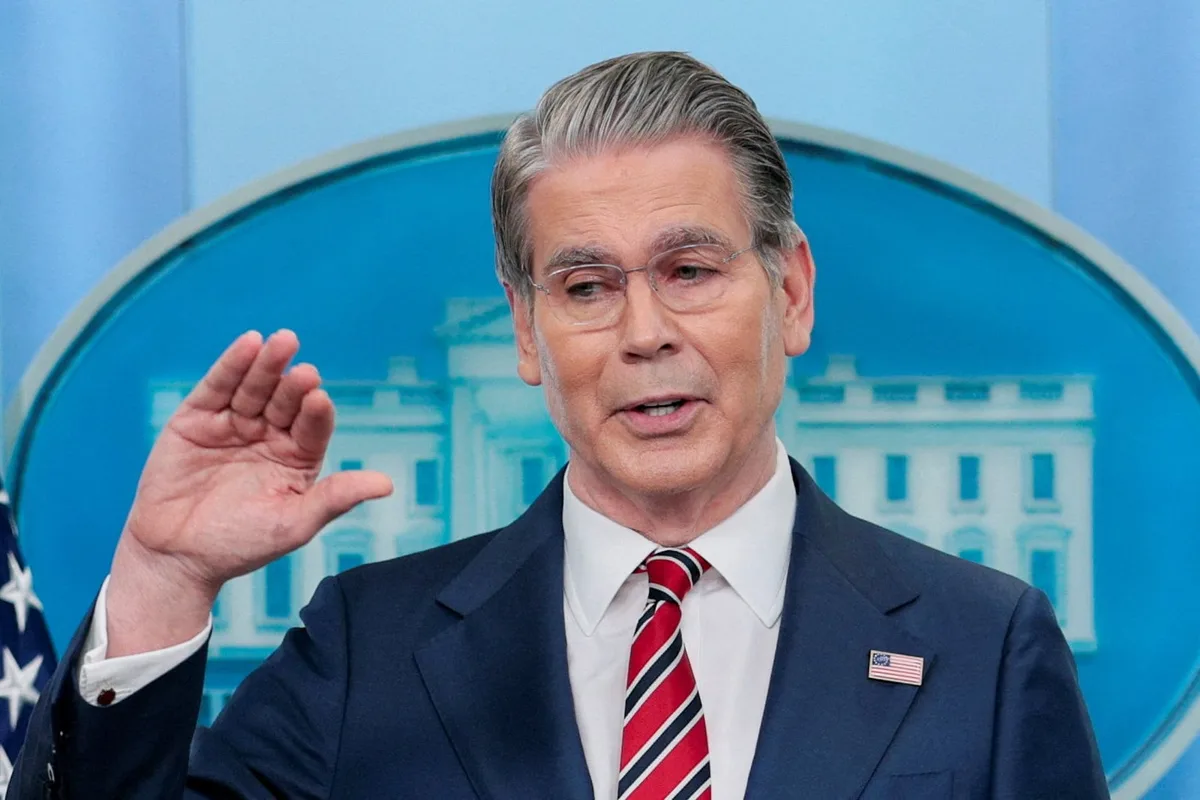
As the war with Iran nears its six-month mark, treasury secretary Scott Bessent said the US was launching an “economic onslaught” against Iran’s financial connections around the globe.
But Bessent declined to say what specific countries would be targeted or when those penalties would take effect.
“Why would I want to blow up the global financial system? We believe that it is important to level set and give people a cure period, but they should know that that will move very quickly and that we are serious,” he told a press conference.
Bessent previewed a “major announcement” of sanctions on a financial institution by the end of the week.
China has for several years been the biggest buyer of Iranian oil, and Washington has intensified its efforts to clamp down on Chinese purchases but has so far stopped short of targeting larger Chinese banks with sanctions.
With Trump and Chinese President Xi Jinping scheduled to meet in Washington in late September, new sanctions on Chinese banks could sour prospects for extending a deal struck last November to keep Chinese rare earths flowing and cap US tariffs.
Bessent also announced sanctions on nearly 60 entities, individuals and vessels and said the Treasury was targeting five sectors Iran was using to prop up its economy: digital assets, gold, technology, aviation and shipping.
Trump’s war with Iran, which has pushed energy prices higher worldwide, is about to hit its six-month mark. While heavy fighting has subsided, diplomatic efforts to end the war have stalled, and oil and raw material shipping through the Strait of Hormuz remains blocked, keeping energy prices elevated.
Trump’s approval rating has fallen to a low point, with just 33% of Americans in the latest Reuters/Ipsos poll approving of his performance. He says the economic costs are necessary to ensure Iran does not have a nuclear weapon.
The US has maintained sanctions against Iran for decades, most of which have been aimed at curtailing the country’s oil revenues, aviation sector, cryptocurrency, and procurement of weapons components and other military hardware, and cutting off funding for business enterprises controlled by the Islamic Revolutionary Guard Corps, a dominant force in the Iranian economy.
The sanctions bar designated entities from the dollar-based financial system, but Iran has been successful in quickly standing up new front companies, other entities and vessel registrations to evade the sanctions.
The treasury in recent months has sanctioned independent Chinese “teapot” refineries for purchases of Iranian oil and expanded its targeting of the shadow fleet of tankers transporting Iranian oil.
The US blockade of Iran’s ports has already curbed Chinese offers to purchase Iranian crude, Reuters reported on Friday, which may lessen the impact of secondary sanctions on China.
5News aggregated this summary from the outlet’s public feed. The full article, with all the context, is on www.timeslive.co.za — the content belongs to TimesLIVE News.