POLICY DISPUTE: Western Cape denies DBE claims of discriminatory school admissions
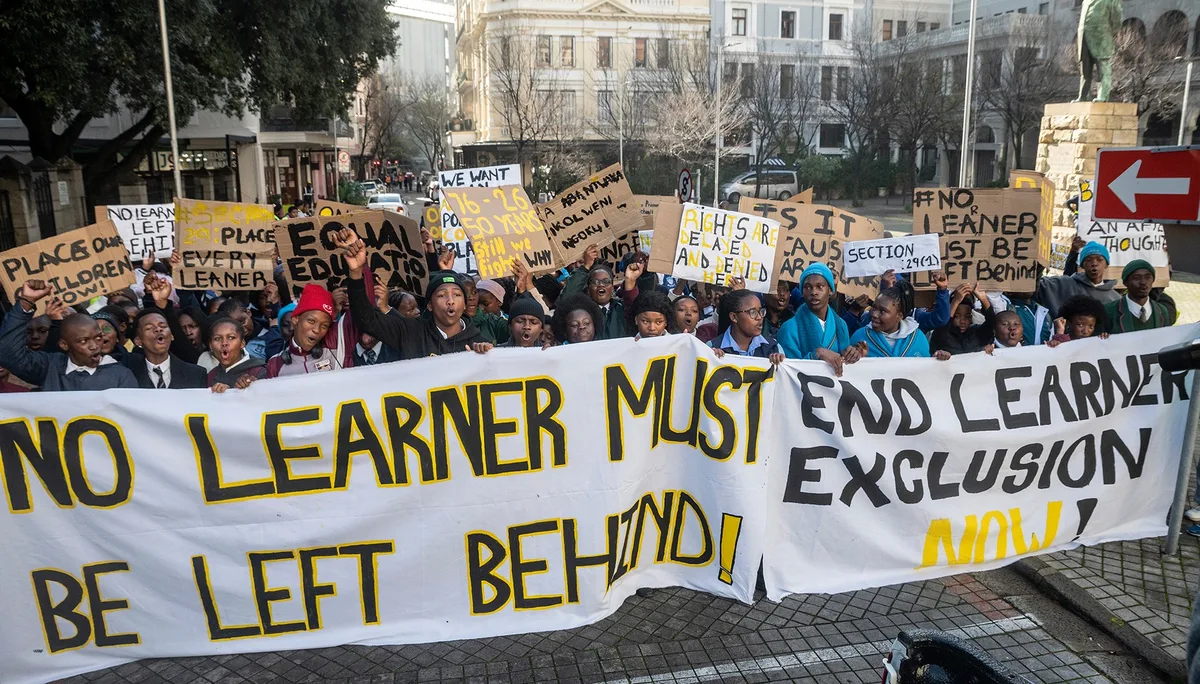
The Department of Basic Education has flagged discriminatory admission practices in Western Cape schools after a national monitoring exercise found widespread policy breaches and exclusionary criteria. However, the Western Cape Education Department vehemently denied racial profiling and said its own review of 10 high-demand schools found no evidence of bias.
The Department of Basic Education (DBE) has raised concerns about discriminatory learner admission practices in Western Cape schools, following a national monitoring exercise requested by Parliament’s Portfolio Committee on Basic Education.
Briefing the committee on Tuesday, 18 August 2026, James Ndlebe, Chief Director for Planning and Implementation Support at the department, said the department had examined admission policies, application forms, placement criteria, waiting lists and held discussions with school principals across all nine provinces, with a particular focus on the Western Cape after concerns were raised about exclusionary practices.
The findings were tested against the Constitution, the South African Schools Act and key court judgments. Ndlebe said the department found widespread problems in how policies were developed and implemented, with very little interaction between schools and officials and limited oversight of whether school-based policies aligned with the law.
On placement criteria, he told committee members that many schools still prioritised high academic performers and that public ordinary schools were also using interviews, tests and score sheets that ranked children on multiple factors – practices that were not allowed in such schools.
The monitoring further exposed how admission processes favoured children from more privileged backgrounds. Some schools required proof of parental employment, while others insisted on birth certificates and then discarded applications even when the learner was already in the public school “incomplete” e-system.
“Our admission processes are very discriminatory. They are making children compete for places; children are ranked in terms of social status and all the different abilities that are considered to be very irregular,” said Ndlebe.
He added that application forms often required photographs and asked about extracurricular activities such as sports, music and leadership, effectively giving preferential treatment to children with those backgrounds.
“When you dig deeper, you’ll then realise that these waiting lists will not have children of certain racial groups in particular. Instead, they are filled with a long waiting list of children that come from low economic status, children that are not sporty in nature, and children that are missing one or two documents, still staying at home when those documents were not supposed to be used at all,” he said.
Ndlebe criticised the Western Cape’s online admissions system for allowing individual schools to control who gets admitted.
5News aggregated this summary from the outlet’s public feed. The full article, with all the context, is on www.dailymaverick.co.za — the content belongs to Daily Maverick.