MANDLA LETLAPE | The emperor is naked: South Africa’s municipalities are fiscally broken
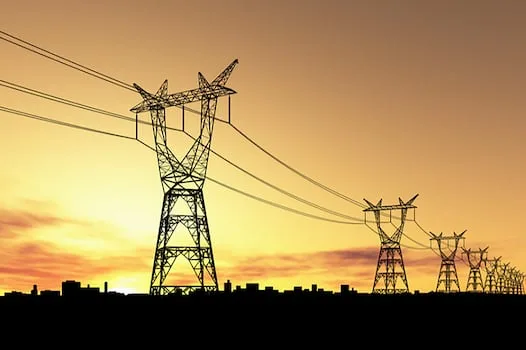
Let us stop pretending. South Africa’s model of wall-to-wall developmental local government is not financially sustainable. The evidence is visible in collapsing infrastructure, unpaid creditors, unreliable services and municipal arrears to Eskom that have now reached about R119bn.
This is more than a service-delivery crisis . The constitution did not establish municipalities as administrative outposts of national or provincial government. It made local government a distinct sphere — different from, yet interdependent and interrelated with, the other two spheres. Municipal councils hold their own executive and legislative authority and have the right to govern local affairs on their own initiative.
That constitutional status matters because municipalities were intended to be governments in their own right, not branch offices to be managed from Pretoria.
They were also assigned an explicitly developmental role. Local government was meant to do more than collect refuse, issue bills and repair potholes. It was expected to organise its administration, budgets and planning around basic needs; promote social and economic development; build liveable settlements; integrate communities divided by apartheid; and work with citizens to improve the quality of local life. The promise was a sphere closest to the people that could convert constitutional democracy into material change.
That developmental role is now receding. In too many places, municipal government has contracted from shaping local development to managing institutional decline. Integrated development plans become compliance documents rather than engines of spatial transformation. Capital maintenance gives way to emergency repairs. Local economic development is displaced by payroll pressures, creditor negotiations and the daily struggle to keep water flowing and electricity connected. A sphere designed to drive development is being reduced to a distressed service counter.
The constitution assigns municipalities extensive responsibilities and entitles them to an equitable share of nationally raised revenue. Yet transfers do not cover the full cost of those mandates. Municipalities are therefore expected to finance much of their work through property rates and service charges — above all, electricity sales. The contradiction is stark: their developmental obligations have expanded while the fiscal foundations needed to discharge them have weakened.
There may be circumstances in which an agency arrangement is justified. Communities cannot be condemned to darkness because a council has failed. But administrative convenience cannot override the constitution or the law.
That model is failing. Many municipalities use surpluses from electricity and water to fund salaries and other operations. Too little is then reinvested in the networks that generate the revenue. Infrastructure deteriorates, technical losses rise, collections weaken and the municipality becomes still less able to pay its bulk suppliers. Even comparatively wealthy metros are not immune.
None of this is new.
5News aggregated this summary from the outlet’s public feed. The full article, with all the context, is on www.timeslive.co.za — the content belongs to TimesLIVE.