Finally, some good news on memory-chip prices
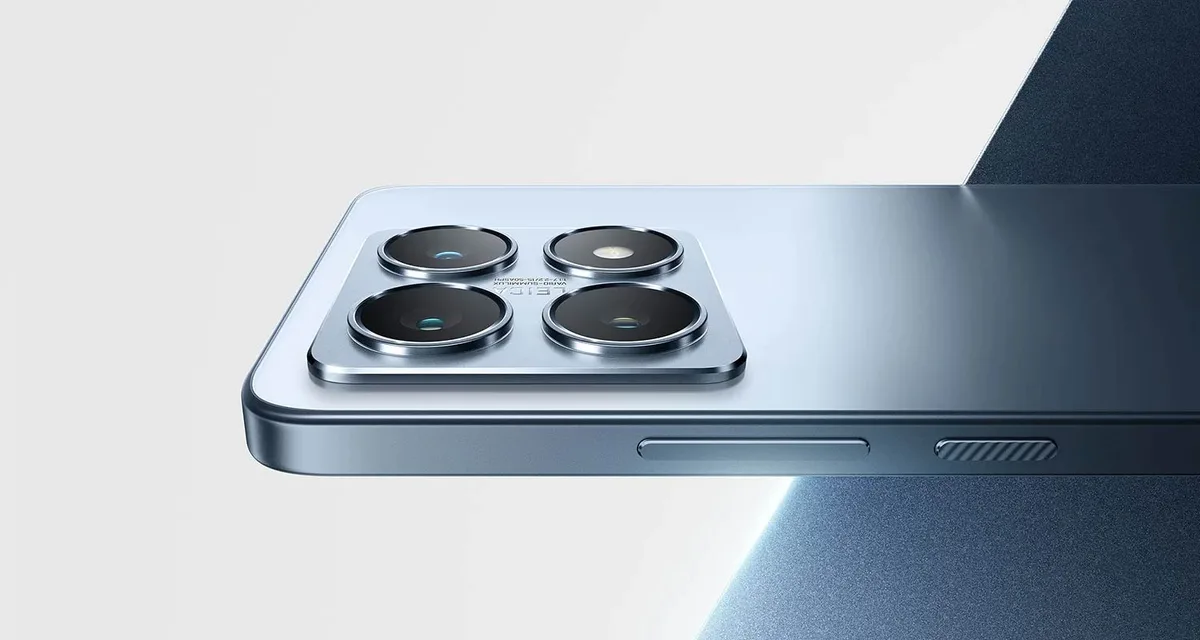
China’s Xiaomi said the worst period of pressure on its smartphone business had passed as the pace of memory price increases looked set to slow in the second half, while it sees its fast-growing electric vehicle business delivering a larger share of revenue.
Xiaomi on Tuesday posted a 42.6% fall in second-quarter adjusted net profit to C¥6.2-billion (R14.9-billion), missing analysts’ estimates, as historically high memory and other component costs squeezed margins for the maker of smartphones and electric vehicles. Analysts had on average expected C¥6.6-billion, according to LSEG data.
Revenue fell 6.1% from a year earlier to C¥108.9-billion, also missing the C¥112.2-billion consensus forecast.
“Significant increases in key component costs, including memory, along with intensified industry competition, continued to create headwinds for our business,” Xiaomi said in its earnings statement.
In a post-earnings call, Xiaomi president William Lu said memory costs remained at historically high levels in the second quarter, as higher component costs weighed on margins in Xiaomi’s smartphone and tablet businesses.
Xiaomi’s smartphone revenue fell 7.5% year-on-year to C¥42.1-billion, while its smartphone gross margin declined to 8.5% from 11.5% a year earlier. Xiaomi, ranked as the world’s third-largest smartphone maker, shipped 31.2 million smartphone units in the quarter, down 26% from a year ago, for a second consecutive quarter of decline, research firm Omdia said.
With more than half its shipments priced below US$200, Xiaomi was the most exposed among the top five smartphone vendors to memory cost inflation, Omdia added. Yet Xiaomi said the pace of memory-price increases had started to slow and should continue to slow in the second half.
Lu said the most difficult period for the smartphone business had passed, adding that Xiaomi had adjusted its product mix and launch schedule.
Xiaomi is increasingly relying on electric vehicles and AI as it seeks growth drivers beyond its increasingly saturated core business of smartphones. Its EV, AI and other new initiatives segments accounted for about 23% of total revenue, up from 18.3% a year earlier. EV revenue alone rose 15.9% to C¥23.9-billion. Xiaomi plans to enter European markets in 2027. — Ju-min Park, (c) 2026 Reuters
5News aggregated this summary from the outlet’s public feed. The full article, with all the context, is on techcentral.co.za — the content belongs to TechCentral.