‘A gamble on a child’s behalf’: thousands of pupils eat food from non-compliant school kitchens
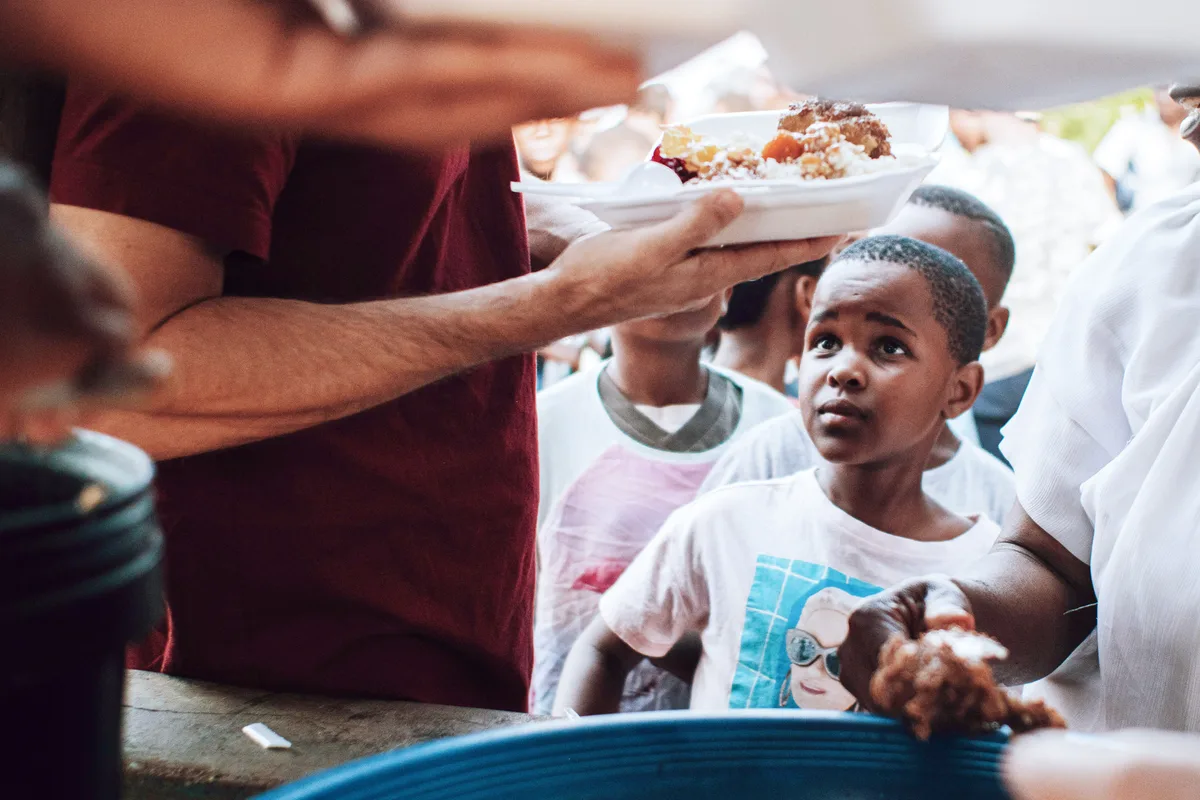
Millions of children rely on South Africa’s school nutrition programme for daily meals, but thousands are being served food from kitchens that do not meet basic food safety standards.
With a fraction of school kitchens holding the legally required Certificate of Acceptability (COA), a food safety expert has issued a strong warning of the health hazards.
The scale of health and safety non-compliance uncovered in school kitchens amounts to government gambling with children’s health, a food safety expert has warned.
“This is not an administrative failure — it is the difference between a safe meal and a gamble taken on a child’s behalf, every school day, without their knowledge,” said Asanda Getyeza-Ntswam, a PhD candidate at the School of Public Health at the University of the Western Cape.
According to figures from parliament, thousands of children are eating meals prepared in school kitchens that do not meet basic food safety and hygiene standards, raising safety questions about the food served to some of the country’s most vulnerable learners.
As first reported by News24 , only 1,616, or 18%, of the 8,889 public schools providing daily meals across six provinces have been issued with a COA, a requirement for establishments that handle, prepare, store or sell food.
A COA is issued after an environmental health officer has assessed an establishment and determined that it complies with r egulation 638 of the department of health.
Without the certificate, there is no independent assurance that a school kitchen meets the required food safety standards.
The scale of the problem varies dramatically between provinces. Limpopo is the worst affected, with only 167 of the 3,472 schools participating in the National School Nutrition Programme (NSNP) having a COA. This amounts to less than 5% compliance.
In the Western Cape, 678 of 1,077 schools have certificates, compared with 262 of 1,675 schools in Gauteng, 255 of 758 in the Free State, 148 of 499 in the Northern Cape and 106 of 1,408 in the Eastern Cape.
Across the six provinces, thousands of schools continue to provide meals without the compliance certification.
The NSNP provides daily meals to about 78% of the 9.5-million learners at roughly 20,000 schools nationally. The programme has been allocated R10.3bn in the current financial year.
Getyeza-Ntswam said the consequences of failing to maintain food safety standards can be severe. “South Africa has already seen what that gamble can cost,” she said, referring to the deaths of more than 20 children in Gauteng in 2024 after they consumed snacks contaminated with terbufos, an illegal street pesticide.
“The lesson from Gauteng is not that spaza shops are uniquely dangerous; it is that food safety fails quietly, in ordinary places, until it does not.”
5News aggregated this summary from the outlet’s public feed. The full article, with all the context, is on www.timeslive.co.za — the content belongs to TimesLIVE News.