CPUT students left in limbo as classes remain suspended
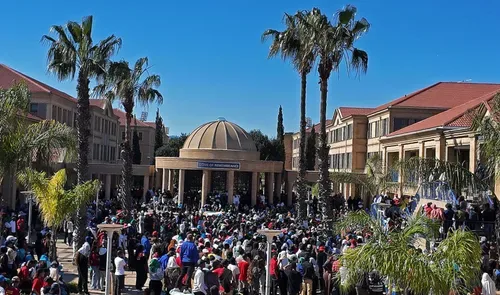
CPUT students were ordered to vacate university residences after violent protests forced the suspension of classes.
Thousands of Cape Peninsula University of Technology (CPUT) students remain uncertain about when they will return to class, with neither online nor face-to-face teaching taking place while the university continues to work on an academic catch-up plan following weeks of protest action.
CPUT spokesperson Lauren Kansley confirmed that there had been no change to the suspension of the academic programme.
“An academic catch-up plan is still being workshopped and will be communicated to our university community once it is decided upon. There are no classes either online or in person at this moment,” Kansley said.
The continued suspension comes after CPUT closed its campuses and ordered students to vacate residences following escalating violence during protests, including the burning of its Old Education Building at Bellville.
CPUT has warned that the disruption is placing increasing pressure on the remainder of the academic year, including examinations, the publication of marks, graduation and Work-Integrated Learning programmes.
Students initially protested over CPUT’s Draft Financial Recovery Plan for 2027, which proposed that some students pay up to R7,000 upfront to register. Council later withdrew the plan for further consultation.
Their demands extend to historical student debt, registration requirements, residence fees and conditions and access to academic records. The Department of Higher Education has confirmed these issues formed part of memoranda submitted by students.
For students, the prolonged shutdown has created anxiety over whether they will be able to recover lost academic time.
A District Six student said she was worried about the impact of the unrest on her studies and did not support the violent turn taken by some of the protests.
A student from a Bellville residence said students had originally expected to remain in accommodation until November and many had no money to suddenly travel home.
He said police arrived at the residence and told students to leave, but questioned why protesting students were being blamed for the destruction.
“Those who burnt the campus, those are not students. You get opportunists. Why would students burn down something that is for them?” he said.
Asenathi Zizi Bege, a member of the South African Students Congress (SASCO), said legitimate student structures were distancing themselves from the destruction and believed opportunists had infiltrated the protests.
5News aggregated this summary from the outlet’s public feed. The full article, with all the context, is on iol.co.za — the content belongs to IOL.