Integration is South Africa’s key to unlocking SADC’s massive economic potential

As South Africa assumes the SADC chairpersonship, a fundamental strategy shift from extraction to regional partnership is essential to secure long-term competitiveness and economic growth.
Shaun Kinnes is a researcher with a special interest in climate change and geopolitics, and is a 2026 Mail & Guardian Top 200 Young South African award recipient.
For a country that often struggles to find its footing in global markets and attain a competitive advantage, South Africa holds one card it rarely plays well – the Southern African Development Community (SADC).
This week, as President Cyril Ramaphosa assumed the SADC chairpersonship for 2026-2027, the opportunity presented itself once again. The question is whether we will finally use it wisely.
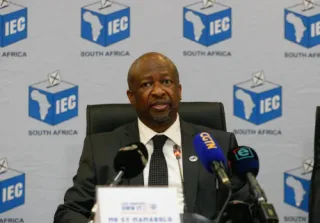
International Relations and Cooperation Minister Ronald Lamola has set out the right priorities he wishes to advance during this chairpersonship. These priorities include accelerating regional industrialisation, pushing for critical minerals beneficiation, expanding infrastructure and strengthening human capital.
These are not new ambitions. SADC has been talking about these things for decades. What is new is the urgency. With regional trade languishing at around 20% of total commerce, and manufacturing contributing only 10% of GDP, we are running out of time to change the story and drive regional integration.
Keep in mind that the SADC region is one of the few where South Africa has a competitive edge at a time when global markets remain exceptionally challenging and unpredictable. South Africa dominates the SADC region and accounts for almost half of the regional gross domestic product.
Ultimately, the real opportunity lies in how South Africa approaches this tenure. For too long, policymakers have treated SADC as a market for our finished goods and a source of cheap raw materials. Trucks leave Johannesburg packed with manufactured products and return carrying minerals. That is not regional integration. It is old-fashioned extraction dressed up in diplomatic language. The entire SADC region continues to export minerals and agricultural commodities while importing manufactured goods.
Lamola, the chairperson of the SADC Council of Ministers, acknowledged this uncomfortable truth when he noted that “our region’s wealth has nourished economies far and wide, while our own economies have remained trapped in old patterns of extractive accumulation”.
The solution he proposes to address the disparity – including beneficiation, building regional value chains and increasing intra-regional trade is sound. But the implementation will require South Africa to do something it has historically resisted: treating its neighbours as genuine partners in industrialisation and development as opposed to its junior suppliers.
Consider the statistics. The SADC region holds nearly 30% of the world's proven critical mineral reserves, including approximately 50% of global cobalt reserves and 20% of graphite reserves.
The global green and technological transition depends on these very materials. Yet we continue to export them raw, watching value accrue elsewhere.
5News aggregated this summary from the outlet’s public feed. The full article, with all the context, is on www.dailymaverick.co.za — the content belongs to Daily Maverick.