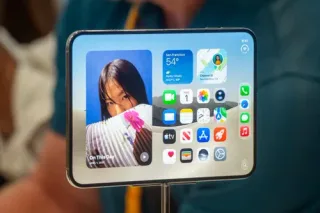
Starlink is coming for your mobile operator
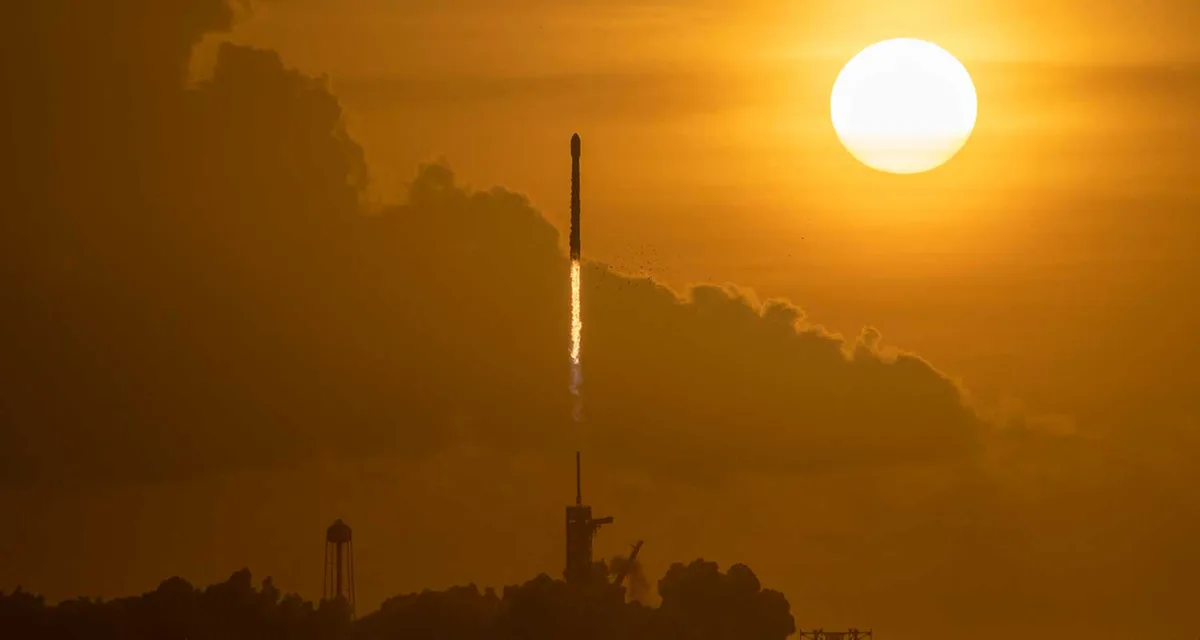
SpaceX struck a deal on Thursday to acquire a nationwide portfolio of low-band spectrum, moving Elon Musk’s rocket and satellite company closer to mounting a direct challenge from orbit to America’s established mobile operators.
SpaceX will pay about US$8-billion in cash for the assets to their seller, private equity firm Grain Management, the Wall Street Journal reported , citing people familiar with the matter. The companies did not disclose financial terms, and SpaceX and Grain did not immediately respond to a Reuters request for comment.
The deal covers all of Grain Management’s nationwide 800MHz spectrum, which Grain bought from T-Mobile earlier this year. It is subject to approval by the US Federal Communications Commission (FCC).
SpaceX’s Starlink Mobile satellite-to-phone service already holds 2GHz mid-band spectrum globally for high-bandwidth capacity, and last year SpaceX agreed to buy spectrum from EchoStar in two deals worth a combined $19.6-billion. Low-band frequencies, by contrast, travel long distances and penetrate walls and tree cover, addressing a major technical hurdle for satellite-based mobile networks.
Most existing handsets already support the 800MHz band, so consumers will not need special satellite phones.
By pairing nationwide low-band airwaves with high-frequency capacity from space, SpaceX is positioning Starlink Mobile to bypass conventional cell towers altogether and compete with the big US carriers on both coverage and in-building reliability. The deal raises the stakes for those carriers, turning satellite direct-to-device connectivity from a safety net for remote dead zones into a potential commercial rival to their terrestrial networks.
It follows SpaceX president Gwynne Shotwell’s statement in August that the company would build ground infrastructure to make Starlink “a true mobile service” and expected to win “quite a few” customers from the major carriers.
Shares in T-Mobile US, Verizon and AT&T fell about 6% in extended trading. In May, the three carriers agreed in principle to form a satellite-focused joint venture that some analysts believe is a response to the threat from SpaceX.
“The incumbent wireless carriers have been vocal in expressing scepticism that SpaceX’s network will be able to match the quality of their networks,” analysts at William Blair said.
“We expect SpaceX to offer a very compelling Starlink broadband and Starlink Mobile bundle. The company may also include Grok in the package,” they said, referring to the AI chatbot developed by xAI, which SpaceX acquired in February .
Verizon spokesman Rich Young said hurdles remained. “This company can have tons of spectrum available, but if they do not have the network to use it, it doesn’t matter. It’s just empty airwaves,” he said.
FCC chairman Brendan Carr welcomed the deal. “We are going to see more investment, more opportunities for a range of providers, and America leading the world in next-gen technologies – to the benefit of consumers all across the country,” he said.
5News aggregated this summary from the outlet’s public feed. The full article, with all the context, is on techcentral.co.za — the content belongs to TechCentral.