S’THEMBISO MSOMI | Jobs and economic growth should dominate SADC summit
Summits are incredibly boring, especially for us ordinary folks not trained in the convoluted language of conferences and colloquia.
Even when one tries to follow media reports of what was discussed in such gatherings, the stuff tends to fly over most people’s heads. In recent years, we have had SA host important gatherings such as Brics and the G20 Summit — where some of the world leaders we only see on television were in attendance — but an average Tshepo would struggle to tell you what those were about.
Hence, when most of us hear of yet another summit, we switch off — preferring to change the subject to easy topics such as why Miguel Cardoso’s Mamelodi Sundowns always struggle to beat the Phefeni Boys, whether they are coached by so-called interpreters or a real McCoy like Fernando da Cruz.
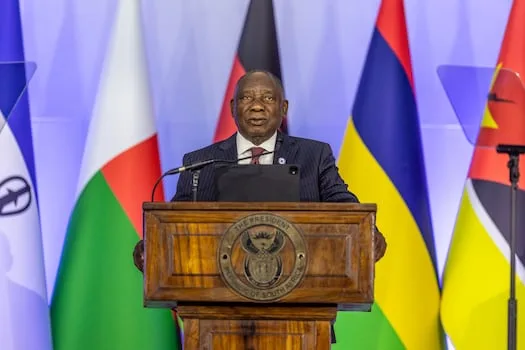
Down in eThekwini over the next two days, 16 nations will be gathered for the 46th Southern African Development Community’s heads of state summit. We would be making a grave mistake if we dismissed the meeting as just another meaningless talk shop we shouldn’t be paying much attention to.
It is a significant gathering, especially as it comes just two months after SA was almost brought to a standstill due to mass protests over undocumented immigrants from mostly African countries.
In meetings held by SADC foreign affairs ministers and diplomats ahead of the heads of state summit, many of our neighbouring countries expressed “hurt” at the manner in which SA handled the crisis — specifically for the violence that accompanied some of the protests.
While we must be careful not to belittle what happened in the run-up to the June 30 deadline for foreigners to leave unilaterally imposed by March and March and its associates, the SADC has far more pressing issues for its gathering this week than to be stuck on the antics of Phakelumthakathi and Ngizwe Mchunu.
Dominating the debates at the summit should be the economic and political state of the region.
With a combined population of almost 400-million people, the SADC region is bigger than the US in population size. It is endowed with many of the critical raw minerals the world needs as it shifts towards cleaner energy. But unless there is a joint and concerted effort to move beyond being a mere supplier of raw materials to richer nations – a role the region and the rest of Africa have played since colonial conquest – Southern Africa and her people will once again miss out on the possible benefits of these advantages.
According to various global studies, Southern Africa holds 30% of the global reserves of critical energy transition minerals such as the platinum group metals and also lithium, cobalt, copper, graphite, nickel and manganese. SA and Zimbabwe alone hold 83% to 85% of global platinum reserves, yet the two countries do not determine the price of the minerals on world markets.
Reports indicate that, by 2030, global demand for some of these minerals would have tripled as most of the world moves towards cleaner energy.
5News aggregated this summary from the outlet’s public feed. The full article, with all the context, is on www.sowetanlive.co.za — the content belongs to Sowetan.