PINE PAIN: Lower Tokai fynbos ‘can recover’, but scientists divided over what comes next
{JSON.stringify(article.attachments[0], null, 2)} --> Two leading fynbos scientists say Lower Tokai can recover after 130 years under pine plantations. But the future of the contested site remains fiercely disputed over restoration and shaded recreation.
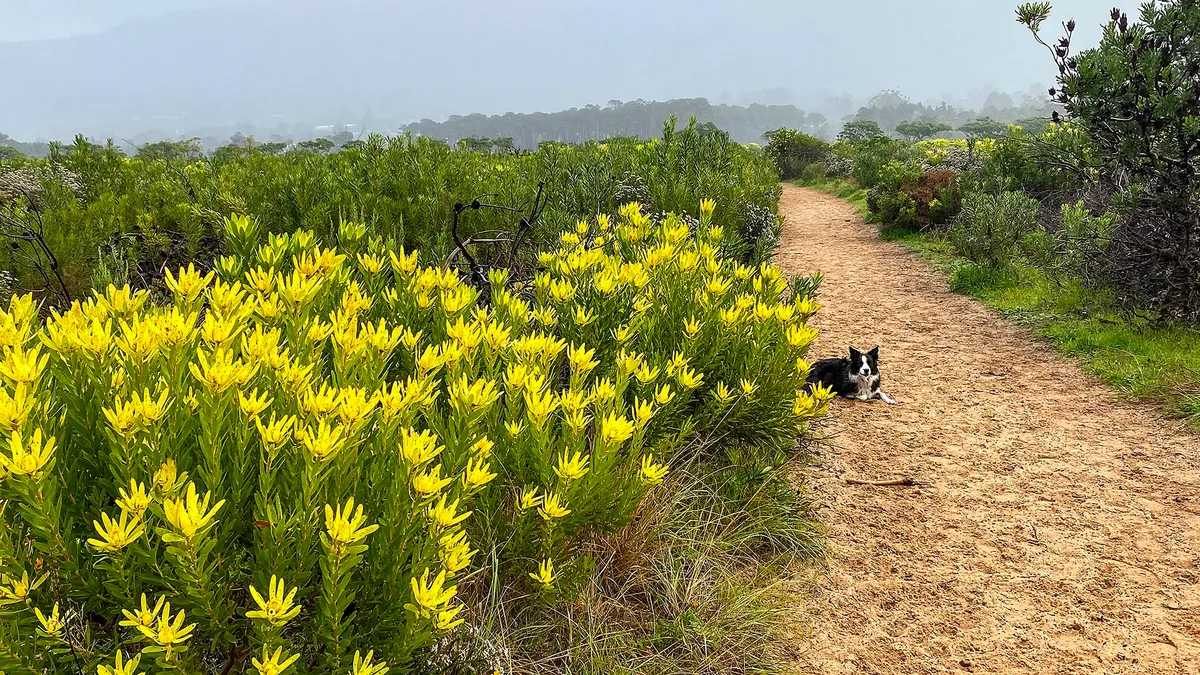
Fynbos can be restored to its original state even after 130 years of lying dormant in seed form in the soil under pine plantations, two of South Africa’s most eminent fynbos ecology and invasion biology specialists have confirmed.
And one of these researchers – Professor Dave Richardson – says this applies specifically to Lower Tokai, where a pine plantation was established in about 1885 on what is now recognised as critically endangered Cape Flats Sand Fynbos, and where some felled sections are already being successfully rehabilitated.
This vegetation type (previously referred to as Cape Flats Sand Plain Fynbos) is the most threatened vegetation type within the City of Cape Town, with just 10% remaining and less than 1% formally conserved. SA has signed an international commitment to protect and restore at least 30% of this fynbos type, if possible.
Richardson, an A-rated researcher by the National Research Foundation, was Director of Stellenbosch University’s Centre for Invasion Biology from 2012-2022 and is currently a Distinguished Professor in the university’s Department of Botany and Zoology.
He has now publicly added his views to the Lower Tokai Park debate that has raged intermittently for at least two decades over differences of opinion about the future management of this part of the Table Mountain National Park (TMNP).
Arguably, the most highly contested issues in this debate are whether the remaining 26-odd hectares of standing pines and other listed invasive plants in Lower Tokai should be felled; whether this former planation section can and should be rehabilitated and restored as closely as possible to its original Cape Flats Sand Fynbos vegetation; and whether non-invasive tree species should be planted in place of the pines to create shaded walkways in what is a highly popular recreational area.
In July, the national Department of Forestry, Fisheries and the Environment directed SANParks to clear all invasive alien plants like pine trees and gums from the former Tokai and Cecilia plantations.
In response, Richardson and his fellow A-rated colleague Professor Richard Cowling, who is also a fynbos ecology and invasion biology specialist, provided a statement to the Friends of Tokai Park conservation group that supports the Department of Forestry, Fisheries and the Environment ’s directive. The statement summarised their view of the crucial overall question: “Can Fynbos be restored after decades of pine afforestation?”
Their response reads: “The short answer is ‘Yes’... There are many published papers and much anecdotal evidence showing that fynbos plant species can persist as living plants decades after pine afforestation and as dormant seed 130 years after afforestation.”
But this conclusion, as it relates to Lower Tokai Park, remains highly contested by Parkscape , a community organisation established in 2016.
5News aggregated this summary from the outlet’s public feed. The full article, with all the context, is on www.dailymaverick.co.za — the content belongs to Daily Maverick.