Microsoft commits to sweeping AI privacy rules for pupils
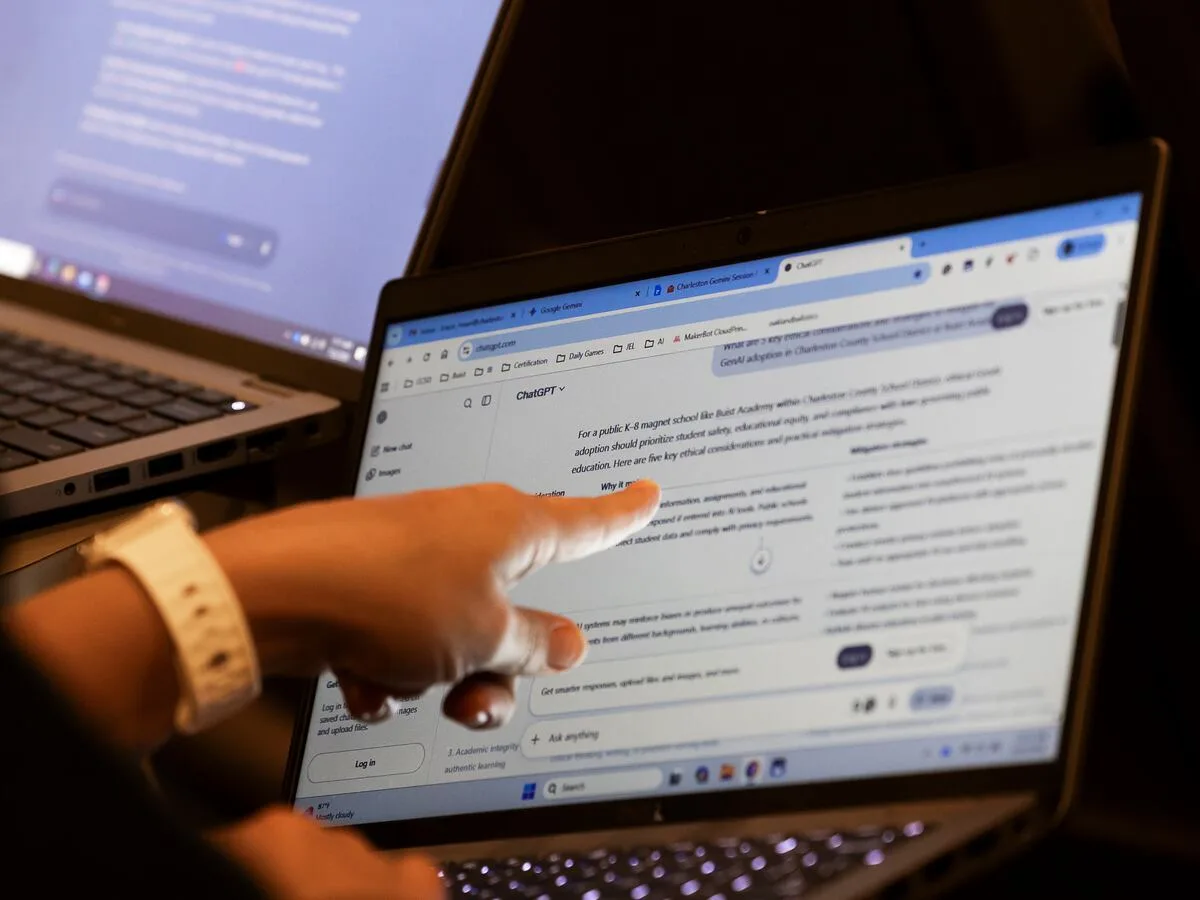
Every day millions of pupils turn to AI chatbots for help with schoolwork, emotional support and personal advice, often unaware of where their conversations and other personal information end up.
How that data is used, and the role of schools in protecting it, is a growing concern for teachers, parents and children as artificial intelligence becomes a ubiquitous part of the school day, embedded in many of the classroom tools pupils are required to use.
As the US school year started, the country’s two largest school districts, New York City and Los Angeles, announced they were putting the brakes on pupil use of AI for one year as they study how to best incorporate the technology into education.
In response to a growing AI and screentime backlash, Microsoft announced last week it had agreed to adopt guardrails and privacy standards for its AI in schools, as negotiated with the American Federation of Teachers, the country’s second-largest teachers union.
The safety provisions in the agreement are meaningful, but the standards will only be effective if all AI companies, especially the tech giants, sign on, said Josh Golin, executive director of the online safety nonprofit Fairplay. He said the agreement sidesteps the question of whether AI products even belong in classrooms, or at what age they should be introduced.
“I worry that a high-profile framework like this will be misunderstood and schools will think, ‘If they’re doing a good job on data privacy and safety, that means we should be using the tool’,” Golin said.
The AFT said the agreement, which is legally binding and requires third-party audits for compliance, could set an industry standard. Two other leading AI companies, OpenAI and Anthropic, said they were also discussing safety and privacy pacts with the AFT. However, Google, the dominant provider of education technology for US schools, has not said whether it plans to offer similar protections.
As part of the wide-ranging agreement, Microsoft said it will not use pupil or teacher data to train AI systems, apart from a narrow exception for data that could help protect pupils. It said the data it collects cannot be sold, used for advertising or used for product development.
The agreement prohibits any use of AI companions or features “designed to foster emotional attachment or dependency” and to keep pupils engaged for longer than a learning task requires. It also includes a range of audit and transparency measures that require the company to disclose to families, in plain language, how its tools work.
“This standard sets a high bar for child privacy and AI safety, and we’ll extend this agreement to every school district across the country,” said Brad Smith, Microsoft’s vice chair and president. The standards will apply to all schools that Microsoft has contracts with starting on November 1, he said.
AFT president Randi Weingarten called the agreement the “first of its kind” and an important step to setting an industry standard in the absence of federal and state legislation on AI in schools.
“We want parents to have control of their kids’ education. We want teachers to have control of kids’ education, not ed tech.
5News aggregated this summary from the outlet’s public feed. The full article, with all the context, is on www.sowetanlive.co.za — the content belongs to Sowetan.