RESILIENT RECOVERY: Kruger National Park prepares to ‘build back better’ after R1bn flood damage
{JSON.stringify(article.attachments[0], null, 2)} --> After January’s extreme weather exposed serious vulnerabilities and resulted in the evacuation of more than 500 guests, the famed game reserve is rethinking its roads, bridges and other infrastructure.
It began in early January with a low-pressure zone over Mozambique drawing moisture-laden air from the warming Indian Ocean. The saturated air was pulled towards the escarpment west of the Kruger National Park and forced upwards.
As it cooled and condensed, huge cloud systems began building. A disaster was on its way. By 9 January, torrential rain was pummelling the catchments of the Kruger’s rivers and the park itself. The South African Weather Service issued a level 6 warning.
When the saturated earth could absorb no more water, drainage lines fed streams that sluiced into rapidly filling tributaries and then the park’s major rivers.
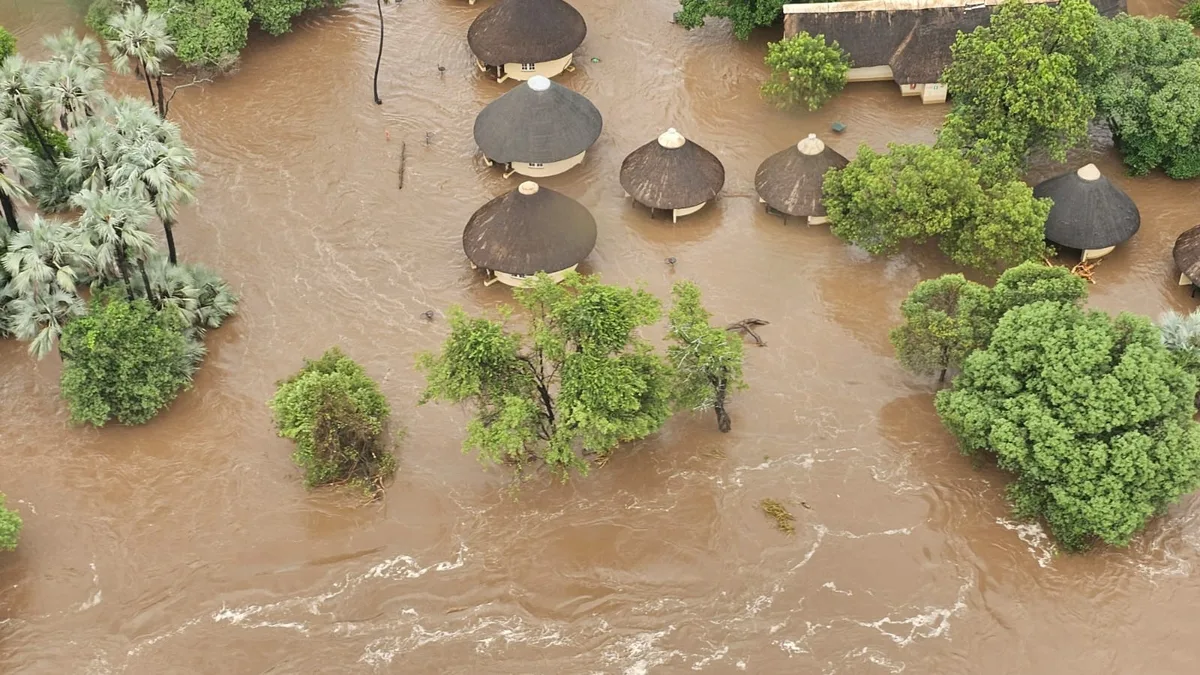
The Kruger began evacuating tourists as the Sabie, Olifants, Letaba, Sand, Luvuvhu and other rivers burst their banks. Roads vanished beneath brown water, bridges and causeways were overwhelmed and camps were cut off. Debris massed against culverts and the rising water pressure simply blasted them away, taking roads with them. The Pafuri area received its average annual rainfall in just two days.
On 16 January, a red-level warning went out. By then, one of Africa’s best-known protected areas had become a landscape of flooded rivers, broken infrastructure and isolated pockets of high ground. By the time the weather relented, the storms had caused nearly R1-billion in damage.
The park had endured major floods before, notably in 2000 and 2023. But this event was different: several river systems flooded almost simultaneously, and the Letaba River rose beyond its level in 2000. With extreme weather expected to become more frequent, the Kruger needed a major rethink: how to expect the unexpected and build for it.
Under massive siege, its infrastructure could have fallen apart. It didn’t. The park happened to be conducting an infrastructure vulnerability assessment based on earlier floods when the waters began rising. Managing executive Oscar Mthimkhulu therefore had the basis on which to assemble a disaster management team.
Park management rapidly established detour routes and moved people out. More than 500 guests were evacuated from camps including Letaba, Balule, Talamati, Shimuwini and Sirheni, and Pafuri tented camp in the far north was cleared. As low-level bridges washed out, several gates into the park had to close.
Remarkably, the park worked around failing structures to keep large sectors operating. The interconnections needed to run this vast place, and staff with in some cases a lifetime’s experience, held it together. Information was shared quickly. Infrastructure was hammered, but the system held. A complete shutdown was avoided and visitor numbers remained resilient.
Around the table are Mthimkhulu, head of conservation management Danie Pienaar and large-mammal ecologist Sam Ferreira – the core of the team thinking through the Kruger’s recovery.
“Danie was on holiday when the floods hit,” says Mthimkhulu. “Big problem.
5News aggregated this summary from the outlet’s public feed. The full article, with all the context, is on www.dailymaverick.co.za — the content belongs to Daily Maverick.