ALEX MALAPANE | SA needs macroeconomic policy rebalancing, not more taxes
The economic conversation in South Africa tends to be dominated by revenue collection, tax compliance and fiscal consolidation. Insufficient attention is given to the macroeconomic policy mix that ultimately determines whether businesses invest, jobs are created and incomes grow. The country faces a revenue crisis, but this is in fact more of a growth crisis. It is time to shift the policy debate from tax mobilisation to macroeconomic policy rebalancing.
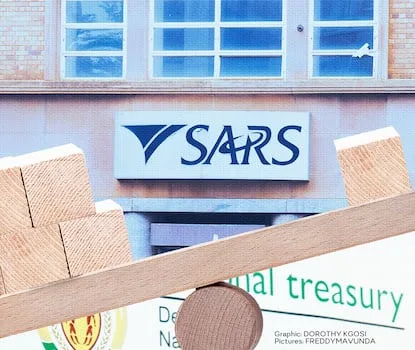
The 2026 national budget reaffirmed the government’s commitment to fiscal discipline. It projected a tax-to-GDP ratio of about 25.9%, maintained a primary budget surplus, relied on stronger South African Revenue Service collections and introduced increases in the general fuel levy, Road Accident Fund levy, carbon fuel levy and excise duties.
Fiscal prudence is necessary and should be welcomed, but fiscal consolidation alone cannot become South Africa’s economic strategy. According to the IMF , South Africa’s economy is expected to grow by just 1.1% in 2026. According to Stats SA, the official unemployment rate stood at 33.6% in the second quarter of the year, while youth unemployment reached 47.4%. Public debt remains close to 78% of GDP, and debt service costs continue to absorb an increasing share of government revenue.
These indicators point to an economy that has achieved relative macroeconomic stability but continues to underperform structurally. The uncomfortable reality is that South Africa’s greatest macroeconomic challenge is no longer inflation, but weak economic growth .
Every additional tax imposed on a stagnant economy ultimately places greater pressure on households and firms already struggling with rising operating costs, weak demand and constrained investment. Government revenue is an outcome of economic expansion, not a substitute for it. The fastest way to improve fiscal sustainability is to expand the productive capacity of the economy. This is where macroeconomic policy rebalancing becomes essential.
The priority should be a decisive shift from revenue maximisation to investment mobilisation. South Africa’s gross fixed capital formation remains at 14%-15% of GDP, well below the level associated with high-growth emerging economies. The government should introduce accelerated depreciation allowances, expand investment tax incentives for productive sectors, simplify public-private partnerships and fast-track strategic infrastructure approvals. Investment should become easier than compliance.
We must rebalance expenditure away from consumption and towards productive capital formation. Every rand invested in electricity transmission, freight rail, ports, water infrastructure, broadband connectivity and logistics produces far greater long-term economic returns than expenditure that merely sustains consumption. Productive infrastructure lowers business costs, raises productivity and strengthens competitiveness.
South Africa must also aggressively reduce the cost of doing business. Electricity instability, inefficient ports, deteriorating rail infrastructure, municipal failures and regulatory complexity have become hidden taxes on investment.
5News aggregated this summary from the outlet’s public feed. The full article, with all the context, is on www.businesslive.co.za — the content belongs to Business Day.