Transport costs force more than 40% of public transport users to travel less, UCT study finds
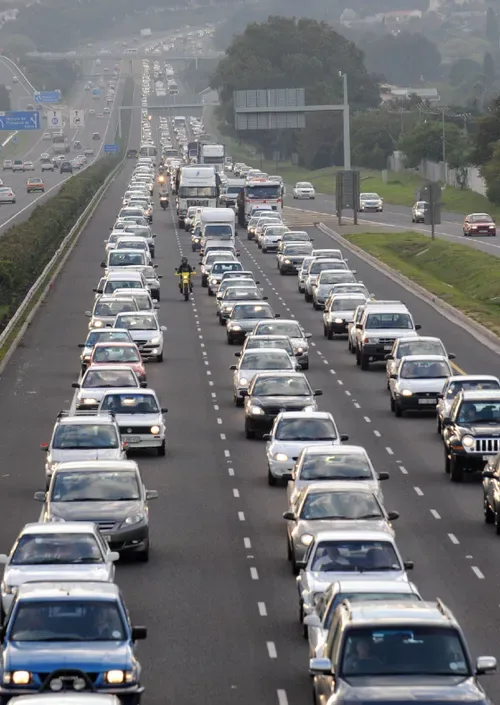
Rising transport costs are forcing motorists to cut back on travel, with public transport users among those hardest hit.
More than 40% of public transport users say they have been forced to travel less because of transport costs, according to a new University of Cape Town study.
Motorists are also cutting back, with 31% saying they have restricted their driving because of fuel prices.
The findings come from the UCT Liberty Institute of Strategic Marketing’s Commuter Report 2026, which surveyed 2,198 commuters across the country and included 100 in-depth interviews.
The report found that 45% of motorists had tried to bring down their commuting costs over the past year, while 15% had moved to smaller, more fuel-efficient cars.
“While private vehicle owners can adjust their habits or downsize to cope with inflation, public transport users have far fewer levers to pull,” said Paul Egan, managing consultant at the UCT Liberty Institute.
Egan said millions of South Africans already experienced “travel poverty”, where restricted mobility directly limits access to job opportunities, basic services and personal wellbeing.
The study found that 59% of private-car commuters would switch to trains if safe and reliable services were available.
But despite the cost of owning and running a vehicle, almost 70% of public transport commuters said they would prefer to travel by car.
The study found that this was largely about safety and having more control over their journey, rather than status.
“I want to control what time I leave and arrive, and I want to be in control of my own safety,” one public transport user told researchers.
About 41% of public transport users said they feared for their personal safety on South African roads, compared with 33% of motorists.
Report co-author Associate Professor James Lappeman said owning a car gave commuters more independence, but did not necessarily remove the stress of travelling.
“Owning a vehicle offers schedule control and independence, but for many drivers, that control comes bundled with anxiety, road stress and safety concerns,” he said.
5News aggregated this summary from the outlet’s public feed. The full article, with all the context, is on iol.co.za — the content belongs to IOL.