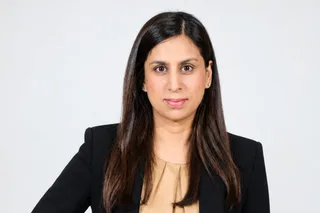
MPUMI SITHOLE | Women, mining and the next frontier in zero harm
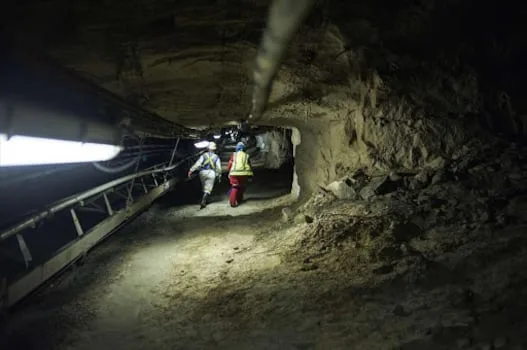
Few industries have institutionalised safety with the same rigour as mining. It informs every stage of the operating model, from planning and risk assessment to execution and review. At its centre is the pursuit of zero harm: the conviction that every incident is preventable, every risk needs attention, and every person should return home safely. This ambition has shaped the modern mining industry.
The gains made over time show what becomes possible when an industry treats a risk as a shared priority, backed by sustained leadership, investment and accountability. Much of that progress comes from what the industry calls “visible felt leadership”: leaders present on site, engaged with employees, showing through their actions that safety is personal. This is how safety became an ethos that the industry lives by.
These were some of the themes that came through strongly recently at the third annual Women in Mining South Africa (WiMSA) Symposium, which tackled the growing role of women in the industry while highlighting the importance of creating workplaces where women feel able to speak up, participate fully and build their careers with confidence.
This Women’s Month, and as women continue to build careers across the mining value chain, there is an opportunity to broaden that same understanding of safety. The opportunity matters most in an industry that, despite real progress, remains overwhelmingly male.
Women now make up just over one in five people working in South African mining, up from 19% in 2024 and from 12% less than a decade ago, according to the Minerals Council South Africa’s Facts and Figures 2025 Pocketbook. The trajectory is real. So is the distance still to travel.
Women are now working underground and above ground, across engineering, geology, processing, technology, sustainability, finance and executive leadership. They are occupying spaces never designed with them in mind and, in doing so, expanding the industry’s understanding of expertise, authority and leadership.
While this progress matters, it also invites a harder question. What does it mean for women to feel safe at work, beyond the physical? I have long admired the women who have built careers here, often with few who came before them to show the way.
Leadership plays a decisive role in shifting that reality. Cultures evolve when leaders treat speaking up as a respected professional act. That takes visible responses to concerns, consistent accountability, and reporting mechanisms employees trust. It also takes an understanding that women may experience mining differently, and that an open culture has to be responsive to that difference rather than blind to it.
That same presence matters here. Employees draw conclusions about what an organisation values not from policies or statements, but from what they see leaders do every day. When leaders show up, listen, and respond consistently to what is raised, they signal that psychological safety is being taken as seriously as physical safety.
For women specifically, that presence can be the difference between staying silent and trusting that what they raise will be heard and acted on.
5News aggregated this summary from the outlet’s public feed. The full article, with all the context, is on www.businesslive.co.za — the content belongs to Business Day.