NEWS ANALYSIS | How data blind spot undermines fight against illicit alcohol
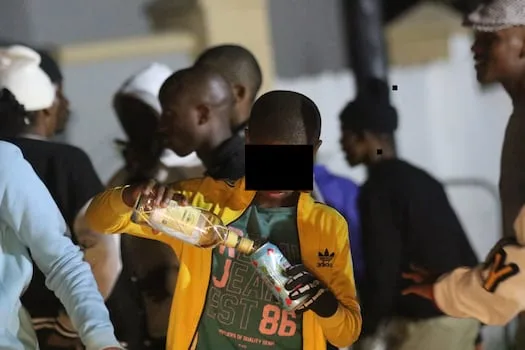
South Africa risks building a costly policy response around an illicit alcohol market that keeps moving, and not necessarily because the market itself is constantly changing, but because there is still no single agreed way of measuring it.
The illicit alcohol debate has always been a numbers game: an estimated value of R25bn, R16.5bn in lost excise revenue and one in five bottles sold are illicit. Every intervention, from National Treasury excise reviews to industry lobbying, tends to start with the size of the problem and work backward from there.
But there is a lot riding on those numbers. The government has built a national enforcement programme around it, deploying the South African Revenue Service (Sars), the police and the Border Management Authority (BMA) against smuggling and illegal manufacturing. The National Treasury is reviewing alcohol taxes, weighing changes to excise duties and other measures against warnings that higher prices could push some drinkers towards cheaper illegal products.
Brewers are lobbying around the issue and public health groups are pushing back, worried that “illicit trade” is becoming a convenient argument against tougher alcohol controls. For a debate that touches tax revenue, more than 500,000 jobs and public health, South Africa still does not have one shared way of measuring the problem and that is a gap worth talking about.
A Euromonitor International study commissioned by the Drinks Federation of South Africa (DF-SA) estimates that illicit alcohol accounts for 18% of the country’s alcohol market. It puts the value at more than R25bn and estimates that R16.5bn in excise revenue was lost in 2024. The study also said illicit volumes have increased 55% since 2017, with spirits particularly exposed.
But those numbers do not exist in isolation. Researchers and public health groups have questioned aspects of the industry’s interpretation of the illicit market, putting the methodology and the assumptions behind the estimates under scrutiny.
That matters because “illicit” and “unrecorded” alcohol are not the same thing.
The DF-SA defines illicit alcohol as alcohol that is produced, imported, distributed or sold illegally. That includes counterfeit products, smuggling, tax fraud and alcohol produced outside the law.
Unrecorded alcohol is different. It simply refers to alcohol that is not captured in official statistics. The distinction sounds technical, but according to the DF-SA, it can change the size of the market being measured.
A counterfeit bottle of a well-known spirit, a truck carrying smuggled alcohol, a legitimate producer underdeclaring its output and an illegally manufactured spirit may all be treated as part of the illicit market. But they are different problems, with different causes and enforcement solutions.
5News aggregated this summary from the outlet’s public feed. The full article, with all the context, is on www.businesslive.co.za — the content belongs to Business Day.