THE GATHERING 2026: Voters warned of ‘engagement farming’ ahead of local elections
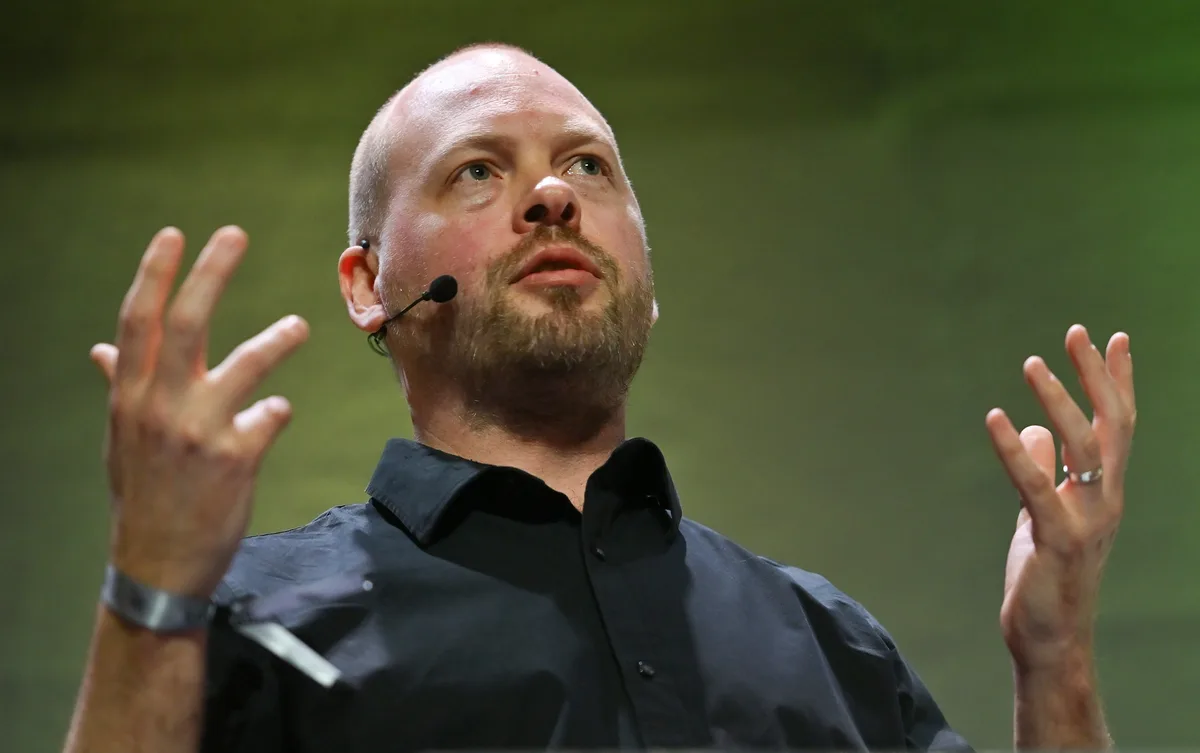
Murmur Intelligence co-founder Kyle Findlay has urged voters to spot fake election messaging that seeks to undermine the IEC ahead of South Africa’s local elections.
Murmur Intelligence co-founder Kyle Findlay has urged South Africans to “take back the agenda” ahead of the local government elections in 2026.
Delivering a talk at Daily Maverick’s annual premier event, The Gathering, in Cape Town on on Friday, 11 September, on detecting fake election messaging, Findlay discussed how political parties can spread certain narratives of South Africa’s local government elections on 4 November.
In the past, South Africa’s media had a reputation for holding those in power to account, but these traditional channels were now being bypassed by unaccountable and non-traditional media, such as YouTubers, podcasters, paid influencers and alternative news media channels that do not subscribe to the South African Press Code, Findlay said.
South Africans’ relationship with equality, identity and authority was being mediated through imported narratives that did not necessarily account for the country’s nuances or, in certain cases, were not topics of concern in South Africa, he explained.
“Topics like migration, xenophobia, Islamophobia, LGBTQ rights, religion in general, ‘white genocide’, which is a term that no one in South Africa uses – it’s only a term that we’ve been fed – served up to us by international political interests,” Findlay said.
Topics such as these were increasingly shaping South Africa’s debates, he said.
Findlay recalled a study by Murmur Intelligence, which maps influence networks, on measuring the rise of Islamophobia in South Africa. The study found that, while narratives spread about Islam on Instagram and Facebook were mainly positive, on X the narratives took a “massive negative swing”, Findlay said. He added that narratives such as these were pushed into South Africa’s domestic conversations through engagement farming.
According to Findlay, engagement farming is linked to South Africa’s “black market influence economy”, where celebrities, brands, politicians and political parties can pay people to get topics trending on social media and, as a result, spread a certain narrative.
“They’re using outrage, they’re wrapping complex topics in simple answers, and they’re turning them into moral crusades,” Findlay said.
He explained that engagement was farmed through context stripping, where interviews were strategically cut and edited to make it appear as if someone had said something that they did not. Engagement farmers relied on flooding the media with consistent content to make people more familiar with a narrative and build trust in it.
Further, scapegoating was used to give South Africans a perceived enemy to fight against, such as blaming “Muslims, Nigerians, Zimbabweans” for complex issues faced in South Africa.
“All a propagandist needs to do is convince someone in a position of power that his base, his constituency, his country believes something, because of the echo chamber they find themselves in.
5News aggregated this summary from the outlet’s public feed. The full article, with all the context, is on www.dailymaverick.co.za — the content belongs to Daily Maverick.