‘BROKEN SYSTEM’: SRD grant battle reaches Supreme Court of Appeal as state challenges historic judgment
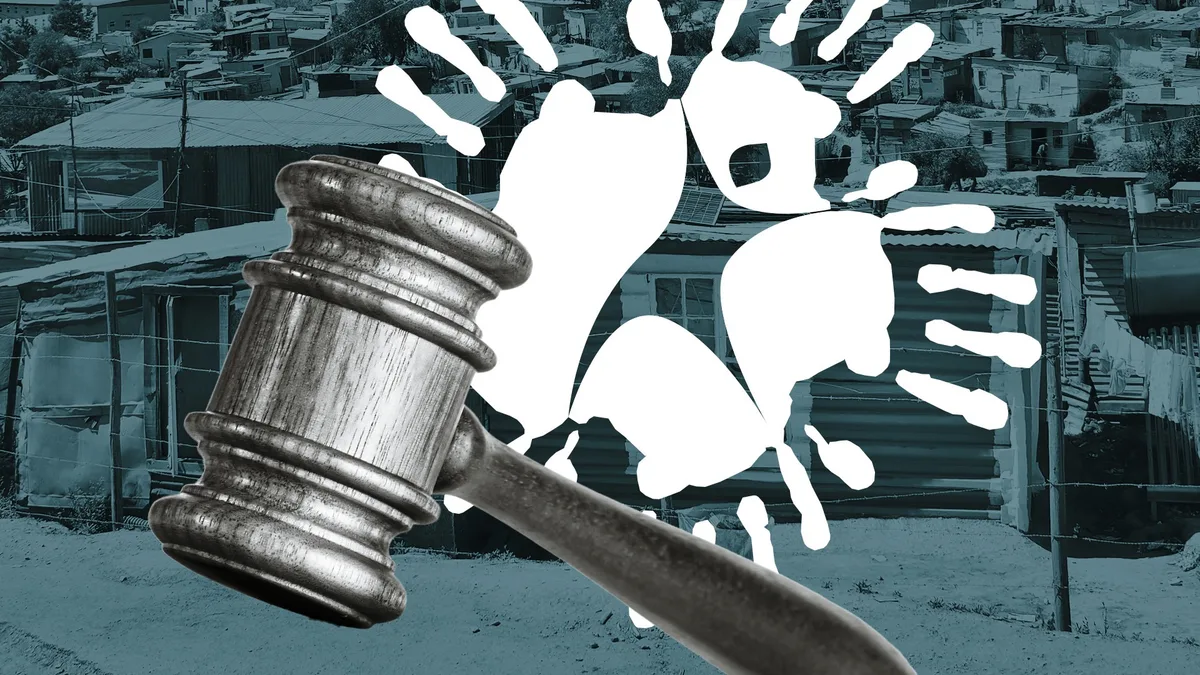
The Institute for Economic Justice (IEJ) and #PayTheGrants, represented by the Socio-Economic Rights Institute, highlighted a ‘broken’ system characterised by a 33% database error rate (wrongful exclusion) and a 99% appeal rejection rate. They argued that these metrics serve as a ‘massive red flag’ indicating systemic failure.
In January last year, the Gauteng Division of the High Court in Pretoria handed down a judgment that found that the Social Relief of Distress (SRD) grant system was unlawfully designed in that it excluded millions of otherwise eligible applicants.
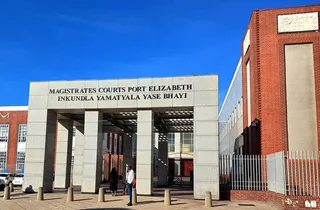
On 25 August 2026, the State appealed against that high court judgment in the Supreme Court of Appeal in Bloemfontein.
In the high court, last year the Institute for Economic Justice (IEJ) and #PayTheGrants, represented by the Socio-Economic Rights Institute (Seri), brought the case against the minister of social development and the South African Social Security Agency.
The high court had found the system of online-only application, flawed bank verification and database checks, restrictive income assessments and an appeals process that repeats the same problematic verification mechanisms, to be unlawful and unconstitutional.
The case also dealt with the adequacy of the SRD grant and the income threshold used to determine eligibility. The food poverty line stands at R855, and the grant remains at R370 a month, while the income threshold stands at R624 a month, despite inflation.
The applicants had argued that if the grant had kept up with inflation since 2020, it would now be over R470. They had further argued that government had a constitutional obligation to progressively improve access to social assistance, rather than allowing both the value of the grant and eligibility thresholds to deteriorate in real terms.
The litigation also challenged the failure to pay many people who have already been approved for the SRD grant. This was as millions of beneficiaries continued to experience delayed or missed payments despite having successfully qualified. Approval without payment, they added, amounted to a denial of the constitutional right to social assistance.
Advocate Gilbert Marcus SC, representing the state and National Treasury in the Supreme Court of Appeal (SCA), laid out the government’s argument on Tuesday.
“The heart of this matter is a fundamental divergence of political, economic and legal theory. On the one hand, there is the laudable desire – which is shared by Treasury – to widen the net of social assistance as much as possible,” the advocate explained.
“The divergence is how to achieve that end and which branch of government can and should do so.
5News aggregated this summary from the outlet’s public feed. The full article, with all the context, is on www.dailymaverick.co.za — the content belongs to Daily Maverick.