Understanding credit and how to make it work for you
Many people look at me with so much judgment when I tell them that I don’t have a car. They always ask why I don’t have one and if I don’t think I’m spending too much money on e-hailing services.
Once you drive a big car, you can never go back to a hatchback − been there, done that and there is a reason I went big. The main reason I can’t buy that car is the cost of living that is showing us flames.
Petrol went up again at midnight. Motorists are feeling the pinch as they are now paying over R26 per litre of petrol and more than R29 for diesel.
Now, say you spend R3,500 on fuel every month. You still have to make a R5,300 repayment to the bank for the car. And then there’s insurance - say you’re paying R1,100. Your total comes to R9,900. Nothing wrong with it if you have that kind of money.
But in this economy, how many of you are able to keep the cars you have? My daily transport budget to get to and from work is R200. I don’t remember the last time I used the full amount to pay for transport.
Those who use e-hailing services know that we get rewards every now and then. Just two weeks ago, I was getting up to 50% off on my rides. The joy of paying R49 for some rides over about 14km. This meant more money going into my emergency savings account.
Data is showing that many people are taking loans just to put food on the table.
DebtBusters’ Q2 2026 Debt Index, released recently, highlights that many of those earning R50,000 and above need 103% of their salaries to service their debt.
There’s a prevalence of personal loans and one-month loan accounts which DebtBusters executive head Benay Sager said “indicates the severe cash-flow pressure consumers are under”.
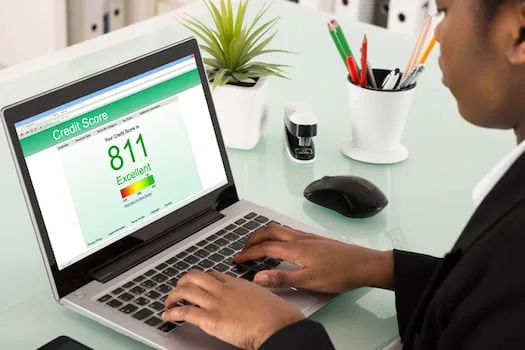
So, if we’re constantly looking for credit, how can we use it intentionally and make it work for us in the end? The reality is: we need credit to get credit. A bank needs to see one’s credit record before they can approve a home loan or any other form of credit being sought.
A recent survey by short-term credit provider Wonga shows that reliance on mashonisas has more than doubled compared to 2025.
“South Africa’s cost-of-living crisis deepens, with rising reliance on credit driving nearly a third of South Africans to borrow from informal lenders, often for household essentials. [The survey] findings show a financially stretched population highly dependent on credit to get through the month, with 41% of respondents using credit every month for essentials like groceries, transport, and electricity.
“Alongside this, around a third of respondents (32%) have borrowed from informal lenders – or Mashonisas – in the last 12 months,” says Wonga spokesperson Tina Manyanya.
“We wanted to find out how South Africans are spending their money and utilising credit, and the findings are grim; most South Africans are unable to have their basic needs met without relying on credit. This creates a dangerous cycle of debt reliance and over-indebtedness, which fosters an environment where people are not empowered to save or plan.
5News aggregated this summary from the outlet’s public feed. The full article, with all the context, is on www.sowetanlive.co.za — the content belongs to Sowetan.