SA’s xenophobia reflects a blindspot that now demands a continental response
South Africa’s persistent xenophobic violence against African immigrants is fuelled by economic grievances and political scapegoating, despite evidence challenging claims that migrants are responsible for jobs, crime and pressure on public services. The violence has now become a wider continental problem requiring stronger political leadership from South Africa and other African governments.
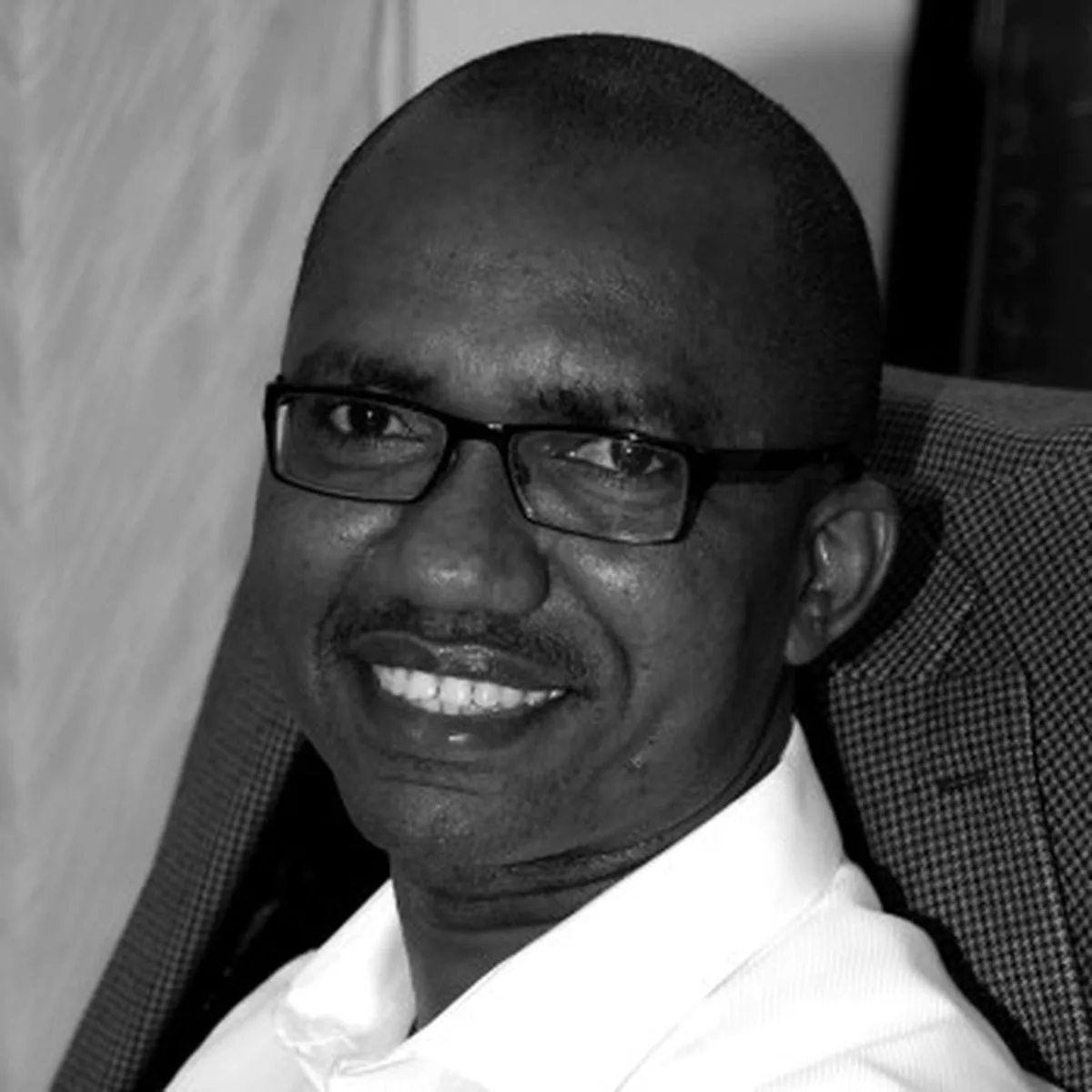
Azu Ishiekwene is editor-in-chief of Leadership and author of the book, Writing for Media and Monetising It.
If South Africa needed any serious signal that the mobs roaming the streets of its cities and townships in search of immigrants were a disgrace, the Fifa World Cup in June 2026 provided a large screen.
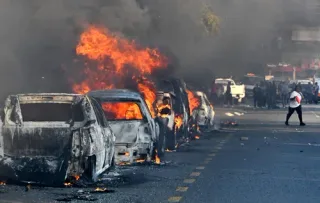
Over the past three years, according to Xenowatch, about 50 people have been killed in xenophobic-related incidents in South Africa. That’s not counting the displaced and wounded or the hundreds forcibly repatriated, and those whose businesses have been destroyed.
Between June 2026 and now, there have been eight verified deaths linked to xenophobic attacks on Africans. Two of them, Bishop Taiwo Michael Fakunle and James Uchechukwu Nwankwo, were Nigerians. The Ghanaian News Agency reported that two Ghanaians were killed between July and August.
What would it take to end this madness, which has set one of Africa’s most promising countries against the rest of the continent?
During the World Cup, Bafana Bafana were the unfortunate target of African fans worldwide who could barely disguise their animosity. The fans wanted Bafana to lose even against less fancied opponents, and would have willed it if they could. A competition that should have united the continent was, in effect, a continuation of war by other means.
It’s not exactly a new thing. Xenophobic outbursts began in 1994, the year Nelson Mandela was sworn in as the country’s first black president in its first multiracial elections.
The attacks were then construed as part of the negative offshoots of the prolonged apartheid rule. The expectation followed that, somehow, they would fizzle out, one way or the other. They have not.
After localised incidents in Alexandra Township in 1994, the first significant blowout happened in 2008. And ever since, xenophobia has acquired a life of its own, with sustained cycles of recurrence until the present.
It must have been the biggest embarrassment that accompanied Nelson Mandela to his grave – this prolonged moral shock that South Africa can no longer stand other Africans in their neighbourhoods. It’s a continental disgrace about which people like Julius Malema of the Economic Freedom Fighters are repeatedly calling out in vain.
It’s unbelievable that almost 15 years after his passing, Mandela’s successors have only responded with half-hearted gestures, often appearing helpless while mobs take the law into their own hands.
I understand the practical challenges that sometimes feed the xenophobic demons.
5News aggregated this summary from the outlet’s public feed. The full article, with all the context, is on www.dailymaverick.co.za — the content belongs to Daily Maverick.