SPRAY TELL: Bread & Wine: The chemical trail through wheat and grapes (Part Five)
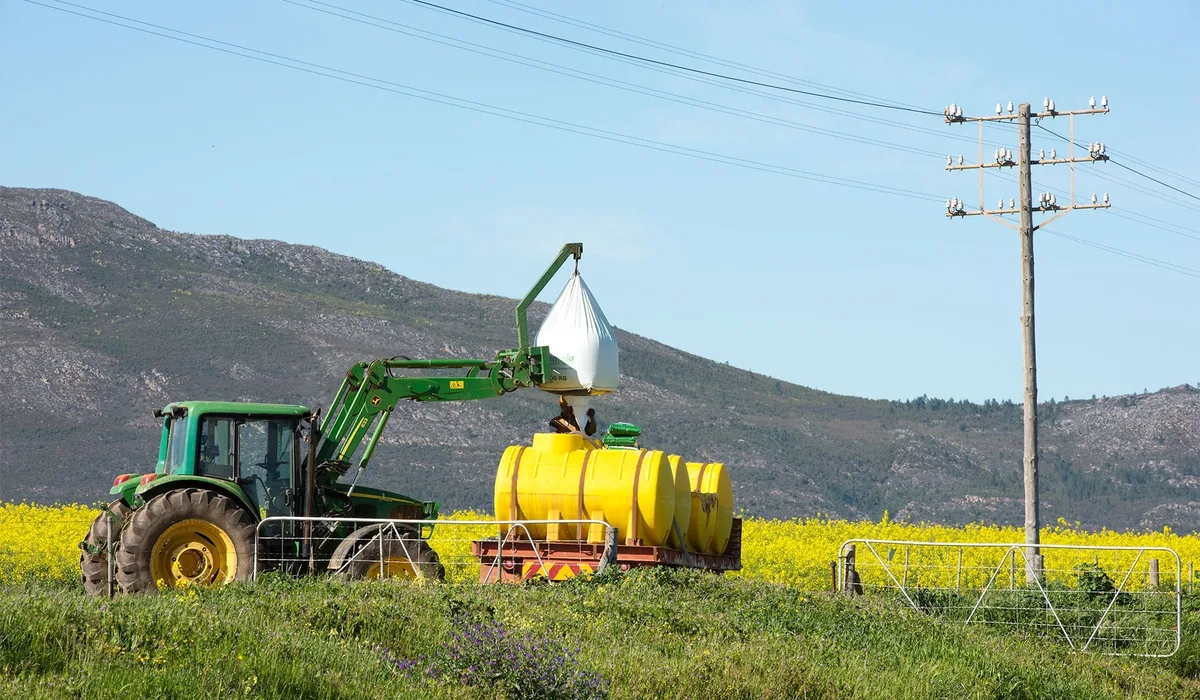
{JSON.stringify(article.attachments[0], null, 2)} --> There’s a price to pay for our love of bread and wine in the chemicals commonly used to grow wheat and grapes. Most of that bill is paid in farm soils, neighbouring veld and rivers downstream. But traces can also travel beyond the farm fence.
This is the fifth in a six-part series. Read Part One , Part Two , Part Three and Part Four .
Plant ecologist Eugene Moll describes the Western Cape as a land capable of forgetting itself . Plough renosterveld for long enough, he says, and its seed bank expires. The wildflowers, bulbs and grasses no longer return by themselves.
Farm chemicals are a less-visible part of that story, but their effects can travel. Sprays can wash into streams, seep into groundwater or drift through the air. At high levels they can threaten the insects and other small creatures that keep rivers alive.
Repeated use may also disturb the microscopic fungi and bacteria that recycle nutrients in soil. The damage is easy to miss because the water may still look clear and the crop may still look green.
Western Cape studies have found dozens of farm chemicals and their breakdown products in agricultural rivers . Most were at low levels, but several crossed the limits scientists use to warn of danger to aquatic life.
That doesn’t make farmers villains. Wheat and grape growers face dry summers, stubborn weeds, fungal disease and crop-eating insects. A bad outbreak can erase a season’s income.
Weedkillers, fungus treatments and insect killers protect the harvest. The challenge is to keep that protection while stopping as much as possible from escaping beyond the crop.
The first of three studies I consulted followed the trail into water. Lou Curchod of the Swiss Tropical and Public Health Institute and colleagues monitored three Western Cape farming areas during the severe 2017-18 drought.
They collected spray records from 38 farms and placed samplers in the Krom, Berg and Hex rivers, gathering traces over two weeks.
The records show that wheat and grapes face different enemies. Around Piketberg, wheat farmers relied mainly on weedkillers (2,4-D, bromoxynil and MCPA). Grape growers used more treatments against mildew and other fungal diseases (penconazole, mancozeb and spiroxamine).
Wine-grape farms were among the heavier users in the survey. These products don’t directly boost growth. They remove the weeds, diseases or insects that compete with the crop.
The river acted like a diary of the farming year. The team found 53 different chemicals and breakdown products. Most stayed below the researchers’ warning lines.
However, four insect killers (imidacloprid, thiacloprid, chlorpyrifos and acetamiprid) and one weedkiller (terbuthylazine) crossed those danger lines at least once.
5News aggregated this summary from the outlet’s public feed. The full article, with all the context, is on www.dailymaverick.co.za — the content belongs to Daily Maverick.