ALMOST INTELLIGENT: The AI-human collision — balancing automation and accountability in the new workplace
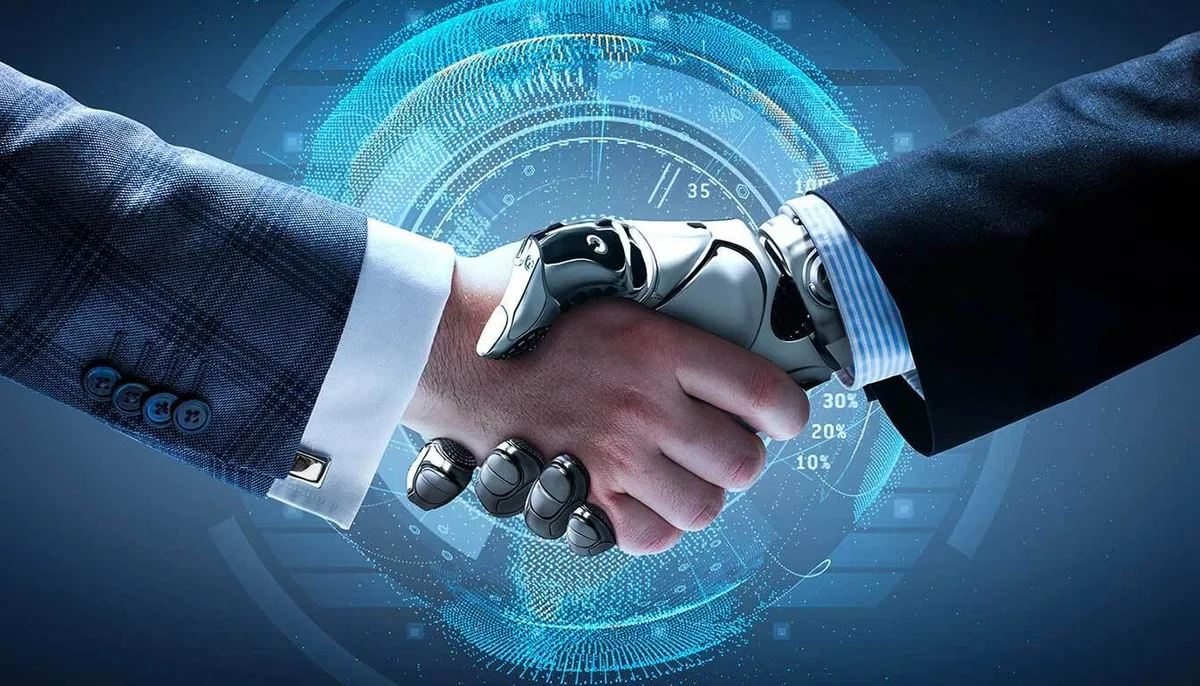
Tech is transforming human resources processes as well as practitioners’ work scope and risks.
Simon Ellis, chief executive of Jem, the fintech provider formerly known as SmartWage, believes that instead of losing the human touch, AI can actually do “quite literally the opposite” and act as a “total enhancer” to relationships in a company.
Ellis admits he initially thought AI would depersonalise everything, but his view shifted to believing that AI can create more meaningful relationships with the people who matter by freeing up human attention and highlighting when people need support.
To its credit, Jem eats what it farms and uses an internal AI assistant itself. This agent scans its communication systems, such as Slack and internal messages, to flag when employees need help or important milestones occur (such as birthdays and anniversaries).
For instance, it successfully flagged that Jem’s chief technology officer had worked three weekends in a row without management’s knowledge, and prompted a supportive mental health check-in.
Rather than replacing human contact, Ellis says, the technology is used to “increase the rate at which a manager can make personalised interventions”. However, he does concede that for this model to work, employees and employers have to be comfortable with there being “a ton of surveillance in that workflow”.
As autonomous systems gain direct access to corporate databases, email accounts and payment systems, the traditional boundary between HR and cybersecurity has dissolved. Anna Collard, head of content strategy and chief information security officer adviser at KnowBe4 Africa, explains this.
“In almost every type of organisation we are now managing a hybrid workforce, and half of that workforce doesn’t have a heartbeat.”
But it’s the scale of this challenge that is highly concentrated: Splunk’s 2026 report on issues concerning information security officers reveals that 96% of them now oversee AI governance and risk across their entire organisations. The Retail and Hospitality Information Sharing and Analysis Center’s report shows 71% of security leaders rank AI as their primary point of friction, overtaking ransomware and phishing.
KnowBe4 Africa data shows 64% of South African organisations report that their AI use is unapproved or ungoverned, and 38% of local security leaders state that AI agents are already taking autonomous action in workflows.
If an employee sets up an AI agent with access to customer data, it represents an HR, security, legal – Protection of Personal Information Act (Popia) – and procurement issue simultaneously. By 2030, security and HR executives must collaborate to enforce machine identity management, AI orchestration literacy and runtime governance (anchored in frameworks like the ISO 42001).
The legal and compliance risk then is still very much on the humans and not on the platforms.
Interestingly, this shift is broadening the entry-level pipeline.
5News aggregated this summary from the outlet’s public feed. The full article, with all the context, is on www.dailymaverick.co.za — the content belongs to Daily Maverick.