RICHARD STEWART | Marikana: A future reimagined through shared responsibility
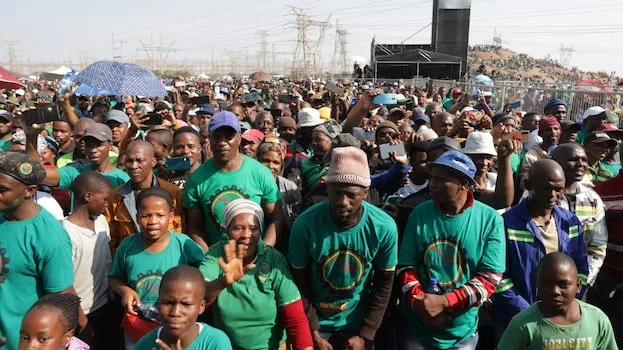
Every August we pause to remember the tragic events of Marikana in 2012 and honour the 44 lives that were lost. The significance of that tragedy can never be diminished, nor should it ever be forgotten.
Yet remembrance, while essential, is only part of the responsibility we carry. Beyond the annual commemoration, for the past seven years the Marikana renewal programme has brought together communities, labour representatives, government, traditional leaders and business to reflect on the past and engage with the future.
It is an ongoing commitment to healing, rebuilding trust and creating a future that is better than the past we inherited. But the lessons of Marikana extend far beyond a single place, company or industry. They speak directly to the broader challenges South Africa continues to face today.
At Sibanye-Stillwater our purpose is simple: creating a better future for people and the planet. Our vision, which ensures we deliver into that purpose, is grounded in the belief that mining can and must create shared value for all stakeholders, including employees, communities, shareholders, governments and future generations. Our success is inseparable from the wellbeing of the people and environments in which we operate.
This belief shapes our approach to stakeholder engagement, which is guided by the principle of letsema or working together towards a common purpose. It rests on three simple but powerful principles: honour, engage and create.
We begin with honour because progress starts with acknowledgement. To honour Marikana is to recognise the pain endured by families and communities, to acknowledge the failures and divisions that contributed to the tragedy, and to accept the lessons it continues to teach us. Honour is not passive remembrance. It is an active commitment to learning, accountability and respect.
The tragedy did not occur in isolation. It emerged from deep social, economic and institutional fractures in our society, many of which remain with us today. All stakeholders must reflect honestly on their role in our shared history. As a mining industry, we must acknowledge that while mining has been a cornerstone of South Africa’s economic development, it has also operated within systems that contributed to inequality, exclusion and hardship.
The tragedy did not occur in isolation. It emerged from deep social, economic and institutional fractures in our society, many of which remain with us today.
Acknowledgement is not about assigning blame. It is about creating the conditions for healing. Without honest acknowledgement, there can be no healing. Without healing, there can be no trust. And without trust, there can be no sustainable future.
The second pillar is engagement. If we are serious about building trust, the critical question is not what we are discussing as stakeholders but how we engage one another.
5News aggregated this summary from the outlet’s public feed. The full article, with all the context, is on www.businesslive.co.za — the content belongs to Business Day.