Market research: Layouts, lighting, music — The science behind your basket
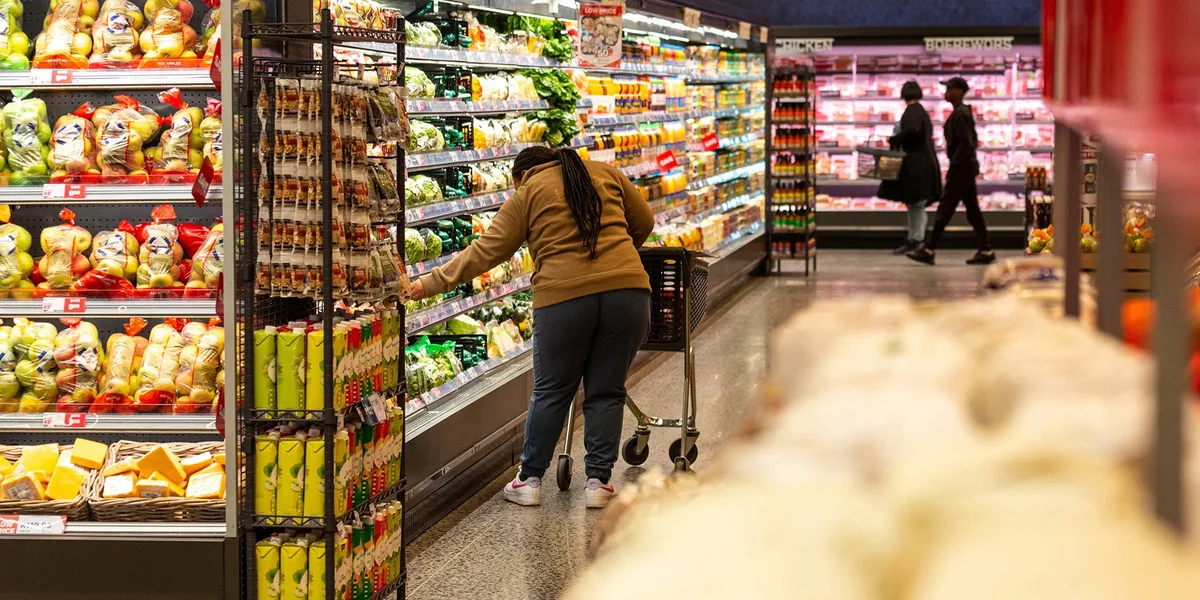
Supermarkets and retailers leave very little to chance in their mission to maximise sales, according to two academics from North-West University, with strategies ranging from the careful placement of products and the use of coloured lighting, to two-for-one specials and child-directed marketing. However, there are tips and tricks for consumers to avoid being influenced.
Influencing consumer behaviour, such as how long they spend in a store, their browsing time and how much they buy, is a science, Roland Goldberg, an expert in consumer behaviour and associate professor at North-West University, tells Daily Maverick. Strategies range from the store layout and lighting to pricing, he says.
Although consumers are not always aware of the messages present in stores, these cues are not always hidden, Goldberg says. It is not by accident that people are “greeted” by flowers at the very front of a store. These flowers are strategically placed to lure the consumer into the store, he explains.
Goldberg adds that a consumer visiting a store for a daily item, such as bread, milk or eggs, will have to venture to the back of the store.
“I call it the ‘bread and milk pilgrimage’ to actually venture through the store to get to those items, because if those items were placed in front of the store, the consumer would come, grab that item, go to the till area and then leave without being exposed to the rest of the store,” Goldberg says.
He explains that research shows that retailers place daily essentials at the back to force consumers to pass by other products that they typically do not intend to buy. After being exposed to a greater array of products, there is a high chance that people will buy additional products.
Goldberg provides an example. Unhealthy foodstuffs such as energy drinks and sweets are usually placed towards the middle of the store, and consumers shopping for milk or eggs may pass the sweets or energy drink aisles and suddenly feel the need for an energy drink or sweets.
Goldberg speculates that supermarkets often use lighting to influence the consumer. He has found that occasionally pinkish or reddish fluorescent light is shone onto the meat in the butchery section. He speculates that is to make the meat look more appealing and/or pink or red in colour.
“The psychological heartbeat of the store comes down to the music ,” says Goldberg.
Slow tempo music slows people down, he says. Retailers specifically choose music with a tempo that is either slower or faster depending on the product to subconsciously match consumers’ walking pace to the specific beat the store is playing.
Goldberg has noticed that supermarkets rarely play high-energy or fast-paced music like rock n roll, disco or club tracks during peak hours.
“You would just grab your milk and then sprint through the aisles and leave because of that beat. Instead, they will play slower, more familiar and relaxed tracks like jazz. That slows your physical pace down, it keeps you wandering and kind of distorts your sense of time, so that you end up spending a few more rands in the store,” Goldberg says.
Promotions also influence customers to buy products.
5News aggregated this summary from the outlet’s public feed. The full article, with all the context, is on www.dailymaverick.co.za — the content belongs to Daily Maverick.