Crime ridden Inanda to discuss crime prevention strategy
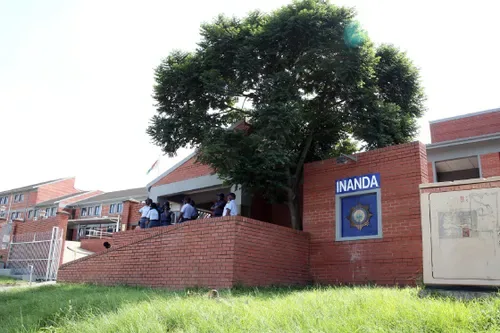
The Inanda community in Durban will be briefed on the six pillars of the Integrated Crime and Violence Prevention Strategy (ICVPS) on Friday, in a bid to reduce crime in the area.
Discussions around the strategy are expected to take place with Smike Thulani Sibuyi, the Director-General of the Civilian Secretariat for Police Service.
Inanda is ranked in the top five in several crime categories in the fourth quarter SAPS crime statisics reported between January 2026 and March 2026.
It ranks 3rd in the top 30 stations for community-reported serious crimes with 1,787. Only Cape Town Central (2,824) and Mitchells Plain (1,861) in the Western Cape are above Inanda.
Inanda is ranked first in the country for contact crime with 1,156 cases.
The suburb is also ranked 2nd for murders (54), first for attempted murder (120), with neighbour Ntzuma recording 76 cases, and first for 104 sexual offence cases and 85 reported rape incidents. Hundreds of robberies and serious assault cases were also reported in that period.
The crime-prevention strategy, approved by the Cabinet, calls upon all members of society and government to work together. Sibuyi said the strategy recognises that crime and violence result from a complex web of social, economic and political factors, such as poverty, inequality and unemployment, among others.
“Through a whole-of-government and whole-of-society approach, the strategy places strong emphasis on mobilising communities, strengthening partnerships, and encouraging active citizen participation in crime prevention efforts,” Sibuyi said.
1: Effective Criminal Justice System calls for the integration of the work of the Justice, Crime Prevention and Security (JCPS) Cluster in dealing with crime from apprehension up to sentencing and rehabilitation.
2: Early intervention to prevent crime and violence ensures that children receive a healthy start from their first 1,000 days. Also in Early Childhood Development, children are protected and taught well, including in schools, communities, playgrounds, and everywhere they go; they should be and should feel safe.
3: Victim support discusses how each role player should advocate for victims, giving them the support and care they deserve, and addressing any barriers they might face. The implementation of the victim’s charter is crucial.
4: Effective and integrated service delivery for safety and the prevention of violence calls for joint planning by the government for service delivery plans and the further integration of the work of civil society and all community structures in ensuring the safety of communities. It is about linking communities with relevant services and resources to receive the help they need to be and feel safe.
5: Crime prevention through environmental design focuses on the design of living spaces and helps to promote safety and prevent crime and violence through, for example, making sure that street lights are functioning, that bushes and long grass are cut, and for the creation of sports and recreation facilities and community meetings.
6: Active public and community participation empowers communities to take ownership of their safety.
5News aggregated this summary from the outlet’s public feed. The full article, with all the context, is on iol.co.za — the content belongs to IOL.