SPENDING AND SAVING: Save a little money each month to avoid getting yet more loans
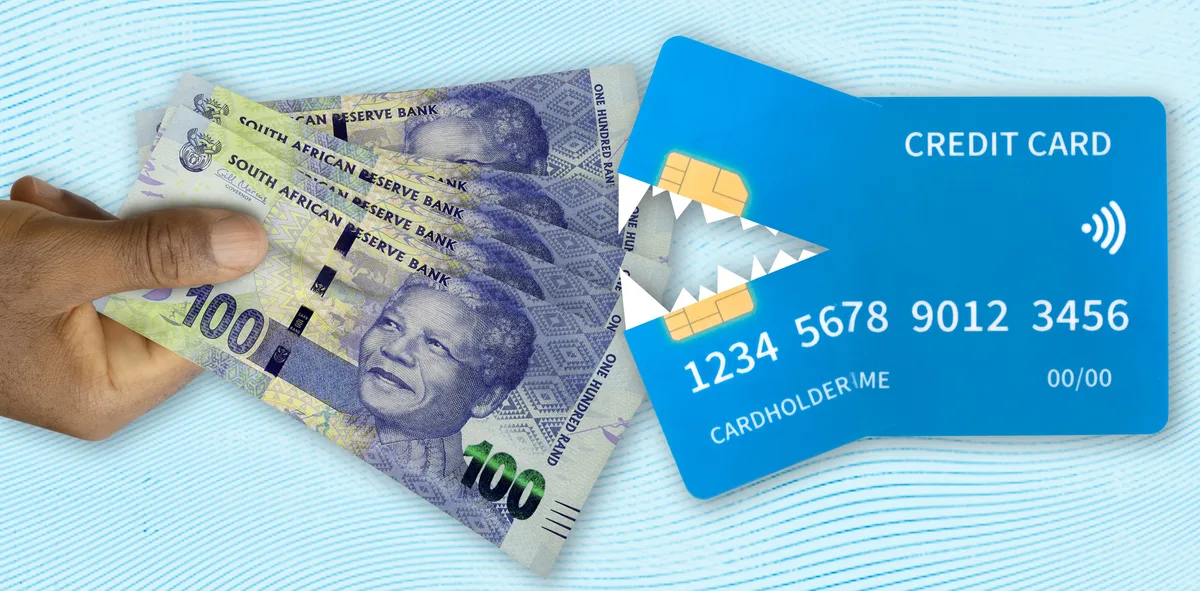
Most working-class South Africans have little, if any, money left to put away for a rainy day, but even just a few hundred rands can go a long way.
National Savings Month has drawn to a close, and for millions of South Africans the familiar advice to save more has become detached from what happens after payday.
The latest PayInc Net Salary Index shows that real take-home pay fell to its lowest level in two years in May. After inflation, average salaries were down about 2.8% from a year earlier. Retail, hospitality and administrative workers were among the hardest hit, and many middle-income households leaned further on credit to make it through the month.
For many households, there is very little left to save. South Africa’s household saving rate stood at -1.4% of disposable income at the end of 2025, meaning households collectively spent more than they earned. Gross national saving was about 13% of GDP, far below the global average of 22%.
DebtBusters’ first-quarter data showed that clients entering debt counselling were using 64% of take-home pay for debt repayments. Of what remained, between 20% and 40% went to groceries, about 20% to accommodation, 10% to 12% to transport and 10% to electricity, water or rates.
“That doesn’t leave a lot for other things,” says DebtBusters chief executive Benay Sagar. “Only people with higher salaries had about 5% or 6% of their salaries left to actually put away as savings for retirement. And for lower incomes, there is basically nothing left.”
Over the five years from early 2021, inflation compounded by about 27%, whereas wages rose by roughly 25%, according to Sagar. For middle-income earners taking home more than R10,000 a month, average salary growth over that period was only about 5%.
Credit has filled the gap. In the first quarter of 2024, 83% of people applying for debt counselling had personal loans. By the first quarter of 2026, this had climbed to 96%. Sagar says personal loans are a useful proxy for credit used to cover food and other basic expenses.
The broader economy is not offering much relief. The PayInc Economic Index fell 0.9% in June after a revised 2% decline in May, reaching its lowest level since November 2025. Higher fuel prices and inflation eroded the real value of transactions even though payment volumes remained strong.
Independent economist Elize Kruger says weaker confidence, fuel costs and interest rates are likely to weigh on activity in the months ahead. Household cash flow may remain under pressure even when headline indicators improve.
Traditional saving advice assumes there is a surplus waiting to be directed, but for many workers, this surplus has disappeared. The more realistic goal may be to build a small buffer before aiming for long-term wealth.
Paymenow’s user data suggests modest, regular deposits can still help. Between the second half of 2025 and the first half of this year, the average amount saved per deposit rose 16%, from R283 to R327. The number of active savers grew by about two-thirds, and the typical saver put away roughly R660 in the first half of this year.
5News aggregated this summary from the outlet’s public feed. The full article, with all the context, is on www.dailymaverick.co.za — the content belongs to Daily Maverick.