The future of SA's big metros is in women's hands
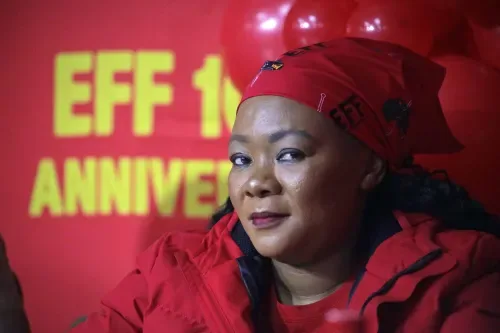
As we celebrate Women’s Day 2026, the writer, Omphile Maotwe, reflects on the legacy of the 1956 march and explores how women are poised to lead South Africa's largest cities. Maotwe is the EFF Tshwane mayoral candidate as well as its Treasurer General and Member of Parliament.
On 9 August 1956, more than 20 000 women marched to the Union Buildings in Tshwane. Lilian Ngoyi, Helen Joseph, Rahima Moosa and Sophia Williams-De Bruyn led them. They did not ask the apartheid government for permission. They organised, they marched and they left a warning that still echoes today: wathint ’ abafazi, wathint’ imbokodo. You strike a woman, you strike a rock.
Standing in the same city on Women’s Day 2026, I was reminded of what that march represented and what it still demands of us. The Economic Freedom Fighters has placed women at the centre of its campaign to govern South Africa’s largest metropolitan municipalities. Dr Tlaleng Mofokeng is the EFF’s candidate for Executive Mayor of Johannesburg. Nthabiseng Tshivhenga is the candidate in Ekurhuleni. In Tshwane, the candidate is also a woman.
If voters give the EFF a mandate, Johannesburg, Ekurhuleni and Tshwane could all be governed by women from the same movement. Three of South Africa’s largest metros, responsible for budgets running into tens of billions of rand, could soon place women at the centre of their executive leadership. This is a clear indication that the EFF has full confidence in women and their ability to govern.
Women currently make up 50% of the EFF’s Officials, more than 50% of its Central Command Team, over 70% of its Parliamentary Caucus and more than 90% of its Whippery. Women are already governing effectively as in Tshwane, MMC of Health Tshegofatso Mashabela has led the opening of 24-hour clinics. In Ekurhuleni, Commissioner Thembi Msane has overseen major water infrastructure projects, including the Northmead Water Tower, the largest in the Southern Hemisphere, which has reduced reliance on water tankers and improved access to drinking water in Thembisa. In Mogale City, Councillor Kholeka Mandyu was recognised at the SALGA Awards for her leadership in supporting initiatives to improve municipal performance.
These are practical achievements, and that is the point. Women’s leadership is measured not by praise but by the responsibility, resources and budgets women are trusted to manage. Women’s Day should therefore be an accounting of both progress and the work that remains.
South African women make up 51.5% of the population, yet remain underrepresented in business, government leadership, politics and sport. The HSRC’s 2022 National GBV Study found that more than 35% of women aged 18 and older had experienced physical or sexual violence in their lifetime, most often at the hands of an intimate partner. The link between gender-based violence and economic freedom is clear. A woman without work or an independent income has fewer options to leave an abusive relationship. Economic independence is therefore central to protecting women from violence.
Tshwane has its own painful reminder of this reality.
5News aggregated this summary from the outlet’s public feed. The full article, with all the context, is on iol.co.za — the content belongs to IOL.