XenoBarometer: Migrant crackdown raises concerns over state’s role in growing anti-immigrant pressure
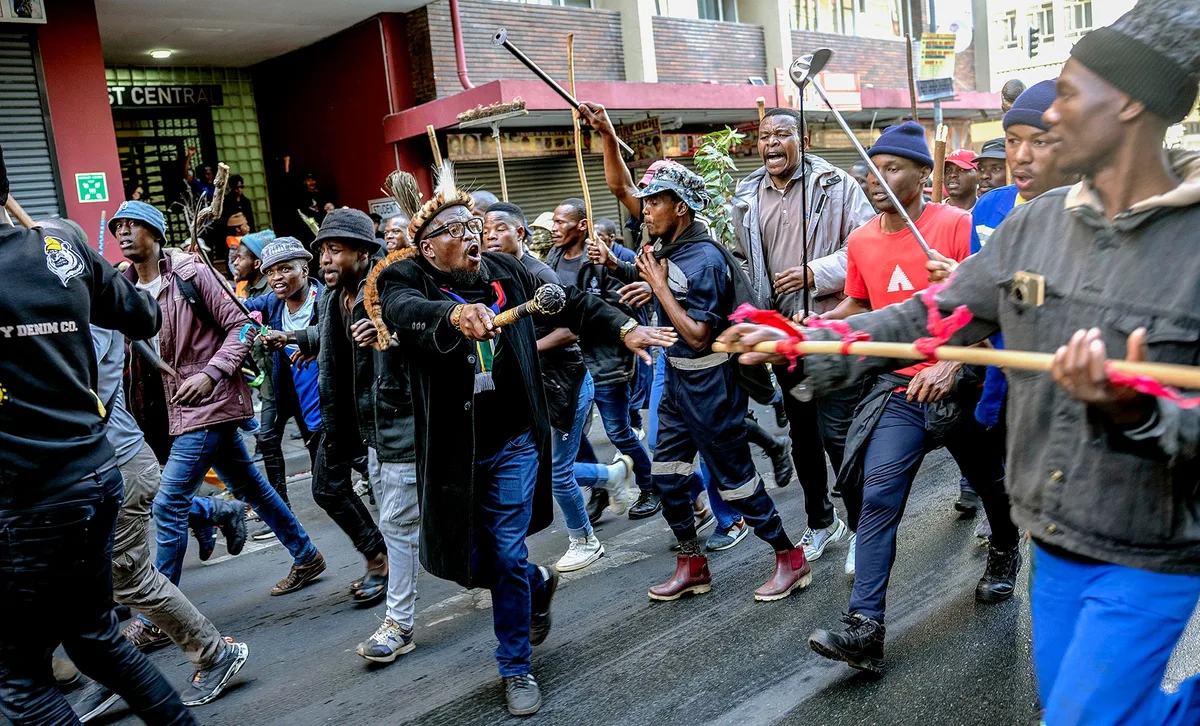
XenoBarometer tracks the anti-immigrant movement and its impact. We aim to surface underreported stories, paying close attention to potential rights abuses, emerging patterns in anti-immigrant mobilisation and failures in the government’s response.
In the weeks since March and March announced a 30 June deadline for undocumented migrants to leave South Africa, tens of thousands of foreign nationals have self-deported from the country. By early September, 129,000 Zimbabweans had voluntarily repatriated, according to Chronicle, a state-owned newspaper. By early August, Malawian news media reported that more than 56,000 migrants had returned to that country.
Around the same time, the South African Police Service (SAPS) reported to Parliament that it had arrested, detained and, in some cases, deported thousands of others. Still, many foreign nationals – documented and undocumented – have opted to stay and weather an increasingly insecure future in South Africa.
XenoBarometer is a new reporting project that will be published weekly. It seeks to track the anti-immigrant movement, and its impact on politics and migrant communities in the country.
For this first edition, Viewfinder spoke to 13 activists and community leaders representing some of those who have remained. We asked them all the same question: How has life changed for you and your community since 30 June?
Their responses were wide ranging. But almost all of them reported a growing sense of insecurity and fear, coupled with shrinking access to services and opportunities to make a living.
In Johannesburg, Claude Kayitare, of the Southern Africa Network for Immigrants and Refugees, said that immigrants were still being stopped on the streets of Marshalltown, Johannesburg, and asked for documents from citizens who associated with the anti-immigrant movement. Sometimes, vigilantes were also extorting these immigrants for money, he said.
In Durban, Gaby Bikombo, of the organisation Refugee Social Services, said documented immigrants driven from informal trading sites remained unable to return to work. Bikombo said immigrants were still being refused access to public healthcare facilities, which had been the case since June last year.
Olorunfemi Adeleke, of the Nigerian community in Tshwane, said many migrants were keeping a low profile because they feared attracting the attention of authorities.
Crispin Kassarombo, of Voice of Africans for Change in Bellville, said many had lost jobs and businesses, leaving some struggling to afford rent and basic living costs.
Perhaps the most striking feature of these interviews, however, were accounts of government departments taking actions that appeared to align with, and in some cases advance, the anti-immigrant movement’s agenda. Three cases in particular stood out.
Asylum seekers who decide to voluntarily repatriate to their countries of origin cannot simply exit across South Africa’s land borders.
5News aggregated this summary from the outlet’s public feed. The full article, with all the context, is on www.dailymaverick.co.za — the content belongs to Daily Maverick.