China is rewriting the rules of open-source software
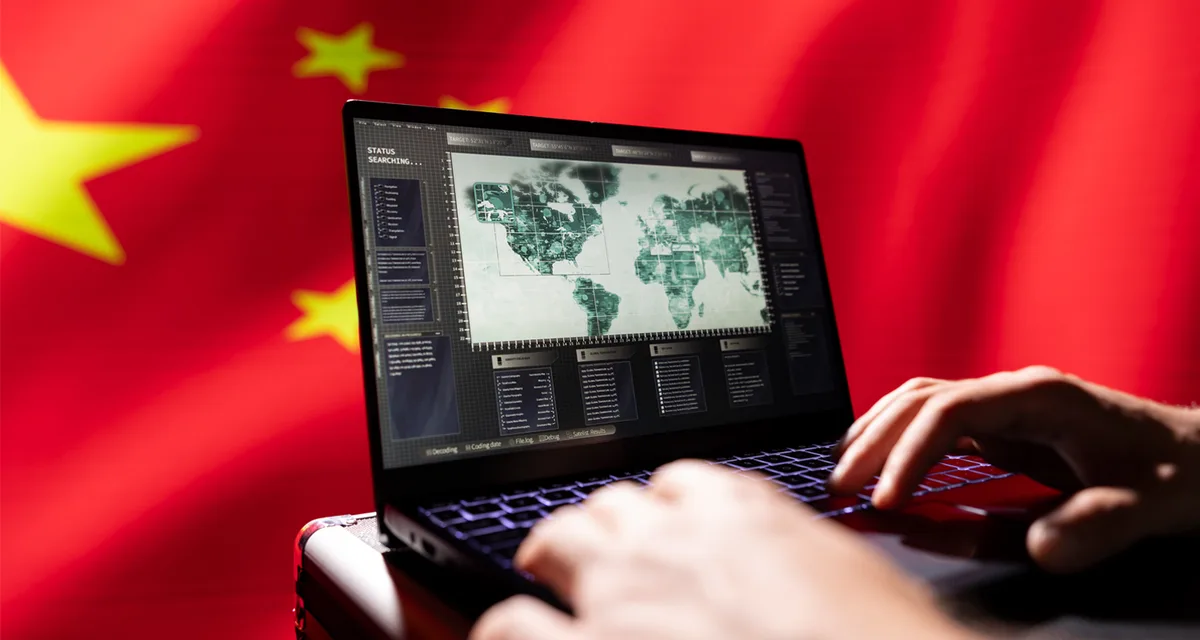
As you read this article on your computer or smartphone, you are almost certainly using open-source technology in some way. It forms the foundation of the global digital economy, from operating systems and web servers to databases and encryption protocols.
While the US and Europe have led the development of open-source technology, China is championing its own alternatives. The Chinese government has made open-source development part of its national technology strategy . Chinese companies and institutions have been active in redefining how open-source technology is being developed , licensed and deployed .
China’s open-source strategy could influence products and services used by people around the world, particularly as AI becomes an everyday technology.
The success of China’s efforts may depend on building global trust, however. Chinese companies, backed by the government, have long been known to acquire advanced technology through intellectual property theft and by applying pressure in joint ventures and licensing agreements .
Open-source technology is increasingly becoming an arena of strategic competition between countries. As a China expert and open-source researcher , I believe the countries that lead the technical and legal standards governing open-source technology will gain a competitive edge for decades to come.
The open-source movement has taken various forms, from collaborations aimed at bypassing corporate monopolies to business strategies for developing products quickly. Open-source software has allowed developers around the world to reuse and improve on shared code.
Linux , the core software powering Android phones and most of the internet, is an open-source technology. Risc-V , an emerging alternative to Intel and ARM chip designs, and next-generation mobile network interfaces are also open source.
Early Chinese engagements with open source aimed to develop technologies that were free from foreign control. A government-run software institute developed Red Flag Linux as an alternative to Microsoft’s Windows operating system, which the government saw as costly to maintain and vulnerable to foreign intelligence gathering. A Chinese military university later created Kylin , an operating system for the People’s Liberation Army and other government organisations.
In recent years, Chinese tech companies have embraced open-source technology as a way around sanctions and export controls. After the US government blacklisted the telecoms giant Huawei for its ties to the Chinese military, Google revoked the company’s access to licensed services and apps. But Huawei used Android’s open-source code to maintain its smartphone operating system. Eventually, Huawei developed an alternative called HarmonyOS Next and released its own open-source version as OpenHarmony .
Today, Chinese leader Xi Jinping is stressing the importance of science and technology independence and self-strengthening , known as keji zili ziqiang.
5News aggregated this summary from the outlet’s public feed. The full article, with all the context, is on techcentral.co.za — the content belongs to TechCentral.