The first wave of generic weight-loss drugs hit SA in August. Will it be enough to kill the black market?
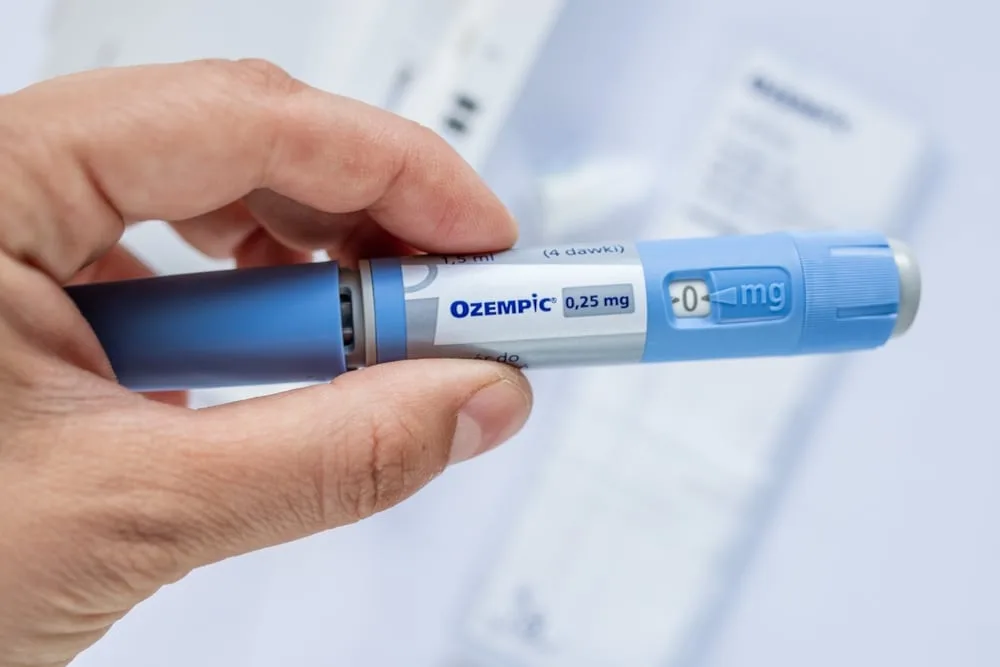
It was a carnivorous lizard with a forked tongue, sharp claws and beady skin that helped rewire the appetite of millions of people around the world, making hunger something you can switch off with a few clicks and a jab.
In the 1990s, an American scientist by the name of John Eng identified a molecule in the venom of the Gila monster , which spends most of its life underground in North American deserts. The reptile has an interesting approach to food. It emerges from the darkness just a handful of times each year to feast, and is able to maintain its blood sugar for these long stretches between meals.
The molecule Eng found in the reptile acts a bit like the naturally occurring human hormone, glucagon-like peptide-1 , or GLP-1. It’s what slows digestion, makes us feel full and steadies our blood sugar, keeping our energy steady. Eng thought it might somehow help people with diabetes.
What Eng unlocked paved the way for the blockbuster drug Ozempic, which launched in 2017 in the United States as treatment for diabetes, but was soon used off-label as a weight-loss drug, to an insatiable public.
Financial services firms like Morgan Stanley expect the GLP-1 market to reach $190bn (around R3.1-trillion) by 2035, more than double what it was worth in 2025.
GLP-1s have become shorthand for brand names like Ozempic, Wegovy, Mounjaro, Zepbound, Trulicity and a slew of others, with more coming as fast as pharmaceutical companies can get them into pens that deliver them in once-a-week jabs and, more recently, in tablet form. But they don’t come cheap.
At between about R3,000 to R10,000 a month , Bhekisisa’s TV programme, Health Beat , reported in July, depending on the type and amount of medication a patient needs, even those pulling down R1m annual salaries struggle to pay for it.
In March, patents on semaglutide , the ingredient that makes Ozempic and Wegovy work, expired in several countries, opening up the generics market to millions. Earlier this month, Sun Pharma launched the first generic semaglutide injection for type 2 diabetes in South Africa via its local subsidiary, Ranbaxy. And the South African Health Products Regulatory Authority (Sahpra) says they are now looking at 13 more applications from companies ready to sell generics here.
The question is, will generics bring down the price low enough to take down an illegal market that has grown up in the price gap and get the medication to the people who need them the most?
A former professional athlete who spoke with Health Beat under the condition of anonymity, said she bought into the GLP-1 black market trade in 2023 after gaining 30 kilograms and becoming pre-diabetic following a trauma that had her on antidepressants, a common side effect of which is weight gain.
The 38-year-old tried everything she could to take off the extra kilos — eating healthy, limiting her food intake, exercising and drinking all kinds of protein shakes in an attempt to stave off hunger. Despite all of that, she says, her weight wouldn’t budge.
Ozempic had arrived on the South African market by then, and her doctor gave her a script. But when she went to the pharmacy to pick it up, they were out.
5News aggregated this summary from the outlet’s public feed. The full article, with all the context, is on www.timeslive.co.za — the content belongs to TimesLIVE News.